 175 citations
,
April 1982 in “Journal of The American Academy of Dermatology”
175 citations
,
April 1982 in “Journal of The American Academy of Dermatology” Isotretinoin is highly effective in treating severe acne, rosacea, and gram-negative folliculitis.
 172 citations
,
December 2004 in “Journal of The American Academy of Dermatology”
172 citations
,
December 2004 in “Journal of The American Academy of Dermatology” Demodicosis is common and often missed, needing more recognition and treatment in skin care.
 155 citations
,
September 2008 in “British journal of dermatology/British journal of dermatology, Supplement”
155 citations
,
September 2008 in “British journal of dermatology/British journal of dermatology, Supplement” FFA is more common in postmenopausal women, can affect younger women, and may stabilize over time.
 116 citations
,
December 2017 in “International Journal of Women's Dermatology”
116 citations
,
December 2017 in “International Journal of Women's Dermatology” Adult female acne treatment should be personalized, considering individual preferences and pregnancy, using various topical and oral medications while managing side effects and resistance.
 111 citations
,
November 2007 in “Clinics in Dermatology”
111 citations
,
November 2007 in “Clinics in Dermatology” Psoriasis skin changes are complex and might need several biopsies for a clear diagnosis.
 97 citations
,
May 2008 in “Journal of Cutaneous Pathology”
97 citations
,
May 2008 in “Journal of Cutaneous Pathology” Different soft tissue fillers can cause various skin reactions; biodegradable fillers are safer and non-biodegradable ones like silicone can lead to long-term problems.
 94 citations
,
September 2008 in “Journal of the American Academy of Dermatology”
94 citations
,
September 2008 in “Journal of the American Academy of Dermatology” Traction alopecia is more common in African women than girls, especially when traction is applied to chemically relaxed hair; avoiding such hairstyles may reduce the risk.
 90 citations
,
July 2008 in “Dermatologic therapy”
90 citations
,
July 2008 in “Dermatologic therapy” Lichen planopilaris is a chronic, scarring hair loss condition with no definitive cure, requiring accurate diagnosis and treatment to manage symptoms.
 76 citations
,
June 2008 in “Journal of the American Academy of Dermatology”
76 citations
,
June 2008 in “Journal of the American Academy of Dermatology” The conclusion is that certain scalp tissue changes are characteristic of lichen planopilaris, with mucinous perifollicular fibroplasia being a new feature for diagnosis.
 64 citations
,
January 2004 in “American journal of clinical dermatology”
64 citations
,
January 2004 in “American journal of clinical dermatology” Folliculitis is an inflammation of hair follicles that requires proper diagnosis and treatment based on the specific cause.
 56 citations
,
October 1983 in “Archives of Dermatology”
56 citations
,
October 1983 in “Archives of Dermatology” Some women with acne have higher levels of free testosterone, which might suggest using hormonal treatments for acne.
 54 citations
,
January 1983 in “Archives of Dermatology”
54 citations
,
January 1983 in “Archives of Dermatology” KFSD is a rare condition causing scarring hair loss, with no effective treatment known at the time of the report.
 52 citations
,
October 2016 in “Clinics in Dermatology”
52 citations
,
October 2016 in “Clinics in Dermatology” Some medications can cause acne, and stopping these drugs is the main treatment.
 51 citations
,
July 2010 in “Trends in Endocrinology and Metabolism”
51 citations
,
July 2010 in “Trends in Endocrinology and Metabolism” Prolactin may play a significant role in skin and hair health and could be a target for treating skin and hair disorders.
 49 citations
,
January 2003 in “Clinical and Experimental Dermatology”
49 citations
,
January 2003 in “Clinical and Experimental Dermatology” The document concludes that post-menopausal frontal fibrosing alopecia is a poorly understood condition that does not respond well to common treatments.
 47 citations
,
January 2015 in “Dermatology”
47 citations
,
January 2015 in “Dermatology” The best way to treat acne is to prevent healthy skin glands from turning into acne lesions by controlling the triggers early on.
 46 citations
,
January 2015 in “Journal of The American Academy of Dermatology”
46 citations
,
January 2015 in “Journal of The American Academy of Dermatology” Trichoscopy helps diagnose and assess the severity of Frontal Fibrosing Alopecia.
 46 citations
,
January 2015 in “Pediatric Rheumatology”
46 citations
,
January 2015 in “Pediatric Rheumatology” Skin symptoms are important for diagnosing and managing juvenile-onset systemic lupus erythematosus and usually get better with treatment.
 42 citations
,
September 2018 in “Journal der Deutschen Dermatologischen Gesellschaft”
42 citations
,
September 2018 in “Journal der Deutschen Dermatologischen Gesellschaft” Adult female acne requires a comprehensive treatment approach, including medical options and lifestyle changes, with attention to psychological well-being.
 42 citations
,
October 2009 in “The journal of investigative dermatology/Journal of investigative dermatology”
42 citations
,
October 2009 in “The journal of investigative dermatology/Journal of investigative dermatology” Mutations in the KRT85 gene cause hair and nail problems.
 41 citations
,
July 2017 in “Journal of The American Academy of Dermatology”
41 citations
,
July 2017 in “Journal of The American Academy of Dermatology” Men with Frontal fibrosing alopecia typically lose hair on the front scalp and sometimes on sideburns and upper lip, with treatments showing varied success.
 40 citations
,
January 2013 in “International journal of trichology”
40 citations
,
January 2013 in “International journal of trichology” Perifollicular erythema can indicate active frontal fibrosing alopecia.
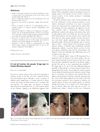 39 citations
,
July 2015 in “British Journal of Dermatology”
39 citations
,
July 2015 in “British Journal of Dermatology” The pseudo 'fringe sign' can also appear in frontal fibrosing alopecia, not just in traction alopecia, showing that this condition may be more common than thought.
 39 citations
,
May 2004 in “Clinics in Dermatology”
39 citations
,
May 2004 in “Clinics in Dermatology” The document concludes that treatment for cutaneous T-cell lymphoma should be customized to each patient's disease stage, balancing benefits and side effects, with no cure but many patients living long lives.
 38 citations
,
November 2012 in “Expert Opinion on Drug Safety”
38 citations
,
November 2012 in “Expert Opinion on Drug Safety” Common acne treatments can cause various side effects, like skin irritation and more serious issues, but combination therapies are often more effective and better tolerated.
 37 citations
,
May 2016 in “Deutsches Arzteblatt International”
37 citations
,
May 2016 in “Deutsches Arzteblatt International” Hair loss requires customized treatments based on its various causes and types.
 37 citations
,
May 2016 in “JAAD case reports”
37 citations
,
May 2016 in “JAAD case reports” Oral minoxidil shows promise in treating monilethrix-related hair loss.
 37 citations
,
October 2015 in “Anais Brasileiros de Dermatologia”
37 citations
,
October 2015 in “Anais Brasileiros de Dermatologia” Lichen planopilaris mostly affects women with fair skin and can look different on each person, needing early treatment to prevent hair loss.
 37 citations
,
January 2013 in “Postepy Dermatologii I Alergologii”
37 citations
,
January 2013 in “Postepy Dermatologii I Alergologii” Isotretinoin effectively reduces acne but causes dry skin, higher skin pH, more redness, and hair loss.
 37 citations
,
May 1999 in “Australasian Journal of Dermatology”
37 citations
,
May 1999 in “Australasian Journal of Dermatology” Early diagnosis and treatment are crucial for preventing permanent hair loss in various scalp conditions, and while new treatments are promising, more research is needed to evaluate their effectiveness.