 April 2023 in “Journal of Investigative Dermatology”
 People with all types of psoriasis are more likely to have autoimmune diseases than those without psoriasis.
35 citations
,
October 2021 in “Journal of the European Academy of Dermatology and Venereology” COVID-19 vaccination may trigger recurrence of cutaneous T-cell lymphoma in some patients.
19 citations
,
July 2004 in “Clinical and experimental dermatology” Acneiform follicular mucinosis can be controlled with systemic corticosteroids.
PNH can occur in patients with SLE, so doctors should be aware of this.
 February 2025 in “Physician s Journal of Medicine”
 Recognizing skin symptoms can help diagnose and manage COVID-19.
 12 citations
,
November 2014 in “Journal of Cutaneous Medicine and Surgery”
12 citations
,
November 2014 in “Journal of Cutaneous Medicine and Surgery” Antiviral medication valganciclovir may improve skin and hair in Trichodysplasia Spinulosa patients.
49 citations
,
July 1994 in “British journal of dermatology/British journal of dermatology, Supplement” Some children with methylmalonic and propionic acidaemias have skin problems related to their condition and diet.
29 citations
,
March 2023 in “The Journal of Dermatology” Dupilumab for atopic dermatitis can cause mild skin issues in some patients.
November 2017 in “Arthritis Care & Research” July 2024 in “Journal of Investigative Dermatology”  2 citations
,
August 2012 in “Journal of the American Academy of Dermatology”
2 citations
,
August 2012 in “Journal of the American Academy of Dermatology” Two patients with the same genetic mutation had both blistering skin and easily pulled out hair.
5 citations
,
April 2016 in “PubMed” Cetuximab often causes skin problems, but they can be managed without stopping treatment.
April 2018 in “Veterinary Pathology” Tigers had a skin condition causing hair loss and inflammation, but the cause is unknown and treatment didn't work.
April 2021 in “Authorea (Authorea)” A 20-year-old woman had stable Progressive Hemifacial Atrophy and Vitiligo after treatment, suggesting a possible link between the conditions.
 January 2007 in “Journal of The American Academy of Dermatology”
 Post-steroid panniculitis is now rare because doctors taper steroids more carefully.
9 citations
,
August 2014 in “Lupus” Early diagnosis and quick treatment are crucial for severe lupus cases.
51 citations
,
January 1997 in “PubMed” GABEB is a less severe skin condition caused by a gene mutation affecting collagen, leading to blisters and other symptoms.
 October 2020 in “Our Dermatology Online”
 Chronic bacterial infections of hair follicles can cause ongoing skin inflammation.
 62 citations
,
January 2010 in “Hormone research in paediatrics”
62 citations
,
January 2010 in “Hormone research in paediatrics” Genetic screening is crucial for accurately diagnosing APS-1 due to its varied symptoms.
 November 2016 in “Journal of The American Academy of Dermatology”
 Control symptoms and use safe treatments for skin conditions like lichen planopilaris and chronic cutaneous lupus erythematosus.
22 citations
,
March 2017 in “Transplant Infectious Disease” Leflunomide successfully treated a rare skin condition in a liver transplant patient.
January 2026 in “Clinical Journal for Nurse Practitioners in Women s Health” Pregnancy can cause skin changes, some harmless and others risky, needing careful management.
9 citations
,
October 2015 in “Cutaneous and ocular toxicology” Vemurafenib can cause scalp issues but can be managed without changing the dose.
 1 citations
,
February 2009 in “Clinical and Experimental Dermatology”
1 citations
,
February 2009 in “Clinical and Experimental Dermatology” Hormone-replacement therapy improved a woman's skin condition known as lymphomatoid papulosis.
 May 2002 in “British Journal of Dermatology”
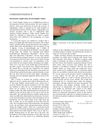
 A pregnant woman's skin condition improved after giving birth, possibly due to high estrogen levels during pregnancy.
January 2006 in “International water power & dam construction” Nevus comedonicus can appear later in life and affect both eyelids.
 3 citations
,
April 2015 in “Cleveland Clinic Journal of Medicine”
3 citations
,
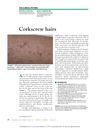
April 2015 in “Cleveland Clinic Journal of Medicine” The woman has scurvy and needs more vitamin C.
 8 citations
,
August 2021 in “Lupus Science & Medicine”
8 citations
,
August 2021 in “Lupus Science & Medicine” Patients with cutaneous lupus are most concerned about self-consciousness, physical symptoms, and disease progression.
186 citations
,
October 1957 in “A M A Archives of Dermatology” Alopecia mucinosa is a challenging condition with unclear diagnosis and treatment.
 July 2004 in “British Journal of Dermatology”
 The document concludes that accurate diagnosis and treatment are crucial in dermatology, and it presents various findings on skin conditions and treatments.