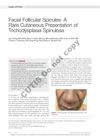
Trichodysplasia spinulosa can occur after a heart transplant due to immunosuppressive drugs.
35 citations
,
May 2006 in “Journal of Investigative Dermatology” Monilethrix involves multiple genes affecting hair structure, including DSG4 mutations.
97 citations
,
March 2006 in “Journal of Investigative Dermatology” Mutations in the DSG4 gene cause a severe form of brittle hair and skin issues.
 11 citations
,
May 2011 in “World Journal of Pediatrics”
11 citations
,
May 2011 in “World Journal of Pediatrics” The document emphasizes the importance of correctly identifying and classifying genetic hair disorders to help diagnose related health conditions.
 18 citations
,
June 2017 in “Journal of The American Academy of Dermatology”
18 citations
,
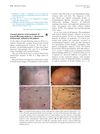
June 2017 in “Journal of The American Academy of Dermatology” Trichoscopy helps diagnose frontal fibrosing alopecia, even with unusual patterns.
 2 citations
,
January 2023 in “Journal of Education, Health and Sport”
2 citations
,
January 2023 in “Journal of Education, Health and Sport” Cognitive-behavioral therapy with habit reversal training is the most effective treatment for trichotillomania.
 August 2024 in “Dermatology and Therapy”
 Vorasidenib can cause unusual hair growth.
 14 citations
,
January 2006 in “Australasian journal of dermatology”
14 citations
,
January 2006 in “Australasian journal of dermatology” Alopecia areata can look like frontal fibrosing alopecia, making diagnosis hard.
 5 citations
,
October 2018 in “Dermatologic therapy”
5 citations
,
October 2018 in “Dermatologic therapy” Recognizing congenital triangular alopecia is crucial to avoid unnecessary treatments.
4 citations
,
January 2013 in “International Journal of Trichology” Monilethrix has no effective treatment, but avoiding hair trauma helps manage it.
 1 citations
,
January 2002 in “Dermatology + psychosomatics”
1 citations
,
January 2002 in “Dermatology + psychosomatics” Most people worried about abnormal hair loss actually have psychological issues like depression or anxiety.
96 citations
,
February 2002 in “Journal of the American Academy of Dermatology” Pseudofolliculitis barbae is a chronic skin condition affecting mainly African American and Hispanic individuals, caused by shaving tightly curled hair, and managed by prevention and treatment but not curable.
Hair dysplasias involve various hair disorders causing fragility, breakage, and poor hair adhesion.
 July 2022 in “The journal of investigative dermatology/Journal of investigative dermatology”
 The early genes of a specific virus can cause abnormal skin cell growth and hair follicle changes.
 1 citations
,
February 2004 in “Journal of The European Academy of Dermatology and Venereology”
1 citations
,
February 2004 in “Journal of The European Academy of Dermatology and Venereology” Hair loss improved with treatment and successful transplant.
December 2020 in “Dermatology practical & conceptual” Trichoscopy helped diagnose a teenage girl's hair loss as monilethrix.
 April 2021 in “Annales de Dermatologie et de Vénéréologie - FMC”
 Biphasic alopecia often leads to permanent hair loss and its progression varies widely among individuals.
28 citations
,
May 1998 in “Journal of the American Academy of Dermatology” Scalp inflammation can cause multiple hairs to grow from one follicle.
April 2018 in “Blackwell's Five‐Minute Veterinary Consult Clinical Companion” The document concludes that skin and hair changes in small animals are often due to hormonal imbalances and recommends regular baths and antibiotics for associated infections.
 2 citations
,
February 2018 in “Journal of dermatology & cosmetology”
2 citations
,
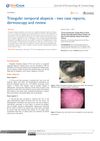
February 2018 in “Journal of dermatology & cosmetology” Triangular temporal alopecia is a benign hair loss pattern best diagnosed with dermoscopy, with limited treatment options like surgery and hair transplantation.
2 citations
,
September 1997 in “Archives of Dermatology” 3 citations
,
February 2013 in “Actas dermo-sifiliográficas/Actas dermo-sifiliográficas” A 6-year-old boy developed excessive hair growth after taking diazoxide for low blood sugar.
175 citations
,
December 1980 in “Archives of Dermatology” Trichothiodystrophy is a condition with brittle hair and various physical and mental issues due to low sulfur in proteins.
6 citations
,
March 2017 in “Journal of the European Academy of Dermatology and Venereology” Identical twins with a rare KRT 86 gene mutation both have the hair disorder monilethrix.
 21 citations
,
April 2019 in “Clinical, cosmetic and investigational dermatology”
21 citations
,
April 2019 in “Clinical, cosmetic and investigational dermatology” The document concludes that stopping shaving or removing affected hair can alleviate Pseudofolliculitis barbae (PFB).

The text is about acne, excessive hair growth, and hair loss due to hormones.
September 2024 in “Indian Journal of Dermatology Venereology and Leprology”  March 2012 in “Journal of The American Academy of Dermatology”
 Temporal triangular alopecia usually starts in early childhood and treatment with Minoxidil has limited effectiveness.
 12 citations
,
May 2005 in “Current obstetrics and gynaecology/Current obstetrics & gynaecology”
12 citations
,
May 2005 in “Current obstetrics and gynaecology/Current obstetrics & gynaecology” Hirsutism is too much hair growth in women like the pattern in men, often caused by high male hormones, and can be treated with hormone control and hair removal methods.
 July 2022 in “Research Square (Research Square)”
 A young woman developed a bowel obstruction from eating hair extensions, highlighting the need for cultural awareness and research on these behaviors in the Black community.