1 citations
,
December 2024 in “Journal of Orthopaedic Research®” Aromoline and DRD4 are potential targets for osteoarthritis treatment.
 2 citations
,
January 2001 in “Biomedical Research”
2 citations
,
January 2001 in “Biomedical Research” Trichohyalin and peptidylarginine deiminase type III are found together in rat hair follicles, with trichohyalin being modified after expression.
12 citations
,
January 2023 in “AAPS PharmSciTech” 6 citations
,
May 2022 in “Pharmaceutics” Zinc pyrithione dissolves quickly on the skin and in hair follicles, especially in smaller particles.

Periplaneta americana extract promotes hair growth and is safe for treating hair loss.
37 citations
,
January 1986 in “Carcinogenesis” ODC expression in mouse skin and tumors is varied and can be inhibited by retinoic acid or cycloheximide.
6 citations
,
January 2024 in “Frontiers in Bioengineering and Biotechnology” The new wound dressing speeds up healing of infected wounds safely and effectively.
January 2025 in “European Journal of Pharmacology” Forsythoside A may help treat hair loss by blocking specific channels.
 5 citations
,
December 2018 in “Biological & Pharmaceutical Bulletin”
5 citations
,
December 2018 in “Biological & Pharmaceutical Bulletin” Norgalanthamine helps hair cells grow by activating certain pathways related to hair growth.
4 citations
,
July 2023 in “Journal of Cosmetic Dermatology” Adapalene microemulsions improve drug delivery through hair follicles, enhancing acne treatment.
10 citations
,
February 2017 in “European journal of neuroscience/EJN. European journal of neuroscience” The availability of certain hormones and specific stimulation patterns affect long-term synaptic changes in the male rat brain.

The new microneedle system safely delivers finasteride through the skin to treat hair loss.
March 2019 in “Reactions Weekly”  11 citations
,
August 2015 in “PLOS ONE”
11 citations
,
August 2015 in “PLOS ONE” Finasteride affects brain stress and enzyme activity differently in various regions, possibly helping with liver-related brain issues.
 January 2026 in “Journal of Materials Chemistry B”
 TA-Ado effectively promotes hair growth and reduces hair loss.
19 citations
,
January 2015 in “International Journal of Cosmetic Science” The improved nanoparticles can effectively target hair follicles for drug delivery.
52 citations
,
February 2009 in “Journal of the American Academy of Dermatology” A 93-year-old woman developed a rare scalp condition after therapy, which improved with steroids, not antibiotics.
30 citations
,
July 2009 in “Experimental and clinical endocrinology & diabetes” Cyproterone acetate effectively treats sexual disorders by reducing sexual functions and is generally well-tolerated.
 January 2024 in “Indian Journal of Pharmaceutical Sciences”
 Peach kernel extract may promote hair growth by boosting cell growth in hair follicles.
110 citations
,
January 2014 in “Journal of Controlled Release” Phospholipid-coated nanoparticles penetrate hair follicles better than others, especially in pig ears.
January 2026 in “Molecules” Dihydroartemisinin could be a versatile cosmetic ingredient but needs more research and development.
 March 2024 in “International journal of nanomedicine”
 Polymeric nanohydrogels show potential for skin drug delivery but have concerns like toxicity and regulatory hurdles.
An 11-year-old female Pinscher with Pemphigus Foliaceus was successfully diagnosed and treated.
4 citations
,
December 2020 in “Natural Product Sciences” The method identified and measured ten compounds from Eclipta prostrata, showing significant enzyme inhibitory effects.
 1 citations
,
January 2025 in “RSC Advances”
1 citations
,
January 2025 in “RSC Advances” Ascorbic acid derivatives improve drug delivery systems.
December 2020 in “Macromolecular Symposia” These polymers can improve hair texture and reduce water loss in hair cosmetics.
 January 2023 in “Health science reports”
 French maritime pine bark extract significantly increased hair density in menopausal women.
 May 2026 in “AAPS PharmSciTech”
 PEGylated flavonoid Aspasomes improve brain protection and memory in stress-related disorders.
 December 2025 in “Zenodo (CERN European Organization for Nuclear Research)”
 Current drug safety systems fail to detect long-term side effects, needing improvements to protect health and trust.
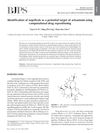 January 2017 in “Brazilian Journal of Pharmaceutical Sciences”
 Arteannuin might work against cancer and Alzheimer's by targeting neprilysin.