October 2014 in “Cancer research” Blocking mTORC1 reduces skin tumor growth in mice.
 23 citations
,
November 2015 in “Phytotherapy Research”
23 citations
,
November 2015 in “Phytotherapy Research” Certain herbal compounds, especially from bitter melon, can inhibit cancer growth and promote hair growth by blocking PAK1.
 3 citations
,
January 2018 in “Biomedical dermatology”
3 citations
,
January 2018 in “Biomedical dermatology” Green tea extract helps prevent cell death and supports cell survival in hair cells exposed to a chemotherapy drug.
 14 citations
,
January 2001 in “Current Treatment Options in Oncology”
14 citations
,
January 2001 in “Current Treatment Options in Oncology” Treat limited stage small cell lung cancer with chemotherapy and radiation, and consider preventive brain radiation for better survival chances.

A woman regrew her hair after receiving injections of special cell-derived vesicles.
March 2022 in “Oncology Times” Tebentafusp-tebn improves survival rates in uveal melanoma patients but has common side effects like rash and fatigue.
 1 citations
,
September 2011 in “Journal of Dermatology”
1 citations
,
September 2011 in “Journal of Dermatology” A woman with a new PTCH gene mutation has both Gorlin syndrome and severe hair loss.
 February 2026 in “Molecules”
 BBR-SA nanomedicine is a safe and effective treatment for breast cancer.
May 2026 in “Journal of Clinical Oncology” Later line chemotherapy causes severe side effects, impacting quality of life, but patients continue treatment to extend life and stay connected with loved ones.
 4 citations
,
January 2001 in “Archives of Biochemistry and Biophysics”
4 citations
,
January 2001 in “Archives of Biochemistry and Biophysics” Activated ras can protect kidney cells from a certain substance that causes cell death.
 April 2026 in “International Journal of Clinical Oncology”
 Combining immune checkpoint inhibitors with other cancer therapies increases skin side effects in Asian patients.
 January 2025 in “Ege Tıp Bilimleri Dergisi”
 Radiotherapy affects mitochondrial-related genes in metastatic breast cancer cells.
19 citations
,
October 2016 in “Journal of oncology pharmacy practice” A cancer patient's hair became permanently curly after treatment with nivolumab.
 April 2023 in “Neurology”
 Valproic acid is a more effective treatment for vomiting in Alexander disease than other medications, with few side effects.
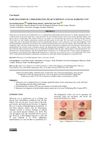 March 2022 in “Folia Medica Indonesiana”
 The lump on a woman's scalp was a rare, potentially cancerous tumor from the hair follicle, not a common cyst.
 11 citations
,
January 2022 in “Journal of Cancer”
11 citations
,
January 2022 in “Journal of Cancer” Low intensity ultrasound may reduce side effects of chemotherapy drugs like paclitaxel.
1 citations
,
April 2020 in “Journal of the Endocrine Society” Immunotherapy with pembrolizumab significantly reduced cancer in a young woman with adrenocortical carcinoma.
December 2024 in “International Journal of Molecular Sciences” Platelet-rich fibrin may help reduce nonmelanoma skin cancer cell growth.
 13 citations
,
July 2016 in “BMC Complementary and Alternative Medicine”
13 citations
,
July 2016 in “BMC Complementary and Alternative Medicine” Hominis Placenta helps hair grow back by increasing cell growth and a specific growth factor.
 15 citations
,
January 2015 in “Skin Pharmacology and Physiology”
15 citations
,
January 2015 in “Skin Pharmacology and Physiology” Parathyroid hormones are important for hair growth, but their use in treating hair loss from chemotherapy is still uncertain.
3 citations
,
December 2023 in “International Journal of Nanomedicine” Repaglinide-loaded liponiosomal hybrids improve blood sugar control and insulin release better than regular Repaglinide.
35 citations
,
September 2004 in “American Journal of Dermatopathology” A rare nail bed cancer was successfully treated with no recurrence after 4 years.
 16 citations
,
September 2018 in “Journal of Molecular Liquids”
16 citations
,
September 2018 in “Journal of Molecular Liquids” The PS-b-PAA copolymer nanomicelles are effective for delivering a cancer treatment drug in photodynamic therapy.
2 citations
,
July 2009 in “Mayo Clinic Proceedings” A 66-year-old woman with skin lesions and other symptoms improved after treatment for porphyria cutanea tarda.
January 2014 in “Spectrum Research Repository (Concordia University)” FA-MNPs effectively targeted and killed cancer cells but didn't overcome drug resistance.
 65 citations
,
February 2015 in “Neuro-Oncology”
65 citations
,
February 2015 in “Neuro-Oncology” Alisertib was found to be an effective and tolerable treatment for children with recurrent brain tumors.
21 citations
,
June 2022 in “Pharmaceutics” Goat placenta in microneedle patches is effective and safe for skin regeneration.
 1 citations
,
January 2024 in “NPJ breast cancer”
1 citations
,
January 2024 in “NPJ breast cancer” Experts agree on how to manage sugar levels and skin reactions in patients taking the cancer drug alpelisib.
 32 citations
,
August 2019 in “Nature Communications”
32 citations
,
August 2019 in “Nature Communications” Chemotherapy causes permanent hair follicle damage by triggering stem cell loss.
10 citations
,
August 2016 in “Dermatology Online Journal” Nilotinib can cause skin issues like red bumps and hair loss.