65 citations
,
December 2015 in “Experimental dermatology” Corticosteroid treatment reduces inflammation and alters hair keratins in alopecia areata.
 13 citations
,
June 2012 in “Journal of Dermatological Case Reports”
13 citations
,
June 2012 in “Journal of Dermatological Case Reports” An 8-year-old boy with hair-pulling disorder had a bald patch that was confirmed not to be a fungal infection and was treated with therapy.
May 2020 in “Lithuanian University of Health Sciences” Alopecia areata is an autoimmune disease causing hair loss, with treatments often ineffective but new options are being researched.
1 citations
,
January 2016 in “Dermatology Online Journal” Triangular temporal alopecia can occur in adults and should be correctly identified to prevent misdiagnosis.
 48 citations
,
October 1996 in “Dermatologic clinics”
48 citations
,
October 1996 in “Dermatologic clinics” Some treatments can help with hair regrowth in alopecia areata, but results vary and long-term use is often needed without changing the disease's outcome.
January 2025 in “Journal of Dermatology & Dermatologic Surgery” Environmental factors can trigger alopecia areata in identical twins.
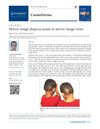
Mirror-image twins can have alopecia areata on opposite sides of their heads.
The paper concludes that the patchiness of alopecia areata is likely due to when the immune attack happens in the hair growth cycle.
 1 citations
,
October 2006 in “Journal of Family Planning and Reproductive Health Care”
1 citations
,
October 2006 in “Journal of Family Planning and Reproductive Health Care” The contraceptive implant Implanon may be linked to hair loss, but the reported case of alopecia could be unrelated to the implant.
32 citations
,
August 2016 in “Journal of the American Academy of Dermatology” Temporal triangular alopecia is a non-scarring hair loss in children, often linked to other health conditions.
 June 2025 in “Clinical Cosmetic and Investigational Dermatology”
 Combining corticosteroids and minoxidil can quickly regrow hair lost from radiation.
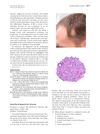
January 2022 in “Clinical Cases in Dermatology” A 12-year-old boy has a rare, harmless hair loss on his chin with no need for treatment.
The man has Temporal Triangular Alopecia, a stable, non-scarring hair loss condition best treated with hair transplantation.
 January 2025 in “Journal of Skin and Stem Cell”
 Gout can cause hair loss, but treatment can lead to hair regrowth.
 7 citations
,
January 2012 in “International Journal of Trichology”
7 citations
,
January 2012 in “International Journal of Trichology” Two siblings both had a rare case of alopecia areata at the same time.
18 citations
,
July 2001 in “International Journal of Dermatology” A 12-year-old boy's hair loss and skin issues improved significantly with medication.
16 citations
,
May 2022 in “New England Journal of Medicine” Baricitinib is not very effective for severe alopecia areata.
 January 2024 in “Pan African Medical Journal”
 Non-scarring hair loss is common in lupus patients and can be diagnosed with specific hair and tissue tests.
 January 2023 in “Social Science Research Network”
 The document doesn't say if the treatment for hair loss worked.
January 2004 in “Linchuang pifuke zazhi” A man lost hair permanently from a salon burn, and surgery was needed to fix the scar.
4 citations
,
April 2024 in “Journal of Drugs in Dermatology” Ruxolitinib cream may help treat severe hair loss in children.
36 citations
,
January 2010 in “International Journal of Trichology” Intralesional steroids can help regrow hair in some alopecia areata patients but have side effects.
 3 citations
,
June 2023 in “Journal of cosmetic dermatology”
3 citations
,
June 2023 in “Journal of cosmetic dermatology” A new drug, abrocitinib, helped a child with severe hair loss regrow hair.
 June 2023 in “Asian Journal of Pharmaceutical Research”
 Different types of hair loss require specific treatments, and new treatments are being developed.
3 citations
,
May 2024 in “International Journal of Women’s Dermatology” Over-the-counter hair growth products may cause frontal fibrosing alopecia due to allergens.
3 citations
,
January 2020 in “International journal of trichology” Congenital triangular alopecia is a hair loss condition present from birth or early childhood with no effective treatment needed.
Trichoscopic examination is crucial for diagnosing congenital triangular alopecia.
 January 2020 in “Przegla̧d dermatologiczny”
 A 5-year-old boy was diagnosed with congenital triangular alopecia, a type of hair loss without skin changes, usually starting between ages 2-5, with no specific treatment.
 70 citations
,
April 2016 in “Experimental Dermatology”
70 citations
,
April 2016 in “Experimental Dermatology” A patient with alopecia areata regrew hair after taking tofacitinib and showed changes in certain blood and skin markers.
 10 citations
,
April 2020 in “Dermatology and therapy”
10 citations
,
April 2020 in “Dermatology and therapy” Calcipotriol works almost as well as clobetasol for mild to moderate alopecia areata with fewer side effects.