 June 2019 in “Pediatric Dermatology”
 Alopecia in patients with epidermolysis bullosa varies in severity and is often caused by skin blistering or trauma.
Alopecia areata is an autoimmune disease that targets hair follicles.
July 1990 in “British Journal of Dermatology”  March 2019 in “Chinese Journal of Dermatology”
 Hair loss, known as androgenetic alopecia, is mainly caused by genetics, but also by hormone imbalances, shrinking hair follicles, inflammation, and environmental factors.
 150 citations
,
October 2010 in “The American Journal of Pathology”
150 citations
,
October 2010 in “The American Journal of Pathology” The document concludes that more research is needed to better understand and treat primary cicatricial alopecias, and suggests a possible reclassification based on molecular pathways.
 23 citations
,
June 2003 in “Journal of Investigative Dermatology Symposium Proceedings”
23 citations
,
June 2003 in “Journal of Investigative Dermatology Symposium Proceedings” Alopecia Areata is an autoimmune disease affecting hair follicles, influenced by genetic and environmental factors, with rodent models being essential for research.
20 citations
,
March 2021 in “Cancers” Certain genetic variants increase the risk of aggressive prostate cancer.
17 citations
,
October 2020 in “South African Medical Journal” Fungal infections are common in severe COVID-19 cases but their impact on disease severity is unclear.
7 citations
,
December 2024 in “Journal of the American Academy of Dermatology” Genetics, hormones, and microbiome changes contribute to hidradenitis suppurativa.
 5 citations
,
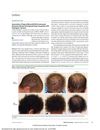
July 2020 in “JAMA Dermatology”
5 citations
,
July 2020 in “JAMA Dermatology” Minoxidil solution applied twice daily improved hair growth in patients with Woolly Hair/Hypotrichosis due to LIPH gene issues, with mild side effects.
July 2025 in “Journal of Investigative Dermatology” Scarring alopecia involves increased immune cells and specific gene changes near damaged hair follicles.
November 2024 in “Journal of Investigative Dermatology” Genetic changes in specific proteins contribute to hair loss in some women of African descent.
 June 2024 in “British Journal of Dermatology”
 KRT14 gene variants cause dermatopathia pigmentosa reticularis, affecting nails, teeth, and hair.
 January 2024 in “Journal of Biosciences and Medicines”
 Future treatments for androgenic alopecia may focus on reactivating hair follicle stem cells and improving drug delivery.
 June 2023 in “British Journal of Dermatology”
 Coinheritance of BRCA2 and CYLD genes may lead to new treatment options for certain cancers.
April 2023 in “Journal of Investigative Dermatology” IL-17 plays a key role in severe hair loss in chronic alopecia areata.

Alopecia areata is an autoimmune disease affecting hair follicles and may harm heart health.
 135 citations
,
April 2017 in “Advances in Clinical and Experimental Medicine”
135 citations
,
April 2017 in “Advances in Clinical and Experimental Medicine” New treatments for PCOS show promise, including both medication and non-medication options.
 89 citations
,
October 1996 in “Dermatologic Clinics”
89 citations
,
October 1996 in “Dermatologic Clinics” Alopecia areata is likely caused by a combination of genetic factors and immune system dysfunction, and may represent different diseases with various causes.
56 citations
,
January 2022 in “Burns & Trauma” WNT5A contributes to keloid scars by promoting cell changes through specific signaling pathways.
22 citations
,
September 2008 in “International Journal of Dermatology” The case suggests a possible autoimmune link between lichen sclerosus and vitiligo.
 1 citations
,
January 1989 in “Journal of dermatological treatment”
1 citations
,
January 1989 in “Journal of dermatological treatment” Azelaic acid may help treat acne by killing bacteria, reducing inflammation, and preventing clogged pores.
November 2025 in “SHILAP Revista de lepidopterología” Animal and mathematical models help understand and develop treatments for alopecia areata.
July 2025 in “Journal of Investigative Dermatology” Schwann cell and M2 macrophage interactions contribute to keloid growth by increasing matrix deposition.
January 2025 in “Dermatologic Therapy” Oxidative stress damages hair follicles and worsens hair loss in androgenetic alopecia.
 May 2023 in “Research Square (Research Square)”
 Blocking the HEDGEHOG-GLI1 pathway can reduce keloid growth and may be a potential treatment.
October 2022 in “Hair Transplantation” Female pattern hair loss affects many women and requires specialized care.
October 2022 in “Hair Transplantation” Male pattern hair loss is mainly caused by genetics and hormones, especially DHT.
106 citations
,
January 2013 in “Clinical and Developmental Immunology” Alopecia areata is caused by immune system attacks on hair follicles, often triggered by viral infections.
62 citations
,
October 2018 in “Journal of pathology” Keratin 17 is linked to various diseases, including cancer and skin conditions, and may be a target for diagnosis and treatment.