 January 2019 in “Annals of Dermatology”
 HIV patients in Korea often have skin diseases like fungal infections, folliculitis, and seborrheic dermatitis, which are less common with effective HIV treatment.
January 2019 in “International Journal of Clinical & Medical Images” The patient showed signs of liver disease due to alcohol use but didn't need treatment for Dupuytren’s contracture.
 September 2018 in “Journal of the American Academy of Dermatology”
 Elderly patients with CCCA were all African American with low vitamin D, but no iron or zinc deficiencies, and no hormonal imbalances compared to younger patients.
 April 2018 in “Journal of Investigative Dermatology”
 Psoriasis patients are willing to pay less than the cost of biologic treatments for remission and don't expect complete or long-term symptom clearance.
 April 2018 in “Journal of Investigative Dermatology”
 Acne patients' skin, both with and without lesions, shows a strong immune response and higher antimicrobial activity.
March 2018 in “Cambridge University Press eBooks” Transplant patients face higher skin cancer risks due to immunosuppressive therapy, requiring careful skin health monitoring.
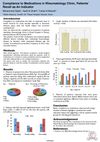
Many patients in the rheumatology clinic adjusted or stopped their medications due to side effects.
January 2018 in “Journal of the advanced practitioner in oncology” Older patients with advanced kidney cancer can be managed with a drug called Sunitinib.
 December 2017 in “Journal of the American Academy of Dermatology”
 The patient accepted her hair loss and adapted by wearing a wig and tattooing her eyebrows.
 October 2017 in “The American journal of gastroenterology”
 Three patients suffered severe health issues due to not getting enough vitamins and minerals after weight-loss surgery.
January 2016 in “Indian dermatology online journal” The patient has frontal fibrosing alopecia (FFA).
 January 2015 in “Indian Dermatology Online Journal”
 The patient's hair loss is most likely due to diffuse alopecia areata.
 December 2014 in “PubMed”
 A scalp biopsy can help confirm hair loss types when other methods don't provide a clear diagnosis.
June 2014 in “The Journal of Dermatology” A patient with a rare chromosome condition also had a rare type of hair loss.
 May 2014 in “Hair transplant forum international”
 Improve patient comfort during medical care.
 January 2014 in “Progress of Digestive Endoscopy”
 Prednisolone improved symptoms in a woman with Cronkhite-Canada syndrome, but regular screenings are needed due to cancer risk.
December 2013 in “American journal of transplantation” The patient improved after antiviral treatment for a viral infection.
 April 2013 in “Journal of the American Academy of Dermatology”
 Diabetic patients often have ingrown nails due to obesity, high blood pressure, past injuries, bad nail trimming, nail fungus, weak foot pulse, and weak knee reflex.
 April 2012 in “Journal of the American Academy of Dermatology”
 Psoriasis patients have more comorbidities, including autoimmune diseases and other health issues, than those without psoriasis.
Treating hair loss in PCOS involves a combination of lifestyle changes, medication, and possibly hair care strategies.
 September 2011 in “Urology”
 Some patients fail bladder function tests due to lower flow rates and higher remaining urine volumes, but the exact reasons for failure are unclear.
 October 2010 in “Journal of Men's Health”
 Some patients may experience lasting sexual dysfunction, depression, and other side effects from 5α-reductase inhibitor therapy.

The project improved provider knowledge about PCOS but didn't significantly change diagnosis and management practices.
 February 2009 in “Journal of The American Academy of Dermatology”
 Most patients with Tuberous sclerosis had neurological or skin issues, and over half had psychiatric problems.
June 2007 in “Taiwan Journal of Ophthalmology” Young patients with Vogt-Koyanagi-Harada syndrome may have poor vision outcomes despite treatment due to frequent recurrences.
April 2007 in “Oncology Times” Chemoprevention is rarely used due to concerns about risks, side effects, and lack of clear guidelines.
The combination of high-dose toremifene and capecitabine was effective for advanced recurrent breast cancer.

The patient with total hair loss did not regrow hair despite treatment, indicating a poor outlook for this type of hair loss.
April 2023 in “Dermatology and therapy” Most patients stop using topical minoxidil due to side effects.
 July 2021 in “Archives of Dermatological Research”
 Alopecia patients have less GPER-1, which might affect hair loss.