 36 citations
,
April 2016 in “Experimental Dermatology”
36 citations
,
April 2016 in “Experimental Dermatology” Photobiomodulation may help with hair growth and wound healing, but research is inconsistent and needs better quality studies.
 June 2020 in “Journal of Investigative Dermatology”
 More research with diverse participants is needed to determine the effectiveness of photobiomodulation devices for hair loss treatment.
 1 citations
,
March 2024 in “Brain Imaging and Stimulation”
1 citations
,
March 2024 in “Brain Imaging and Stimulation” A low-cost, 3D-printed light therapy device is safe and effective but needs more testing before use on people.
April 2023 in “Journal of Investigative Dermatology” In-person laser treatments help hair growth in androgenetic alopecia.
5 citations
,
July 2016 in “Experimental Dermatology” More research is needed before recommending photobiomodulation devices for hair loss treatment.
 34 citations
,
September 2019 in “Clinical, Cosmetic and Investigational Dermatology”
34 citations
,
September 2019 in “Clinical, Cosmetic and Investigational Dermatology” Light therapy can stimulate hair growth and is more effective when started early, but more research is needed on its long-term effects and optimal use.
Choose FDA-cleared red light therapy devices and follow guidelines for safe use.
 November 2023 in “Journal of Cosmetic and Laser Therapy”
 Most alopecia patients are open to trying light therapy, especially at-home devices, but cost is a big factor in their willingness.
 January 2026 in “Forum Dermatologicum”
 LED therapy is safe and can help with acne, aging skin, and hair loss, but consumer devices may be less effective.
 1 citations
,
January 2018 in “Springer eBooks”
1 citations
,
January 2018 in “Springer eBooks” Photobiomodulation is an effective and safe treatment for increasing hair growth in people with hair loss.
 April 2021 in “Journal of Investigative Dermatology”
 Photobiomodulation therapy may help treat hair loss in people with darker skin, but more research is needed.
26 citations
,
December 2020 in “Photodermatology Photoimmunology & Photomedicine” Photobiomodulation can improve hair density and thickness, but it's costly and needs more research.
7 citations
,
September 2019 in “DOAJ (DOAJ: Directory of Open Access Journals)” Photobiomodulation can help regrow hair in certain types of hair loss.
20 citations
,
September 2022 in “Journal of Biomedical Optics” PBM helps improve cell survival in 3D tissue engineering.
8 citations
,
January 2025 in “JADA Foundational Science” Photobiomodulation therapy can reduce pain and inflammation and help heal tissues, but more research is needed to improve its effectiveness and safety.
 June 2026 in “Ophthalmology and Therapy”
 Near-infrared and red-light therapy shows promise for eye diseases, but more research is needed to confirm its safety and effectiveness.
 1 citations
,
April 2018 in “Lasers in Surgery and Medicine”
1 citations
,
April 2018 in “Lasers in Surgery and Medicine” New treatments and technologies in laser medicine show promise for improving skin conditions, fat reduction, cancer treatment, wound healing, and hair restoration.
 41 citations
,
October 2024 in “Nature Communications”
41 citations
,
October 2024 in “Nature Communications” A new wearable LED device helps heal chronic infected wounds at home.
 September 2023 in “Journal of The American Academy of Dermatology”
 People were generally happy with the home light therapy devices for hair loss.
 520 citations
,
January 2017 in “AIMS biophysics”
520 citations
,
January 2017 in “AIMS biophysics” Photobiomodulation therapy using red and near-infrared light can reduce inflammation and aid in healing various conditions.
 160 citations
,
December 2016 in “Journal of biophotonics”
160 citations
,
December 2016 in “Journal of biophotonics” Low-level laser therapy, now called photobiomodulation, is recognized for its broad medical applications and scientific backing.
 39 citations
,
June 2017 in “Scientific Reports”
39 citations
,
June 2017 in “Scientific Reports” Different lab conditions and light treatment methods change how human skin cells respond to light therapy.
 2 citations
,
August 2020 in “Dermatologic Therapy”
2 citations
,
August 2020 in “Dermatologic Therapy” Higher energy, longer exposure, and pulse irradiation improve hair density in androgenetic alopecia treatment.
 November 2023 in “Materials Today Bio”
 Light therapy might help treat hereditary hair loss by improving hair follicle growth in lab cultures.
 March 2020 in “Journal of Laser Applications”
 Photobiomodulation therapy significantly increases hair density and growth for androgenic alopecia, but more research is needed to confirm safety.
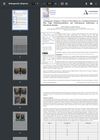
The combined treatment increased hair density in most patients with Androgenetic Alopecia.
 January 2024 in “International Journal of Health Science”
 Scalp cooling and low-power light therapy show promise in reducing chemotherapy-induced hair loss but need more research.
 7 citations
,
March 2019 in “Medicine”
7 citations
,
March 2019 in “Medicine” Combining light therapy and microneedling shows promise for treating female hair loss.
Photobiomodulation effectively improves skin and hair conditions with minimal side effects.