 October 2021 in “Journal of Investigative Dermatology”
 Dkk4 protein is necessary for the proper development and arrangement of hair follicles.
 98 citations
,
June 2001 in “Journal of biological chemistry/The Journal of biological chemistry”
98 citations
,
June 2001 in “Journal of biological chemistry/The Journal of biological chemistry” A cluster of sulfur-rich hair protein genes was found on chromosome 17.
 July 2022 in “Journal of Investigative Dermatology”
 Dkk4 is necessary for the initial development and arrangement of hair follicles.
CCC1 is essential for ion balance and proper plant cell function.
April 2011 in “The FASEB Journal” Profilin1 speeds up wound healing.
89 citations
,
March 1996 in “Proceedings of the National Academy of Sciences” CD18-deficient mice developed psoriasis-like skin disease, useful for studying inflammatory skin disorders.
Understanding genetics is crucial for treating heart and skin diseases.
6 citations
,
December 2023 in “Journal of Molecular Cell Biology” Removing Gsdma1/2/3 genes reduces skin cell overgrowth by blocking a specific cell pathway.
12 citations
,
July 2004 in “Molecular genetics and genomics” A new mouse mutation causes skin and hair defects due to a gene change.
 1 citations
,
August 2023 in “The journal of pharmacology and experimental therapeutics/The Journal of pharmacology and experimental therapeutics”
1 citations
,
August 2023 in “The journal of pharmacology and experimental therapeutics/The Journal of pharmacology and experimental therapeutics” Kir6.1 mutations in Cantú syndrome increase channel sensitivity and hyperpolarization, while SUR2B mutations do not.
 March 2025 in “American Journal of Medical Genetics Part A”
 A rare genetic variant linked to skin cysts was found in blood DNA, suggesting its role in cyst formation.
 30 citations
,
December 2011 in “Journal of biological chemistry/The Journal of biological chemistry”
30 citations
,
December 2011 in “Journal of biological chemistry/The Journal of biological chemistry” Keratin 17 is modified by RSK1 in response to growth and stress, affecting skin growth and stress response.
 8 citations
,
December 2009 in “Journal of The European Academy of Dermatology and Venereology”
8 citations
,
December 2009 in “Journal of The European Academy of Dermatology and Venereology” Researchers found a new mutation in the FERMT1 gene in a Spanish family with Kindler syndrome.
 February 2020 in “Definitions”
 Mutations in the KRT16 gene can cause skin and nail disorders.
 18 citations
,
February 2015 in “Acta Crystallographica Section D: Structural Biology”
18 citations
,
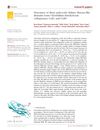
February 2015 in “Acta Crystallographica Section D: Structural Biology” The study concludes that certain domains in Clostridium histolyticum enzymes are structurally unique, bind calcium to become more stable, and play distinct roles in breaking down collagen, with potential applications in medicine and drug delivery.
 9 citations
,
January 2023 in “International Journal of Biological Sciences”
9 citations
,
January 2023 in “International Journal of Biological Sciences” CTHRC1 is essential for healing and preventing heart rupture after a heart attack.
24 citations
,
May 2009 in “The FASEB Journal” Akt2 and SGK3 are both important for normal hair growth and development.
 January 2025 in “Cell Communication and Signaling”
 CXXC5 can both suppress and promote cancer, making it a complex target for treatment.
114 citations
,
July 2003 in “PubMed” Lack of KSR1 stops certain skin tumors in mice.
 9 citations
,
April 2006 in “American Journal of Pathology”
9 citations
,
April 2006 in “American Journal of Pathology” SGK3 is essential for proper hair growth and health.
7 citations
,
January 2020 in “The journal of investigative dermatology/Journal of investigative dermatology” NIPP1 is important for healthy skin and could help treat skin inflammation.
36 citations
,
August 2016 in “The Plant cell” A specific enzyme is crucial for the bean plant's relationship with certain beneficial soil bacteria and fungi.
June 2026 in “Strathprints: The University of Strathclyde institutional repository (University of Strathclyde)” Topical IKKα inhibitors may help prevent CCS tumours.
 51 citations
,
February 2009 in “Journal of dermatological science”
51 citations
,
February 2009 in “Journal of dermatological science” Pitx2 helps outer root sheath cells differentiate but can't start hair growth on its own.
5 citations
,
June 2008 in “British Journal of Dermatology” 91 citations
,
December 2019 in “The EMBO Journal” NEDD4 and NEDD4L help control intestinal stem cells and prevent tumors by breaking down the LGR5 receptor.
 April 2017 in “Journal of Investigative Dermatology”
 Certain mutations in the KLHL24 gene cause a skin disorder by breaking down an important skin protein.
 May 2026 in “Theranostics”
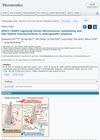
 Targeting DKK3–CKAP4 can help reverse hair loss in androgenetic alopecia.
 13 citations
,
January 2017 in “Molecules”
13 citations
,
January 2017 in “Molecules” Compounds from Alpinia zerumbet may help with hair regrowth and cancer treatment by targeting PAK1.
August 2005 in “The Journal of Cell Biology” Sgk3 kinase is essential for normal hair growth in mice.