 4 citations
,
January 2016 in “International journal of reproduction, contraception, obstetrics and gynecology”
4 citations
,
January 2016 in “International journal of reproduction, contraception, obstetrics and gynecology” A certain genetic variation is linked to a higher risk of polycystic ovarian syndrome.
 3 citations
,
March 2020 in “Dermatology Research and Practice”
3 citations
,
March 2020 in “Dermatology Research and Practice” Tracnil™, a mix of myo-inositol, folic acid, and vitamin D3, safely reduced acne, improved excessive hair growth, and fixed irregular periods in overweight women with PCOS.
 2 citations
,
December 1994 in “The Journal of clinical endocrinology and metabolism/Journal of clinical endocrinology & metabolism”
2 citations
,
December 1994 in “The Journal of clinical endocrinology and metabolism/Journal of clinical endocrinology & metabolism” The treatment effectively reduced hair growth and was safe for patients with PCOS, but it needs better bleeding control.
 1 citations
,
July 2022 in “International journal of homoeopathic sciences”
1 citations
,
July 2022 in “International journal of homoeopathic sciences” Homoeopathic treatment may help manage polycystic ovarian syndrome.
 1 citations
,
January 2022
1 citations
,
January 2022 Myo-inositol and D-chiro-inositol improve hormonal and physical symptoms in teenage girls with PCOS.
 1 citations
,
May 1999 in “Journal of The European Academy of Dermatology and Venereology”
1 citations
,
May 1999 in “Journal of The European Academy of Dermatology and Venereology” Treat hair loss with medicine, continue indefinitely.
 April 2026 in “International Journal of Homoeopathic Sciences”
 Individualized homeopathic treatment improved acne when conventional methods failed.
 March 2026 in “International Journal of Research and Review”
 Rosmarinus officinalis tincture significantly improves hair volume and density.
 March 2026 in “International Journal of Homoeopathic Sciences”
 Homeopathic and biochemic treatments led to hair regrowth and improved confidence in a man with hair loss.
 February 2026 in “International Journal of Basic & Clinical Pharmacology”
 Cosmetovigilance and clinical pharmacists can enhance safety in cosmetic treatments, especially for those with diabetes.
 January 2026 in “Asian Journal of Pharmaceutical and Clinical Research”
 Umbilical cord and cord blood stem cells are promising for treating chronic diseases due to their versatility and ethical acceptability.
 October 2025 in “International Journal of Homoeopathic Sciences”
 Holistic homeopathy, lifestyle changes, and nutrition can improve chronic hair loss.
 July 2025 in “International Journal of Ayurvedic Medicine”
 Kantavallabha rasa may help manage PCOS symptoms effectively.
 July 2025 in “Journal of Pharmacognosy and Phytochemistry”
 Plant-based therapies, like Aloe Vera and Cinnamon, may help manage PCOS symptoms with fewer side effects.
 January 2025 in “International Journal of Unani and Integrative Medicine”
 Combining modern and Unani treatments may offer better care for hirsutism in PCOS.
 January 2025 in “International journal of Indian medicine”
 Use pure Ayurvedic oils instead of commercial ones for healthier hair.
 February 2024 in “Journal of ayurveda and integrated medical sciences”
 Ayurvedic herbs can help manage Polycystic Ovarian Syndrome (PCOS).
 January 2024 in “Journal of Applied Pharmaceutical Science”
 Procyanidin B2 and leucopelargonidin from Saraca asoca may help treat PCOS by balancing hormones.
 April 2023 in “Research Square (Research Square)”
 Many healthcare workers who had Covid-19 suffer from long-term symptoms like hair loss and fatigue, especially women.
 January 2023 in “International journal of homoeopathic sciences”
 Homeopathic remedies can help manage PCOS symptoms in girls aged 17-21.
 December 2022 in “Journal of Phytonanotechnology and Pharmaceutical Sciences”
 Ayurvedic treatment helped a woman with PCOS become pregnant and have a healthy baby.
 January 2020 in “International journal of current research and review”
 Exposure to plastics may increase the risk of irregular menstrual cycles and symptoms of hormone imbalance in teenage girls.
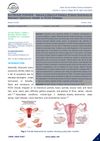 January 2020 in “Asian Journal of Basic Science & Research”
 Nutrease powder, a high-protein, low-carb supplement, can help manage Polycystic Ovary Syndrome symptoms, regulate periods, improve ovulation, and restore fertility.
 July 2019 in “International journal of reproduction, contraception, obstetrics and gynecology”
 Obesity greatly affects polycystic ovarian syndrome, and losing weight should be the first treatment for obese patients to improve their chances of ovulation and pregnancy.
 August 2016 in “Journal of evolution of medical and dental sciences”
 Most acne patients were young males with face acne, with many experiencing worsening in summer and diet-related aggravation.
 January 2016 in “International journal of reproduction, contraception, obstetrics and gynecology”
 A certain gene variation is linked to a higher risk of polycystic ovarian syndrome in South Indian women.
 52 citations
,
November 2009 in “International journal of gynaecology and obstetrics”
52 citations
,
November 2009 in “International journal of gynaecology and obstetrics” High androgen levels in Chinese women with PCOS are linked to a higher risk of diabetes and obesity.
 3 citations
,
January 2012 in “Hanyang Medical Reviews”
3 citations
,
January 2012 in “Hanyang Medical Reviews” The document concludes that more research is needed to create suitable diagnostic criteria and understand PCOS in Korean women, and genetics may allow for personalized treatment.
 16 citations
,
January 2012 in “European Journal of Endocrinology”
16 citations
,
January 2012 in “European Journal of Endocrinology” The study suggests certain ACE gene variations are more common in women with PCOS and may be linked to increased insulin resistance.
 January 2014 in “Journal of the Egyptian Women's Dermatologic Society (Print)”
 Women with acne after adolescence are more likely to have PCOS and should be checked for it.