Poly-D,L-lactic acid boosts hair growth in aged skin by activating hair follicle stem cells.
 April 1906 in “The American Journal of the Medical Sciences”
 Keratosis Pilaris Atrophicans causes skin scarring and might be treated with a new synthetic retinoid.
24 citations
,
July 2015 in “Molecular Medicine Reports” Lysophosphatidic acid boosts stem cell growth and movement by creating reactive oxygen species.
 September 2022 in “JAAD case reports”
 The man has a genetic skin condition called pachyonychia congenita.
 March 2014 in “Journal of The American Academy of Dermatology”
 Mycophenolic acid may help hair grow by activating pathways important for hair growth.
 4 citations
,
August 2021 in “Annals of Translational Medicine”
4 citations
,
August 2021 in “Annals of Translational Medicine” Dihydroartemisinin helps reduce prostate enlargement in rats by stopping the growth of prostate cells.
Justicia procumbens extract may help prevent hair loss and improve hair thickness and shine in a type of hair loss condition.
 30 citations
,
February 2017 in “Histochemistry and Cell Biology”
30 citations
,
February 2017 in “Histochemistry and Cell Biology” TPA promotes hair growth by increasing stem cell activity and activating specific cell signals.
December 2020 in “The journal of investigative dermatology/Journal of investigative dermatology” Papulopustular rosacea is an inflammatory skin condition treatable with lifestyle changes and medications.
4 citations
,
May 2023 in “Cells” Baricitinib and its combination with lonafarnib improve fat cell formation in certain genetic disorders.
11 citations
,
April 2012 in “Journal of Investigative Dermatology” A specific mutation in PA-PLA1α causes abnormal hair growth.
 22 citations
,
November 2021 in “Dermatology and Therapy”
22 citations
,
November 2021 in “Dermatology and Therapy” The AAPPO questionnaire is a reliable tool for assessing hair loss impact in alopecia areata patients.
1 citations
,
January 2018  23 citations
,
September 2014 in “JEADV. Journal of the European Academy of Dermatology and Venereology/Journal of the European Academy of Dermatology and Venereology”
23 citations
,
September 2014 in “JEADV. Journal of the European Academy of Dermatology and Venereology/Journal of the European Academy of Dermatology and Venereology” Laser treatments are the most effective for porokeratotic adnexal ostial nevus.
 54 citations
,
December 2014 in “Wound Repair and Regeneration”
54 citations
,
December 2014 in “Wound Repair and Regeneration” PRP injections may improve hair thickness and density in female hair loss patients.
46 citations
,
November 2004 in “Lipids” PPARs help regulate skin health and could be used to treat skin disorders.
3 citations
,
October 2021 in “Dermatologic Therapy” PRP with microneedling improves hair growth and patient satisfaction more than injections for androgenetic alopecia.
 January 2014 in “Journal of Investigative Dermatology”
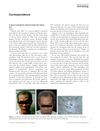
 Proteins like aPKC and PDGF-AA, substances like adenosine and ATP, and adipose-derived stem cells all play important roles in hair growth and health, and could potentially be used to treat hair loss and skin conditions.
 6 citations
,
April 2013 in “International Journal of Dermatology”
6 citations
,
April 2013 in “International Journal of Dermatology” Valproic acid helped hair growth in alopecia patient; more research needed.
 14 citations
,
March 2019 in “Journal of Cosmetic Dermatology”
14 citations
,
March 2019 in “Journal of Cosmetic Dermatology” Activated platelet-rich plasma helps hair growth by boosting growth factors and cell growth pathways in hair cells.
 October 2025 in “Proceedings of the National Academy of Sciences”
 Phospholipids help plant proteins move by regulating receptor interactions.
March 2017 in “Jurnal materi dan pembelajaran fisika” Light diffraction helps in eye surgery, brain treatments, and detecting hair loss and genetic diseases.
October 2017 in “Journal of Investigative Dermatology” Pemphigus vulgaris involves specific immune cells and B cells that produce antibodies causing skin blisters.
Polyglutamic acid is a valuable, sustainable ingredient for skincare and haircare products.
 3 citations
,
August 2024 in “Cureus”
3 citations
,
August 2024 in “Cureus” DALL-E 2 is only accurate for acne in pediatric dermatology and needs better data for other conditions.
January 2012 in “RWTH Publications (RWTH Aachen)” pdHGF speeds up wound healing and hair growth.
 19 citations
,
May 2007 in “Dermatologic therapy”
19 citations
,
May 2007 in “Dermatologic therapy” The document concludes that various treatments, including laser therapy, are effective for managing pseudofolliculitis barbae, especially in darker skin types.
 June 2023 in “International Journal of Clinical Research and Reports”
 Method B with propylene glycol is better for stable low-concentration DPCP solutions for alopecia areata.
 37 citations
,
April 2010 in “FEBS Letters”
37 citations
,
April 2010 in “FEBS Letters” The study concludes that the EDA2R gene is activated by p53 during chemotherapy but is not necessary for chemotherapy-induced hair loss.
20 citations
,
November 2014 in “JAMA dermatology” The 810-nm diode laser improves skin texture in keratosis pilaris but not redness.