 9 citations
,
January 1992 in “Journal of Investigative Dermatology”
9 citations
,
January 1992 in “Journal of Investigative Dermatology” Sugar molecule helps hair growth, less in balding, returns with treatment.
 1 citations
,
January 2022 in “Journal of Oleo Science”
1 citations
,
January 2022 in “Journal of Oleo Science” Phyllanthus emblica extract in transfersomes is a promising treatment for hair growth.
October 2021 in “Journal of Investigative Dermatology” Pink berry extract effectively treats scalp issues from frequent head covering.
 14 citations
,
April 2021 in “Heliyon”
14 citations
,
April 2021 in “Heliyon” Pomegranate leaf extract may help with hair growth, dandruff, and lice.
 October 2024 in “BMC Genomics”
 Understanding hair follicle development can help improve cashmere quality.
 August 2023 in “Skin Research and Technology”
 BLH308, with persimmon leaf, green tea, and sophora fruit extracts, safely increased hair density and thickness.
 1 citations
,
January 2014 in “International Journal of Trichology”
1 citations
,
January 2014 in “International Journal of Trichology” A patient with a rare hair condition and skin disorder showed hair improvement after treatment.
2 citations
,
June 2010 in “Medicina de Familia SEMERGEN” The girl's "dandruff" was actually harmless hair casts, not a hygiene issue.
8 citations
,
July 1986 in “International Journal of Dermatology” Eruptive vellus hair cysts are harmless skin bumps that may go away on their own.
 13 citations
,
March 2020 in “Genes”
13 citations
,
March 2020 in “Genes” Disrupting the FGF5 gene in rabbits leads to longer hair by extending the hair growth phase.
39 citations
,
July 2005 in “Current medical research and opinion” Topical cream eflornithine 11.5% can slow hair growth and may help reduce hair removal frequency.
 16 citations
,
April 2018 in “Animal Genetics”
16 citations
,
April 2018 in “Animal Genetics” Researchers found two genes that may explain why some Casertana pigs don't have hair.
September 2023 in “Journal of the American Academy of Dermatology” Sunscreen use is linked to frontal fibrosing alopecia, especially in males.
17 citations
,
June 1990 in “PubMed” Hair varies in size and features depending on body region.
2 citations
,
January 2010 in “PubMed” Current treatments for postmenopausal frontal fibrosing alopecia stop hair loss but don't regrow hair.
October 2025 in “Biomedicines” Terminalia chebula fruit extract helps hair growth by reducing DHT and boosting hair cell activity.
7 citations
,
July 2024 in “Animals” The Shh gene controls cell growth and death in cashmere goat hair follicles, affecting hair growth.
 March 2026 in “Scientific Data”
 Chromatin state changes in hair follicle stem cells can improve cashmere growth.
 7 citations
,
June 1967 in “Journal of Investigative Dermatology”
7 citations
,
June 1967 in “Journal of Investigative Dermatology” Plucking hairs in a certain way can result in intact hair roots, not related to baldness.
September 2024 in “The Journal of Dermatology” Nevus comedonicus can sometimes grow terminal hair, challenging previous beliefs.
3 citations
,
August 2017 in “Clinical case reports” A rare skin condition causes red and dark patches on the face and limbs.
January 2024 in “Updates in clinical dermatology” Frontal fibrosing alopecia is a scarring hair loss condition mainly affecting postmenopausal women, with unclear causes.
21 citations
,
April 2000 in “Journal of Cutaneous Pathology” The hamartoma is an abnormal hair growth with limited development in the upper hair follicle.
 4 citations
,
June 2016 in “Journal of Pharmacopuncture”
4 citations
,
June 2016 in “Journal of Pharmacopuncture” Cornu cervi pantotrichum pharmacopuncture solution helps mice grow hair by increasing hair follicle cell growth and a growth factor important for hair development.
 12 citations
,
January 2005 in “Pediatric Dermatology”
12 citations
,
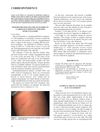
January 2005 in “Pediatric Dermatology” Fox Fordyce disease might be more common in prepubertal girls than thought and can be managed with treatment.

A runner developed tangled armpit hairs from shirt friction, preventable by shaving or wearing smooth shirts.
 January 1957 in “Nihon Chikusan Gakkaiho”
 Rabbit hair color is influenced by the shape and distribution of pigment granules.
 January 2012 in “International Journal of Trichology”
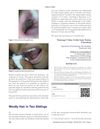
 Two siblings have a rare genetic condition causing curly, coarse hair.
 February 2024 in “Frontiers in plant science”
 Peps help Arabidopsis plants grow more root hairs by affecting specific genes and calcium signaling.
 1 citations
,
November 1992 in “Indian Dermatology Online Journal”
1 citations
,
November 1992 in “Indian Dermatology Online Journal” FUE is a popular hair restoration method that uses body hair and leaves no scars.