May 2015 in “European Journal of Paediatric Neurology” ECCL should be considered in patients with specific skin and eye lesions.
13 citations
,
October 2003 in “Clinical pediatrics” Steroid treatment greatly improved the symptoms of a boy with a rare disorder called Satoyoshi syndrome.
 February 2024 in “Journal of Paediatrics and Child Health”
 Hormonal changes and social stress may link lupus and eating disorders in teens.
 1 citations
,
April 2025 in “Pediatria i Medycyna Rodzinna”
1 citations
,
April 2025 in “Pediatria i Medycyna Rodzinna” Restoring EDA and WNT pathways early may help improve skin, hair, and teeth issues in hypohidrotic ectodermal dysplasia.
 September 2024 in “Pediatrics in Review”
 A trichobezoar caused the girl's recurrent intussusception, and surgery plus psychiatric therapy resolved her symptoms.
 March 2014 in “Pediatric Clinics of North America”
 The document discusses how to identify and manage common skin conditions in children.
 July 2018 in “Plastic and Aesthetic Nursing”
 The 2018 ISPAN Meeting emphasized hands-on learning, patient safety, and professional growth in medical aesthetics and reconstructive practices.
 22 citations
,
March 2021 in “Journal of Cutaneous Medicine and Surgery”
22 citations
,
March 2021 in “Journal of Cutaneous Medicine and Surgery” Ultrasound is a useful, non-invasive tool in dermatology for diagnosing skin conditions and guiding treatments, but it has some limitations.
 3 citations
,
December 2011 in “Pediatric Dermatology”
3 citations
,
December 2011 in “Pediatric Dermatology” The patient's long-term hair loss was caused by leukemia treatments and low estrogen levels, worsened by her genetic tendency for hair loss.
 1 citations
,
October 2000 in “Pediatrics in Review”
1 citations
,
October 2000 in “Pediatrics in Review” The document says that hookworms are treated with mebendazole and stress-related hair loss usually gets better in 6 months, while other hair loss types have specific treatments.
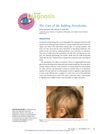 November 2017 in “Pediatrics in Review”
 A 4-year-old girl with hair loss was diagnosed with early-onset trichotillomania and improved with behavioral interventions.
1 citations
,
August 2024 in “Pediatric Dermatology” A rare, harmless hair condition was found in an infant's eyebrow, needing no treatment.
18 citations
,
January 2002 in “Pediatric Dermatology” A rare skin condition in children can look like other diseases.
 5 citations
,
September 1986 in “Pediatric Dermatology”
5 citations
,
September 1986 in “Pediatric Dermatology” A family showed a new condition with inherited hair loss and skin changes, possibly due to one genetic disorder.
 November 2011 in “Pediatric dermatology”
 Marie-Unna Hereditary Hypotrichosis is a rare genetic condition causing sparse hair growth, requiring specific recognition for proper care.
1 citations
,
February 2023 in “Pediatric Dermatology” Early recognition of symptoms is crucial for treating IPEX syndrome with a stem cell transplant.
February 2024 in “Pediatric Dermatology” A 5-year-old girl with a rare genetic disorder, lipoid proteinosis, showed reduced new lesions but persistent scars after avoiding skin trauma.
 January 1984 in “Pediatric Dermatology”
 The document concludes that some dermatology books are useful for their photos or specific topics, while others have limitations like poor quality images or content.
 November 1995 in “Journal of Pediatric Health Care”
 Most hair loss in kids and teens is due to common conditions, and hair usually grows back within 6 months.
 October 2025 in “Pediatric Dermatology”
 A 16-year-old boy's facial condition improved with doxycycline, suggesting an immune response to hair follicle damage.
 April 2021 in “Indian pediatrics case reports”
 A child's hair loss after Kawasaki disease may help understand the disease's autoimmune causes.
 6 citations
,
August 2012 in “The Journal of Pediatrics”
6 citations
,
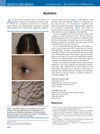
August 2012 in “The Journal of Pediatrics” A 12-year-old girl was diagnosed with monilethrix, a genetic condition causing fragile, beaded hair that breaks easily, with no effective treatment available.
 11 citations
,
May 2011 in “World Journal of Pediatrics”
11 citations
,
May 2011 in “World Journal of Pediatrics” The document emphasizes the importance of correctly identifying and classifying genetic hair disorders to help diagnose related health conditions.
May 2011 in “Harper's Textbook of Pediatric Dermatology” Alopecia areata causes patchy hair loss and has no cure, but treatments like corticosteroids and minoxidil can help.
 August 2020 in “Nigerian journal of paediatrics”
 A 24-month-old Nigerian girl developed early puberty with no family history, needing treatment her family couldn't afford.
5 citations
,
January 2011 in “Archives de Pédiatrie” A severe form of Netherton syndrome caused by a specific gene mutation led to neonatal deaths in a family.
 48 citations
,
January 2000 in “Hormone Research in Paediatrics”
48 citations
,
January 2000 in “Hormone Research in Paediatrics” Cytokines and neuropeptides are key in controlling androgen levels, affecting skin and hair conditions.
September 2023 in “Ukraïnsʹkij žurnal Perinatologìâ ì pedìatrìâ” Quick action and prevention are crucial to avoid severe complications from tourniquet syndrome in children.
 August 2022 in “Journal of Comprehensive Pediatrics”
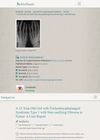
 A girl with a rare genetic disorder had a unique bone condition, highlighting the need for careful diagnosis and suggesting the disorder might be more common than thought.
September 2016 in “European Journal of Pediatric Dermatology/PD. European journal of pediatric dermatology” Ulerythema ophryogenes causes hair thinning and inflammation, with limited treatment options.