Lasers and light therapy are effective for treating skin conditions like hair loss, vitiligo, psoriasis, and molluscum contagiosum.
 February 2012 in “Australasian Journal of Dermatology”
 Some moles can disappear naturally, maintenance therapy for Stage 1 mycosis fungoides may not be necessary, allergic skin reactions in children are rising, weekly methotrexate for psoriasis is more effective than daily, long-term finasteride use improves hair growth with few side effects, and petrolatum improves UV therapy for psoriasis.
 July 2003 in “Journal of Cutaneous Medicine and Surgery”
 High blood pressure drugs often cause skin lupus, stopping the drug usually helps. A vaccine helps prevent genital herpes and HPV-16. More frequent light therapy clears psoriasis faster. No link was found between low iron and chronic hair loss.
 July 2003 in “Journal of Cutaneous Medicine and Surgery”
 Blood pressure drugs can cause skin lupus, but it improves after stopping the drug. The glycoprotein D vaccine works against genital herpes in some women, and the HPV-16 vaccine reduces HPV-16 infection and related diseases. More frequent light therapy clears psoriasis faster. A cream called imiquimod effectively treats a type of skin cancer. Iron supplements don't necessarily help with chronic hair loss in women.
 March 2014 in “Pediatric Clinics of North America”
 The document discusses how to identify and manage common skin conditions in children.
 June 2025 in “Saratov Medical Journal”
 Ongoing research and innovation are crucial for improving skin care and treatment.
 July 2003 in “Journal of Cutaneous Medicine and Surgery”
 Various skin conditions can be treated effectively with different methods, such as discontinuing certain drugs, using specific vaccines, applying creams, and changing lifestyle habits like smoking and drinking.
 July 2003 in “Journal of Cutaneous Medicine and Surgery”
 The document concludes that various treatments for skin conditions are effective, but some require further research, and certain factors like gender and lifestyle can influence disease outcomes.
 21 citations
,
January 2006 in “Pediatrics”
21 citations
,
January 2006 in “Pediatrics” Some diseases can improve the outcomes of other diseases, leading to new treatment possibilities.
 25 citations
,
January 2005 in “Pediatric Dermatology”
25 citations
,
January 2005 in “Pediatric Dermatology” Methotrexate effectively treated a 2-year-old's generalized pustular psoriasis without side effects.
60 citations
,
September 2004 in “Pediatric Dermatology” A girl developed vitiligo and psoriasis after hepatitis B treatment, and stopping the treatment didn't help.
5 citations
,
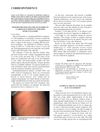
May 2007 in “Pediatric Dermatology” Severe hypothyroidism can cause unusual skin problems that improve with thyroid treatment.
 12 citations
,
January 2005 in “Pediatric Dermatology”
12 citations
,
January 2005 in “Pediatric Dermatology” Fox Fordyce disease might be more common in prepubertal girls than thought and can be managed with treatment.
65 citations
,
November 2008 in “Pediatric Dermatology” Phototherapy is effective and well-tolerated for treating childhood psoriasis and pityriasis lichenoides chronica.
 December 2023 in “Paediatrics & Family Medicine/Pediatria & Medycyna Rodzinna”
 Type 1 diabetes patients often have other autoimmune diseases, which complicate their care.
 65 citations
,
January 2005 in “American journal of clinical dermatology”
65 citations
,
January 2005 in “American journal of clinical dermatology” Children with scalp fungal infections need proper diagnosis and treatment, usually with antifungal medications, and newer drugs may offer quicker recovery.
 22 citations
,
May 2011 in “American Journal of Clinical Dermatology”
22 citations
,
May 2011 in “American Journal of Clinical Dermatology” Recognizing and managing skin-related psychiatric disorders in children is crucial for effective treatment.
 6 citations
,
March 2020 in “Jornal de Pediatria”
6 citations
,
March 2020 in “Jornal de Pediatria” Inflammatory skin conditions are the most common in Brazilian children, with atopic dermatitis being the top issue.
 April 2019 in “The journal of investigative dermatology/Journal of investigative dermatology”
 High potency topical steroids are the most effective treatment for pediatric alopecia areata.
 25 citations
,
October 2015 in “Dermatology”
25 citations
,
October 2015 in “Dermatology” Dapsone improved pustular psoriasis in patients who didn't respond to other treatments and is considered a well-tolerated option.
 4 citations
,
November 2020 in “Psoriasis : Targets and Therapy”
4 citations
,
November 2020 in “Psoriasis : Targets and Therapy” The document concludes that proper treatment and management of plaque psoriasis in adolescents can improve their quality of life.
 17 citations
,
January 2022 in “Annals of Dermatology”
17 citations
,
January 2022 in “Annals of Dermatology” Severe pediatric alopecia areata worsens quality of life for patients and families.
 16 citations
,
June 2015 in “Pediatric dermatology”
16 citations
,
June 2015 in “Pediatric dermatology” Lichen Planopilaris in teens is rare, often misdiagnosed, and responds well to steroids.
 1 citations
,
May 2017 in “Journal of the American Academy of Dermatology”
1 citations
,
May 2017 in “Journal of the American Academy of Dermatology” Tofacitinib helped a teenager with severe hair loss grow hair back, but more research is needed.
 April 2026 in “Boletín Médico Del Hospital Infantil de México (English Edition)”
 Most kids with alopecia areata have other health issues, often allergies or skin conditions.
 September 2023 in “Journal of Nepal Paediatric Society”
 Skin infections and rashes are the most common skin problems in children.
 January 2023 in “Ankara Üniversitesi tıp fakültesi mecmuası”
 Most pediatric inpatients needed dermatology consultations for unspecified rashes and drug reactions, with varied treatments.
 April 2020 in “IP Indian journal of clinical and experimental dermatology”
 Many children with alopecia areata also have other autoimmune diseases.
 May 2015 in “Journal of The American Academy of Dermatology”
 Treatment with biologic agents can significantly improve psoriasis symptoms, and blood biomarkers could potentially predict individual patient's response to treatment.
 May 2011 in “Value in Health”
 CP-690,550 significantly reduced itching in patients with moderate-to-severe plaque psoriasis.