 January 2019 in “Springer eBooks”
 Some chemicals and drugs can cause hair loss, which usually grows back after stopping the treatment.
 December 2018 in “Zenodo (CERN European Organization for Nuclear Research)”
 Biofield Energy Treatment may boost hair growth.
 July 2018 in “Elsevier eBooks”
 Some drugs can cause reversible hair loss, but certain chemotherapy drugs may lead to permanent hair loss; drugs can also change hair color and texture.

Sinsun-yukza-hwan extract promotes hair growth in mice.
 January 2018 in “Clinical dermatology open access journal”
 The Biofield Energy Treated herbal mixture increased hair growth in mice compared to the untreated mixture.
 January 2018 in “Stem cell biology and regenerative medicine”
 ATP-dependent chromatin remodeling is crucial for skin development and stem cell function.
 November 2017 in “Koubunshi rombunshuu/Kōbunshi ronbunshū”
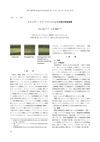
 Hematin in shampoo helps repair and straighten damaged hair.
 June 2017 in “Asian journal of pharmaceutical and clinical research”
 Green tea extract gel safely increases eyelash length.

Skin stem cells are crucial for maintaining and repairing skin, with potential for treating skin disorders and improving wound healing.
 April 2016 in “Journal of Investigative Dermatology”
 Boosting HGF signaling could improve the creation of hair follicles in lab-made skin.
 January 2016 in “Springer eBooks”
 New materials and methods could improve skin healing and reduce scarring.
Avicennia Marina extract and avicequinone C can reduce hair loss hormone production and increase hair growth factors, suggesting they could be used to treat androgenic alopecia.
 January 2015 in “Elsevier eBooks”
 Nanocarriers like liposomes and cyclodextrins improve how angiotensin-(1-7) is delivered in the body.
 January 2015 in “Springer eBooks”
 Chronic kidney disease can cause hair loss, which may be related to zinc deficiency or certain medications, and sometimes hair grows back when the underlying issue is treated.
 January 2014 in “Journal of Investigative Dermatology”
 Proteins like aPKC and PDGF-AA, substances like adenosine and ATP, and adipose-derived stem cells all play important roles in hair growth and health, and could potentially be used to treat hair loss and skin conditions.
 December 2013 in “Biomedical and biopharmaceutical research”
 Nanotechnology shows promise for better drug delivery and cancer treatment.
 December 2013 in “Research Portal (King's College London)”
 Hair loss in Lichen Planopilaris is caused by immune system issues damaging hair follicles and stem cells.

Chemotherapy can cause skin issues and hair loss, and this guide explains how to manage them.
 September 2013 in “Daehan hwajangpum hakoeji/Daehan hwa'jangpum haghoeji”
 Shampoo with ginseng helped improve hair thickness, density, growth, and reduced hair loss.

Millet extract, wheat germ oil, L-cystine, and calcium pantothenate reduced hair loss and improved hair growth in women with diffuse alopecia.

Acidic sandy clay damages archaeological hair the most, while dry conditions preserve but make it brittle; silicone oil can help keep the hair flexible.
 December 2008 in “The American Journal of Cosmetic Surgery”
 Multi-pass laser skin treatments improved healing, reduced pain, and had no major complications.
 June 2008 in “British Journal of Dermatology”
 Herpes gestationis is linked to certain antigens, atopic eczema affects T cell populations and may be eased by breastfeeding, higher doses of anti-androgen treatment can improve androgenic alopecia, topical minoxidil increases hair thickness, long-term methotrexate therapy can cause liver fibrosis in psoriasis patients, and Lichen Sclerosus et Atrophicus patients aren't at higher risk for autoimmune disorders.
 June 2006 in “British Journal of Dermatology”
 The document reports unique growth lines in a child after Stevens-Johnson syndrome, skin reaction from parsnips and sun in a girl, and itchy skin with xanthomas in a boy with Alagille syndrome.
 January 2001 in “Biomedical Research”
 THH and PAD type III appear together early in hair growth, but deiminated THH appears later, suggesting another factor is involved.
 June 2018 in “Advances in Cosmetic Surgery”
 Hair loss caused by genetics and hormones; more research needed for treatments.

Dermal stem cells help regenerate hair follicles and heal skin wounds.
 January 2016 in “International journal of advanced research in chemical sciences”
 A new method using NBD-CL can accurately and precisely measure finasteride in medicine, and could be used regularly for quality control in the industry.
 April 2018 in “Journal of Investigative Dermatology”
 CREB, a protein that can promote cancer traits, is controlled by β-catenin in skin cancer cells.
May 2010 in “Europe PMC (PubMed Central)” Near-infrared probes can safely and effectively image cysteine protease activity for disease diagnosis.