 16 citations
,
July 2018 in “Dermatologic Surgery”
16 citations
,
July 2018 in “Dermatologic Surgery” iL-PRF treatment improves hair growth for androgenetic alopecia.
 9 citations
,
March 1991 in “Endocrinology”
9 citations
,
March 1991 in “Endocrinology” Using two drugs together, Flutamide and 4-MA, is more effective for blocking male hormones than using each one alone.
Combining ATRA with TPO-RA effectively stabilizes platelet counts in ITP patients.
 March 2025 in “FEBS Journal”
 Epiprofin suppresses parathyroid hormone gene activity, helping regulate calcium levels and could be a treatment target for hyperparathyroidism.
 19 citations
,
October 1994 in “Tumori Journal”
19 citations
,
October 1994 in “Tumori Journal” As of 1994, treatments for liver cancer had not significantly improved patient survival.
 July 2022 in “Journal of Investigative Dermatology”
 IL-15 helps maintain hair growth and protects the immune status of hair follicles.
 July 2025 in “Journal of Investigative Dermatology”
 AMP-303 safely increases hair growth in men with hair loss.
2 citations
,
March 2025 in “Journal of Translational Autoimmunity” Targeting the AhR pathway may help treat alopecia areata.
290 citations
,
August 2021 in “Clinical Reviews in Allergy & Immunology” JAK inhibitors show promise for treating alopecia areata, but more research is needed.
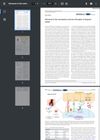 October 2023 in “International journal of rheumatic diseases”
 New treatments targeting the JAK signaling pathway, especially JAK inhibitors, show promise for alopecia areata.
18 citations
,
August 2024 in “eLife” JAK inhibition may help manage autoimmune conditions in Down syndrome.
 April 2025 in “Vestnik dermatologii i venerologii”
 JAK inhibitors like tofacitinib are effective and safer for severe alopecia areata than glucocorticosteroids.
 9 citations
,
May 2019 in “Journal of dermatological treatment”
9 citations
,
May 2019 in “Journal of dermatological treatment” Apremilast helps regrow hair in hard-to-treat alopecia areata.
 April 2017 in “The journal of investigative dermatology/Journal of investigative dermatology”
 Most patients experienced mild to moderate skin problems during a trial for a desmoid tumor treatment.
46 citations
,
April 2020 in “Drugs” Emerging therapies like JAK inhibitors show promise for hair regrowth in alopecia areata.
 5 citations
,
January 2005 in “Journal of Enzyme Inhibition and Medicinal Chemistry”
5 citations
,
January 2005 in “Journal of Enzyme Inhibition and Medicinal Chemistry” New steroids were effective in blocking male hormone receptors in hamster prostates.
March 2026 in “Journal of Clinical Oncology” Using 5-α-reductase inhibitors before treatment improves outcomes for patients with metastatic renal cell carcinoma.
March 2010 in “European Urology Supplements”  26 citations
,
October 2011 in “International Journal of Biological Macromolecules”
26 citations
,
October 2011 in “International Journal of Biological Macromolecules” Some newly made compounds are promising for treating enlarged prostate, hair loss, viruses, and prostate cancer, and might be better than current drugs.
 1 citations
,
April 2020 in “Journal of The European Academy of Dermatology and Venereology”
1 citations
,
April 2020 in “Journal of The European Academy of Dermatology and Venereology” Drugs like PDEI may help hair disorders like AGA.
 2 citations
,
July 2023 in “Journal of cosmetic dermatology”
2 citations
,
July 2023 in “Journal of cosmetic dermatology” JAK inhibitors are more effective and safer for treating alopecia areata than dupilumab and apremilast.
 19 citations
,
May 1992 in “International Journal of Dermatology”
19 citations
,
May 1992 in “International Journal of Dermatology” Some alternative vitiligo treatments show promise, but none are as effective as psoralens and UVA.
 1 citations
,
May 2025 in “The Journal of Rheumatology”
1 citations
,
May 2025 in “The Journal of Rheumatology” Upadacitinib may help treat difficult cases of systemic lupus erythematosus.
January 2002 in “Dialnet (Universidad de la Rioja)” Finasteride treatment makes the prostate look more like a healthy one.
47 citations
,
December 2011 in “Experimental Dermatology” CGRP may help protect hair follicles from immune system attacks, potentially slowing hair loss.
 20 citations
,
December 2019 in “The journal of allergy and clinical immunology/Journal of allergy and clinical immunology/The journal of allergy and clinical immunology”
20 citations
,
December 2019 in “The journal of allergy and clinical immunology/Journal of allergy and clinical immunology/The journal of allergy and clinical immunology” Blocking IL-12/IL-23 does not help with hair loss in alopecia areata for mice or humans.
 29 citations
,
January 2016 in “CNS drugs”
29 citations
,
January 2016 in “CNS drugs” Teriflunomide is effective and generally safe for treating relapsing-remitting multiple sclerosis.
 August 2021 in “Revista Colombiana de Reumatología/Revista Colombiana de Reumatologia”
 Janus kinase inhibitors may effectively treat severe alopecia areata unresponsive to other treatments.
 3 citations
,
January 2024 in “Liver International”
3 citations
,
January 2024 in “Liver International” Targeting thyroid hormone receptor α in liver cells may help treat liver fibrosis.
 72 citations
,
November 2015 in “Multiple Sclerosis and Related Disorders”
72 citations
,
November 2015 in “Multiple Sclerosis and Related Disorders” Teriflunomide is safe and tolerable for treating relapsing-remitting multiple sclerosis, with manageable side effects.