2 citations
,
February 2023 in “Actas Dermo-Sifiliográficas” Baricitinib effectively improved both atopic dermatitis and alopecia areata symptoms in a patient.
 6 citations
,
September 2024 in “BMC Pulmonary Medicine”
6 citations
,
September 2024 in “BMC Pulmonary Medicine” Cepharanthine may help treat lung fibrosis by affecting certain immune cells.
 April 2023 in “Revista colombiana de reumatología”
 JAK inhibitors like tofacitinib can effectively treat severe alopecia areata.
61 citations
,
September 2011 in “Pain” PEA reduces pain by increasing neurosteroid synthesis in the spinal cord.
 September 2022 in “Hair transplant forum international”
 JAK inhibitors like baricitinib are a new FDA-approved treatment for alopecia areata, but safety data is incomplete.
June 2025 in “British Journal of Dermatology” Irish dermatologists urgently need guidelines for using JAK inhibitors in treating alopecia areata.
 1 citations
,
September 2022 in “International Journal of Trichology”
1 citations
,
September 2022 in “International Journal of Trichology” Tofacitinib can be effective in treating hair loss caused by alopecia areata.
 November 2025 in “SKIN The Journal of Cutaneous Medicine”
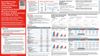
 Baricitinib works better in adolescents than adults for treating severe alopecia areata.
 February 2025 in “PubMed”
 CS12192 effectively treats alopecia areata with better safety than current options.
Fractional CO2 laser is more effective and safer than steroid injections for treating alopecia areata.
June 2024 in “Current Developments in Nutrition” KeraGLO improves skin and hair health.
 5 citations
,
June 2022 in “Frontiers in immunology”
5 citations
,
June 2022 in “Frontiers in immunology” Increasing Treg cells in the skin does not cure hair loss from alopecia areata in mice.
February 2018 in “The American Journal of Gastroenterology” High-dose iron therapy improves anemia without affecting IBD treatment.
 August 2024 in “Frontiers in Pharmacology”
 Antibody treatments show promise for hair loss but need more research.
 24 citations
,
May 2015 in “Schizophrenia Research”
24 citations
,
May 2015 in “Schizophrenia Research” A drug improved schizophrenia-like symptoms in stressed rats by changing brain steroid levels.
 4 citations
,
May 2025 in “Frontiers in Immunology”
4 citations
,
May 2025 in “Frontiers in Immunology” JAK inhibitors effectively and safely treat alopecia areata with few serious side effects.
 December 2022 in “bioRxiv (Cold Spring Harbor Laboratory)”
 The new vaccine platform led to a stronger immune response and better protection against the flu than the traditional vaccine.
 September 2025 in “Tạp chí Da liễu học Việt Nam”
 Combining oral methylprednisolone with microneedle radiofrequency improves hair growth in alopecia areata but may cause pain and side effects.
2 citations
,
September 2024 in “Animal Cells and Systems” Hepatitis B virus alters steroid hormones in male mice, reducing dihydrotestosterone to inhibit viral replication.
January 2017 in “프로그램북(구 초록집)” September 2015 in “Photodiagnosis and Photodynamic Therapy”  September 2023 in “Journal of The American Academy of Dermatology”
 Baricitinib treatment can help regrow scalp hair and eyebrows or eyelashes in people with severe alopecia areata.
Baricitinib works better than methotrexate for severe alopecia areata.
 1 citations
,
July 2022 in “British Journal of Dermatology”
1 citations
,
July 2022 in “British Journal of Dermatology” Baricitinib was effective in treating hair loss in adults with alopecia areata according to patient feedback.
March 2023 in “International Journal of Trichology” A man developed temporary hair loss after taking a cancer drug, which might indicate a better treatment response.
June 2025 in “British Journal of Dermatology” Tofacitinib was more effective than methotrexate for treating alopecia areata.
 25 citations
,
November 2022 in “British journal of dermatology/British journal of dermatology, Supplement”
25 citations
,
November 2022 in “British journal of dermatology/British journal of dermatology, Supplement” Baricitinib for severe alopecia areata is generally safe, with common side effects like infections and acne, and low rates of serious complications.
May 2026 in “Acta Dermato Venereologica” Early treatment with JAK inhibitors leads to better hair regrowth in acute alopecia areata.
 1 citations
,
February 2014 in “Archiv Der Pharmazie”
1 citations
,
February 2014 in “Archiv Der Pharmazie” Carbamates may help treat androgen-dependent conditions by changing how certain lipid enzymes are produced.
 223 citations
,
September 2018 in “Rheumatology”
223 citations
,
September 2018 in “Rheumatology” JAK inhibitors are effective in treating various immune-related diseases, not just rheumatoid arthritis.