5 citations
,
November 1979 in “PubMed” A hereditary condition causes hair loss and twisted hair in some family members.
32 citations
,
May 1986 in “Archives of Dermatology” The condition is likely inherited in an autosomal-dominant pattern.
7 citations
,
March 1990 in “Pigment Cell Research” Certain chemicals cause hair graying in black mice but not yellow mice.
 119 citations
,
June 1993 in “BMJ”
119 citations
,
June 1993 in “BMJ” Alopecia is a key indicator of thallium poisoning.
44 citations
,
February 2017 in “Journal of the American Academy of Dermatology” Lichen planopilaris (LPP) is linked to androgen excess, while frontal fibrosing alopecia (FFA) is linked to androgen deficiency.
 August 2018 in “Journal of The American Academy of Dermatology”
 A 5-year-old girl with a rare skin disorder was effectively treated with skin creams instead of oral medication.
2 citations
,
August 2023 in “Die Dermatologie” Genetic mutations affecting DNA repair cause early aging symptoms in progeroid syndromes.
1 citations
,
January 2024 in “Pediatric Dermatology” The boy's scurvy symptoms improved with vitamin C treatment, highlighting the need for a balanced diet.
January 2015 in “프로그램북(구 초록집)” Two patients with stubborn hair loss grew hair after PDRN injections.
2 citations
,
July 2023 in “International Journal of Dermatology” Lichen planopilaris patients are more likely to have hypothyroidism.
November 2012 in “Annales de Dermatologie et de Vénéréologie” Frontal fibrosing alopecia can occur in children, not just postmenopausal women.
 16 citations
,
July 1996 in “Dermatologic Clinics”
16 citations
,
July 1996 in “Dermatologic Clinics” Some psychiatric drugs can cause skin problems, but serious reactions are rare.
 138 citations
,
November 2015 in “Journal of Pharmacology and Experimental Therapeutics”
138 citations
,
November 2015 in “Journal of Pharmacology and Experimental Therapeutics” Protoporphyrin IX is useful in cancer treatment but can cause health problems if not properly regulated.
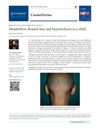 January 2026 in “Cosmoderma”
 A 9-year-old girl has a rare hair disorder causing beaded, sparse hair.
 April 2023 in “The journal of investigative dermatology/Journal of investigative dermatology”
 The study suggests that changes in immune system receptors and their interaction with a cell component may be important in the development of a type of hair loss condition.
13 citations
,
October 2016 in “Journal of Clinical Neuroscience” Thallium poisoning can cause worsening nerve damage and vision loss without typical symptoms.
 April 2024 in “Research Square (Research Square)”
 A 27-year-old with APS-1 showed improvement in symptoms after treatment.
A 21-year-old with lichen planopilaris was successfully treated, stopping disease progression and preventing crusts.
1 citations
,
July 2024 in “JAAD Case Reports” Gabapentin may help relieve itchy scalp in lichen planopilaris patients.
7 citations
,
May 1978 in “Acta Dermato Venereologica” A 36-year-old man had unusual skin lesions on his face without hair loss.
1 citations
,
January 2019 in “Pan African Medical Journal” Keratosis pilaris causes small skin bumps, mainly in women, and treatments offer only temporary relief.

Hair transplants can cause hair loss if done while lichen planopilaris is active; wait until it's inactive for two years and check with a scalp biopsy first.
December 2024 in “Annals of Medicine and Surgery” Early diagnosis of pseudopelade of Brocq in men is crucial to prevent permanent hair loss.
 January 2020 in “Medpulse International Journal of General Medicine/Medpulse International Journal of Medicine”
 Premature graying of hair is often linked with other health issues, but treatment with biotin, zinc, and calcium pantothenate is not very effective.
1 citations
,
February 2023 in “Pediatric Dermatology” Early recognition of symptoms is crucial for treating IPEX syndrome with a stem cell transplant.
September 2016 in “European Journal of Pediatric Dermatology/PD. European journal of pediatric dermatology” Ulerythema ophryogenes causes hair thinning and inflammation, with limited treatment options.
2 citations
,
December 2011 in “[Thesis]. Manchester, UK: The University of Manchester; 2011.” Immune system failure in hair follicles causes lichen planopilaris, leading to hair loss.
December 2025 in “Annals of African Medicine” 2 citations
,
January 2010 in “PubMed” Current treatments for postmenopausal frontal fibrosing alopecia stop hair loss but don't regrow hair.
10 citations
,
July 2001 in “PubMed” A new type of pachyonychia congenita may exist, caused by a different keratin mutation.