 December 2016 in “Journal of evolution of medical and dental sciences”
 Skin problems are common in thyroid disorders, with dry skin in hypothyroidism and warm, soft skin in hyperthyroidism.
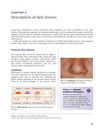
The document explains different types of skin lesions and their characteristics, causes, and related conditions.
 November 2016 in “Dermatologic Therapy”
 "Dermatologic Therapy" offers expert treatment info for various skin diseases.
 September 2016 in “International Journal of Dermatology”
 The document covers various dermatological conditions and their studies.
 July 2016 in “American Journal of Dermatopathology”
 The meeting showcased rare skin disease cases, highlighting the need for accurate diagnosis and treatment.
 June 2016 in “CRC Press eBooks”
 Sleep problems and skin issues affect each other; poor sleep can worsen skin conditions, and some skin treatments can improve or harm sleep quality.
 March 2016 in “Journal of the European Academy of Dermatology and Venereology”
 The April 2016 JEADV issue covered various dermatology topics, including psoriasis, psoriatic arthritis, mTOR inhibitors, autoimmune diseases, photodynamic therapy, viral DNA in skin diseases, chronic hand eczema, and female hair loss.
 January 2016 in “Springer eBooks”
 Understanding drug interactions, side effects, and patient-specific factors is crucial for effective dermatological care.
 January 2016 in “Kafkas Journal of Medical Sciences”
 Turkish pregnant women commonly experienced skin issues like itching and acne, and doctors mainly used topical treatments due to safety concerns during pregnancy.
 January 2016 in “Dermatology Review”
 Endocrine disorders can cause various skin and hair issues.
 November 2015 in “European Journal of Inflammation”
 Cicatricial alopecia, a permanent hair loss condition, is mainly caused by damage to specific hair follicle stem cells and abnormal immune responses, with gene regulator PPAR-y and lipid metabolism disorders playing significant roles.
 October 2015 in “Elsevier eBooks”
 Spironolactone can cause side effects like high potassium levels and breast enlargement, and patients need careful monitoring.
 July 2015 in “Journal of evolution of medical and dental sciences”
 The most common skin diseases found were contact dermatitis, scabies, fungal infections, urticaria, and acne, highlighting the need for better public health policies and awareness.
 May 2015 in “Journal of the American Academy of Dermatology”
 Certain drugs and supplements may contribute to hair loss in the frontal hairline in older women.
 March 2015 in “Plastic and reconstructive surgery”
 Human skin has multiple layers and functions, with key roles in protection, temperature control, and appearance.

Skin changes throughout life, from development before birth to aging effects like wrinkles, influenced by both genetics and environment.

Any medication can cause skin reactions, some due to allergies and others due to dosage or genetic factors.
 September 2014 in “Journal der Deutschen Dermatologischen Gesellschaft”
 Diabetes can cause a variety of skin disorders, some of which may signal more serious health issues.
 March 2014 in “Journal of The American Academy of Dermatology”
 The document lists various dermatology topics, treatments, and diagnostic methods.
 May 2013 in “Springer eBooks”
 Skin problems in the elderly are unique and may indicate other diseases, involving changes in skin, hair, nails, and increased cancer risk.
 February 2012 in “Journal of The American Academy of Dermatology”
Use the least toxic, most specific treatments for skin diseases, considering side effects and individual patient needs.
 January 2012 in “Durham e-Theses (Durham University)”
 Keratin 15 affects cell behavior and characteristics in skin cells.
 January 2009 in “Springer eBooks”
 The document concludes that managing skin conditions during pregnancy is important and requires specialized care.
 June 2008 in “British Journal of Dermatology”
 Herpes gestationis is linked to certain antigens, atopic eczema affects T cell populations and may be eased by breastfeeding, higher doses of anti-androgen treatment can improve androgenic alopecia, topical minoxidil increases hair thickness, long-term methotrexate therapy can cause liver fibrosis in psoriasis patients, and Lichen Sclerosus et Atrophicus patients aren't at higher risk for autoimmune disorders.
 December 2004 in “Medicine”
 A thorough history and examination are crucial for diagnosing skin diseases, which affect up to a third of people. This includes details about skin lesions, medication, general health, lifestyle, family, and contacts, as well as examining the rash, hair, nails, and mucous membranes. Changes in hair and nails can also indicate other medical and skin disorders.
 August 2001 in “Veterinary Dermatology”
 The meeting presented findings on effective treatments for various pet skin conditions and insights into the immune responses of dogs with atopic dermatitis.
 July 1997 in “The Lancet”
 A new protein linked to Alzheimer's was discovered, and a hair loss treatment showed effectiveness but had some sexual side effects.
 July 1997 in “The Lancet”
 Finasteride increased hair count and regrowth in men with hair loss but also caused more sexual side effects than placebo.
 January 1993 in “Side effects of drugs annual”
 Natural products like propolis are causing more skin allergies, and certain skin treatments and medications have various side effects and risks.