January 2017 in “Seoul National University Open Repository (Seoul National University)” AIMP1 can boost hair growth by increasing stem cell activity.
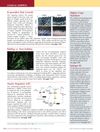 July 2016 in “Journal of Investigative Dermatology”
 R-spondin2 may help treat hair loss, gene differences could explain baldness, a peptide's regulation is linked to psoriasis, B-defensin gene copies may affect a skin condition's risk and severity, and potential markers and targets for alopecia areata were identified.
 April 2015 in “Andrology”
 HNG may help prevent the negative effects of chemotherapy on sperm production and white blood cell counts.
 March 2013 in “Journal of pediatric nursing”
 The case emphasizes the need for careful screening in children for insulin resistance and related conditions.
 July 2011 in “Springer eBooks”
 The document concluded that FDA-approved treatments like minoxidil and finasteride are effective for hair loss, while the effectiveness of natural remedies and other non-approved treatments is not well-supported by evidence.
GHK-Cu and propolis may help prevent scalp aging and hair loss.
Medical Hair Restoration added a non-surgical hair therapy program to help people with early hair loss.
July 2026 in “Journal of the American Academy of Dermatology” CRT is more effective than oral minoxidil alone for treating hair loss.
 January 2026 in “International Society of Hair Restoration Surgery”
 Tattoo machine-assisted drug delivery may improve hair growth in androgenetic alopecia.
 July 2025 in “Cosmoderma”
 The plant-based supplement improved hair, skin, and nail health and boosted well-being without side effects.
April 2023 in “Journal of Investigative Dermatology” Trichohyalin in hair can trigger immune attacks in alopecia areata.

Researchers developed a method to identify and measure different animal hair fibers in textiles, successfully distinguishing materials like cashmere from cheaper fibers.
 February 2022 in “International Journal of Research in Dermatology”
 Topical minoxidil is the primary treatment for female pattern hair loss in India.
September 2021 in “Eureka: Health Sciences” Androgenetic alopecia in women may be improved by targeting oxidative stress, inflammation, and fibrosis.
 May 2023 in “Journal of Investigative Dermatology”
 Blocking DPP4 can potentially speed up hair growth and regeneration, especially after injury or in cases of hair loss.
 October 2021 in “Journal of Investigative Dermatology”
 DPP4, a molecule in skin, helps heal large wounds and regrow hair follicles when its levels are reduced.
 April 2021 in “Journal of Investigative Dermatology”
 Bacteria can help skin regenerate through a process called IL-1β signaling.
April 2021 in “Journal of Investigative Dermatology” Blocking DPP4 can help prevent fat loss and skin fibrosis.
 April 2018 in “Journal of Investigative Dermatology”
 DPP4 is important for scarring and skin regeneration, and managing its activity could improve skin healing treatments.
 66 citations
,
July 2007 in “Journal of Molecular Medicine”
66 citations
,
July 2007 in “Journal of Molecular Medicine” Stress increases certain chemicals in the skin and nerves, which might worsen skin conditions.
 47 citations
,
November 2012 in “Pharmaceutical research”
47 citations
,
November 2012 in “Pharmaceutical research” Surface-modified nanoparticles mainly use non-follicular pathways to enhance skin permeation of ibuprofen and could improve treatment for inflammatory skin diseases.
 33 citations
,
August 2018 in “Facial Plastic Surgery Clinics of North America”
33 citations
,
August 2018 in “Facial Plastic Surgery Clinics of North America” The document explains hair biology, the causes of hair loss, and reviews various hair loss treatments.
 32 citations
,
February 2024 in “Growth Hormone & IGF Research”
32 citations
,
February 2024 in “Growth Hormone & IGF Research” Dihydrotestosterone (DHT) stops hair growth in mice by lowering a growth factor important for hair.
 31 citations
,
September 2014 in “Journal of Pharmaceutical Sciences”
31 citations
,
September 2014 in “Journal of Pharmaceutical Sciences” Using a special laser can improve how well hair loss treatments get into the skin and hair follicles.
 29 citations
,
March 2011 in “The Journal of Nutritional Biochemistry”
29 citations
,
March 2011 in “The Journal of Nutritional Biochemistry” Eating isoflavone can help mice grow hair by increasing a growth factor.
27 citations
,
August 2003 in “Anais Brasileiros de Dermatologia” Neuropeptides affect skin inflammation, repair, and hair growth, with potential for therapy.
 23 citations
,
January 2022 in “Biomaterials Science”
23 citations
,
January 2022 in “Biomaterials Science” Non-viral vectors show promise for safe and effective CRISPR/Cas9 gene editing in treating diseases.
23 citations
,
December 2008 in “Current medicinal chemistry” Stimulating sensory neurons can increase IGF-I production, which may help treat various diseases and improve tissue health.
20 citations
,
May 2023 in “Non-coding RNA Research” New delivery systems are improving siRNA treatments for skin conditions.
 14 citations
,
July 2021 in “Reviews in endocrine and metabolic disorders”
14 citations
,
July 2021 in “Reviews in endocrine and metabolic disorders” SARS-CoV-2, the virus causing COVID-19, can affect all endocrine organs and systems, altering their function and potentially leading to disorders. Factors like diabetes and obesity increase infection risk and severity. Understanding these effects is key for effective treatment.