 August 2025 in “Journal of the Pakistan Medical Association”
 Skin issues might be linked to infertility.
 January 2025 in “Directory of Open access Books (OAPEN Foundation)”
 PCOS affects women's hormones and metabolism, but can be managed with lifestyle changes and treatments.
 January 2025 in “American Journal of Medical and Clinical Research & Reviews”
 Cosmetics can contain harmful chemicals that may cause health issues.
 January 2025 in “RSC Pharmaceutics”
 Smart microneedles using advanced tech could improve psoriasis treatment.
 January 2025 in “Bright Sky Publications eBooks”
 Advancements in medical physics and laser technology are improving healthcare but access remains unequal globally.
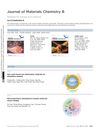 January 2025 in “Journal of Materials Chemistry B”
  November 2024 in “International Journal of Research and Review”
 Nanotechnology improves cosmetics by enhancing ingredient delivery and effectiveness.
 September 2024 in “Quality in Sport”
 Diet and exercise are key to managing PCOS symptoms.
 August 2024 in “Biomolecules & Therapeutics”
 A new compound, HTPI, promotes hair growth by protecting cells from damage and regulating energy use.
 March 2024 in “World Academy of Sciences Journal”
 Exercise helps maintain healthy skin by promoting regeneration and reducing inflammation.
 February 2024 in “Bőrgyógyászati és venerológiai szemle”
 Psychological issues with skin problems worsen patients' lives and treatment.
 January 2024 in “GeroScience”
 Using radiation to make mice's hair turn gray helps study and find ways to prevent or reverse hair graying.

research 22
December 2023 in “Psychiatry Neurology and Medical Psychology” Alopecia can lead to mental health issues, so treatment should address both skin and emotional health.
 November 2023 in “Martor”
 People still turn to witchcraft for help with modern problems despite technological advances.
 February 2023 in “Asian journal of pharmaceutical research and development”
 Flavonoids in Iraqi marshland plants have potential health benefits like antioxidant and anti-inflammatory effects.
 January 2023 in “Book of Abstracts”
 COVID-19 can cause different types of hair loss, with telogen effluvium being the most common.
 July 2022 in “Bőrgyógyászati és Venerológiai Szemle”
 Technology, like mobile apps and AI, is improving skin condition diagnosis and treatment.
 December 2021 in “International journal of minor fruits, medicinal and aromatic plants”
 The document concludes that in Sri Lanka, 25 common plants are traditionally used as home remedies for various health issues due to their medicinal properties.
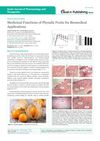 May 2021 in “Austin journal of pharmacology and therapeutics”
 Physalis fruits have medicinal properties that can help treat various diseases and have anti-inflammatory, antioxidant, antibacterial, and antitumor effects.
 May 2021 in “Dermatopathology”
 The review emphasizes the need to recognize skin conditions that affect hair follicles and sweat glands to avoid misdiagnosis.

Medicalization has shaped how society views health and gender roles over the past 200 years.
 September 2017 in “Clinical and Experimental Dermatology”
 The document summarized various dermatology studies and case reports.
 January 2017 in “Elsevier eBooks”
 Stress and hormones like progesterone can affect absence seizures, but their effects change with different life stages.
Human hair follicle cells can be turned into stem cells that may help clone hair for treating hair loss or burns.
 January 2016 in “Journal of Materials Chemistry B”
 Advancements in biomaterials and nanotechnology are improving medical applications like hair growth, bone regeneration, and cancer treatment.
 October 2015 in “Cosmetic Dermatology”
 Hair straightening changes hair structure and can cause damage if done wrong, but improvements in the methods are expected to continue.
 April 2015 in “Andrology”
 HNG may help prevent the negative effects of chemotherapy on sperm production and white blood cell counts.
 January 2015 in “Endocrine updates”
 Bariatric surgery patients need careful before and after surgery care for safety and long-term health.

Keratin hydrogels from human hair show promise for tissue engineering and regenerative medicine.
 December 2013 in “Research Portal (King's College London)”
 Hair loss in Lichen Planopilaris is caused by immune system issues damaging hair follicles and stem cells.