 January 2021 in “International journal of basic and clinical pharmacology”
 Hydroxychloroquine is less effective than betamethasone oral mini pulse therapy for treating alopecia areata.
 December 2016 in “Springer eBooks”
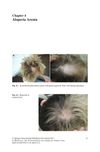
 A 45-year-old woman with autoimmune diseases experienced patchy hair loss due to alopecia areata, which has no cure but can be treated, with varying success.
 April 2003 in “Experimental Dermatology”
 The workshop highlighted the genetic links and psychological impacts of hair loss and skin disorders.
 January 1989 in “Clinical and Experimental Dermatology”
 The symposium concluded that hair growth involves complex processes, including the hair follicle life cycle, the role of the dermal papilla, hair strength, pigmentation, and the impact of diseases and treatments like minoxidil on hair and skin.
 34 citations
,
January 2018 in “International Journal of Dermatology”
34 citations
,
January 2018 in “International Journal of Dermatology” Scalp cooling is the most effective FDA-approved method to prevent chemotherapy-induced hair loss, but more research is needed for other treatments.
 33 citations
,
September 2012 in “Australasian Journal of Dermatology”
33 citations
,
September 2012 in “Australasian Journal of Dermatology” Chemotherapy can cause hair changes similar to alopecia areata, which might lead to misdiagnosis.
 68 citations
,
May 2016 in “Experimental dermatology”
68 citations
,
May 2016 in “Experimental dermatology” FFA's causes may include environmental triggers and genetic factors.
 20 citations
,
October 2016 in “Veterinary dermatology”
20 citations
,
October 2016 in “Veterinary dermatology” Dogs with generalized discoid lupus erythematosus have similar symptoms to humans and need continuous treatment.
 6 citations
,
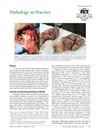
January 2015 in “Journal of the American Veterinary Medical Association”
6 citations
,
January 2015 in “Journal of the American Veterinary Medical Association” A 7-year-old dog with a rare autoimmune disease was euthanized due to severe anemia and poor prognosis.
 1 citations
,
April 2016 in “Journal of The American Academy of Dermatology”
1 citations
,
April 2016 in “Journal of The American Academy of Dermatology” People with allergies or high eosinophil levels have a higher chance of severe hair loss from alopecia areata, and sudden hair loss can indicate chronic graft-versus-host disease.
 April 2016 in “Journal of The American Academy of Dermatology”
 Both atopy and eosinophilia are linked to more severe hair loss in people with alopecia areata.
 April 2016 in “Journal of The American Academy of Dermatology”
 The study found that severe alopecia areata affects any age, treatments often give temporary results, and some factors predict worse outcomes.
 April 2016 in “Journal of The American Academy of Dermatology”
 People with certain allergic conditions or higher white blood cell counts have more severe hair loss, and treating hair and nail side effects early in melanoma therapy can improve quality of life.
 72 citations
,
July 2014 in “American journal of clinical dermatology”
72 citations
,
July 2014 in “American journal of clinical dermatology” Some treatments, like corticosteroids and sensitizing agents, can help with alopecia areata, but more high-quality research is needed.
 67 citations
,
November 2002 in “Journal of The American Academy of Dermatology”
67 citations
,
November 2002 in “Journal of The American Academy of Dermatology” The document concludes that careful evaluation is key to diagnose and treat women with hair loss, with tests for thyroid, iron, and hormones as needed.
 October 2025 in “Dermatology Practical & Conceptual”
 Psoriasis patients are more likely to develop alopecia areata due to complex autoimmune interactions.
 July 2021 in “International journal of dermatology, venereology and leprosy sciences”
 Diphenylcyclopropenone is more effective and has fewer side effects than dinitrochlorobenzene for treating alopecia areata.
 January 2010 in “Elsevier eBooks”
 The document concludes that different types of hair loss have specific treatments, and early diagnosis is crucial for preventing permanent hair loss.
Detailed history and physical examination are crucial for diagnosing hair loss.
 309 citations
,
May 1993 in “Journal of The American Academy of Dermatology”
309 citations
,
May 1993 in “Journal of The American Academy of Dermatology” Horizontal scalp biopsy sections effectively diagnose and predict MPAA, with follicular density and inflammation impacting hair regrowth.
 34 citations
,
August 2002 in “British Journal of Dermatology”
34 citations
,
August 2002 in “British Journal of Dermatology” ALA-PDT is effective and safe for chronic X-ray dermatitis, providing complete or partial remission.
 3 citations
,
May 2018 in “Journal of Cosmetic Dermatology”
3 citations
,
May 2018 in “Journal of Cosmetic Dermatology” Biopsy can differentiate between alopecia areata and androgenic alopecia, and if more information is needed, testing for CD3 and CD8 can help.
 April 2015 in “Journal of Evolution of Medical and Dental Sciences”
 People with autoimmune skin diseases often have hearing problems and should get their hearing checked early.
 421 citations
,
April 2012 in “The New England Journal of Medicine”
421 citations
,
April 2012 in “The New England Journal of Medicine” Alopecia Areata is an autoimmune condition causing hair loss with no cure and treatments that often don't work well.
 417 citations
,
September 2005 in “PLoS biology”
417 citations
,
September 2005 in “PLoS biology” Understanding gene expression in hair follicles can reveal insights into hair growth and disorders.
 391 citations
,
January 2010 in “Journal of The American Academy of Dermatology”
391 citations
,
January 2010 in “Journal of The American Academy of Dermatology” Half of people with Alopecia Areata may see hair regrowth within a year without treatment, but recovery is unpredictable.
 290 citations
,
December 2017 in “Journal of The American Academy of Dermatology”
290 citations
,
December 2017 in “Journal of The American Academy of Dermatology” Alopecia areata is an autoimmune condition causing hair loss, influenced by genetics, stress, and diet, and may be prevented by a high soy oil diet.
 191 citations
,
May 2018 in “British journal of dermatology/British journal of dermatology, Supplement”
191 citations
,
May 2018 in “British journal of dermatology/British journal of dermatology, Supplement” Alopecia areata is likely an autoimmune disease with unclear triggers, involving various immune cells and molecules, and currently has no cure.
 150 citations
,
April 2008 in “Journal of The American Academy of Dermatology”
150 citations
,
April 2008 in “Journal of The American Academy of Dermatology” Scalp dermoscopy is good for diagnosing a type of hair loss and helps choose the best spots for biopsy.
 136 citations
,
May 2019 in “Cells”
136 citations
,
May 2019 in “Cells” Stem cell therapy, particularly using certain types of cells, shows promise for treating hair loss by stimulating hair growth and development, but more extensive trials are needed to confirm these findings.