
New hair regrowth therapies show promise but need more research.
May 2025 in “Biomedicine & Pharmacotherapy” Hyperbranched polymer dots significantly boost hair regrowth better than minoxidil.

Advancements in diagnostics, treatments, and technology have improved hair loss detection and restoration, with some types being reversible.
 April 2025 in “Journal of Skin and Stem Cell”
 PDRN from trout sperm helps skin and hair regeneration but is costly and complex to produce.
 March 2025 in “JEADV Clinical Practice”
 People with primary scarring alopecia have higher risks of other health issues like vitamin D deficiency and thyroid disease.
February 2025 in “Skin Research and Technology” New non-invasive techniques can improve diagnosis and treatment of scalp and hair diseases.
 January 2025 in “Frontiers in Medicine”
 Hair follicles are key to treating vitiligo and alopecia areata, but challenges exist.
 January 2025 in “Clinical Cosmetic and Investigational Dermatology”
 Genetic testing is crucial for diagnosing rare hair loss disorders.
 January 2025 in “Dermatologic Therapy”
 Targeting multiple pathways may improve treatments for androgenetic alopecia.
 October 2024 in “Cosmetics”
 Afro-textured hair needs personalized care due to its unique genetic traits.
March 2024 in “Nutrients” Alopecia Areata is linked to specific gut bacteria and metabolites, indicating a complex gut microbiome.
 February 2024 in “International Journal of Molecular Sciences”
 Hair loss in Androgenetic Alopecia is caused by genetics, aging, and lifestyle, leading to hair follicle shrinkage and related health risks.
Tofacitinib helped a woman with total-body hair loss grow her hair back.
 October 2023 in “Current Issues in Molecular Biology”
 The YH complex, made from Astragalus membranaceus and Cinnamomum cassia, may help treat hair loss by promoting hair growth and follicle development.
 August 2023 in “Tzu Chi Medical Journal”
 Iron deficiency is the main cause of hair loss in women, and iron supplements started within 6 months can improve hair health.
 July 2023 in “Journal of Clinical Medicine”
 The document concludes that understanding hair follicle histology and the hair cycle is crucial for diagnosing alopecia.

New treatments for hair loss should target eight main causes and use specific plant compounds and peptides for better results.
 July 2023 in “Al-Azhar Assiut Medical Journal”
 Trichoscopy helps diagnose and manage hair and scalp disorders in children.
 May 2023 in “Frontiers in Endocrinology”
 Thyroid disease can cause skin, hair, and nail problems, and treating the thyroid condition often improves these symptoms.
 May 2023 in “Journal of Clinical Medicine”
 New understanding and treatments for hair loss are improving, but more research is needed.
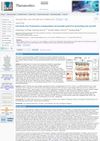 January 2023 in “Theranostics”
 A patch with curcumin-zinc can improve hair growth and health by delivering beneficial particles to the skin, increasing hair follicles, and reversing effects of a hair loss hormone.
December 2022 in “IntechOpen eBooks” 308 excimer phototherapy is a safe and effective way to treat hair loss from Alopecia Areata.
ILC1-like cells can independently cause alopecia areata by affecting hair follicles.
 May 2022 in “Journal of the Egyptian Women's Dermatologic Society (Print)”
 Women's hair loss can be due to hormonal changes and various conditions, with treatments focusing on stopping progression and managing symptoms.
 January 2017 in “Journal of Investigative Dermatology Symposium Proceedings”
 The 2015 Hair Research Congress concluded that stem cells, maraviroc, and simvastatin could potentially treat Alopecia Areata, topical minoxidil, finasteride, and steroids could treat Frontal Fibrosing Alopecia, and PTGDR2 antagonists could also treat alopecia. They also found that low-level light therapy could help with hair loss, a robotic device could assist in hair extraction, and nutrition could aid hair growth. They suggested that Alopecia Areata is an inflammatory disorder, not a single disease, indicating a need for personalized treatments.
 January 2014 in “Cosmoderma”
 The document concludes that personalized treatment plans for hair loss in Asian men are necessary and more research is needed to develop effective guidelines.
July 2012 in “International Journal of Trichology” Understanding hair health and disorders is important for effective treatment.

The conclusion is that there's a link between high testosterone levels, insulin resistance, and certain skin conditions, regardless of obesity.
March 2026 in “Journal of the American Academy of Dermatology” A holistic approach, including diet and stress management, may improve androgenetic alopecia treatment outcomes.