 34 citations
,
January 2014 in “International Journal of Trichology”
34 citations
,
January 2014 in “International Journal of Trichology” Polarized dermoscopy is slightly better than nonpolarized for diagnosing hair disorders, with each method having its own strengths.
 304 citations
,
July 2006 in “Journal of The American Academy of Dermatology”
304 citations
,
July 2006 in “Journal of The American Academy of Dermatology” Videodermoscopy improves diagnosis of hair and scalp disorders and may reduce scalp biopsies.
 290 citations
,
December 2017 in “Journal of The American Academy of Dermatology”
290 citations
,
December 2017 in “Journal of The American Academy of Dermatology” Alopecia areata is an autoimmune condition causing hair loss, influenced by genetics, stress, and diet, and may be prevented by a high soy oil diet.
 234 citations
,
December 1996 in “Journal of The American Academy of Dermatology”
234 citations
,
December 1996 in “Journal of The American Academy of Dermatology” Middle-aged women with chronic telogen effluvium experience increased hair shedding but usually don't get significantly thinner hair.
 157 citations
,
August 2010 in “Lupus”
157 citations
,
August 2010 in “Lupus” The document concludes that recognizing and treating cutaneous lupus erythematosus early is crucial for managing the skin and potential systemic symptoms.
 103 citations
,
June 2007 in “Endocrinology and Metabolism Clinics of North America”
103 citations
,
June 2007 in “Endocrinology and Metabolism Clinics of North America” Male pattern hair loss is genetic and influenced by hormones, with treatments like minoxidil and surgery available.
 72 citations
,
February 2011 in “The American Journal of Dermatopathology”
72 citations
,
February 2011 in “The American Journal of Dermatopathology” Anti-TNF therapy can cause a unique type of hair loss that may get better with topical treatments without stopping the therapy.
 72 citations
,
July 2008 in “Dermatologic Therapy”
72 citations
,
July 2008 in “Dermatologic Therapy” CCCA is a scarring hair loss condition mainly in African descent women, possibly caused by genetics and hairstyling, treated with gentle hair care and medications.
 71 citations
,
March 1995 in “Journal of The American Academy of Dermatology”
71 citations
,
March 1995 in “Journal of The American Academy of Dermatology” Using both vertical and transverse sections for alopecia biopsies improves diagnosis without extra cost.
 66 citations
,
November 2011 in “Journal of The American Academy of Dermatology”
66 citations
,
November 2011 in “Journal of The American Academy of Dermatology” A handheld dermatoscope helps diagnose different types of hair loss effectively.
 65 citations
,
November 2016 in “Journal of The American Academy of Dermatology”
65 citations
,
November 2016 in “Journal of The American Academy of Dermatology” The document concludes that early recognition and treatment of primary cicatricial alopecia is crucial to prevent permanent hair loss.
 51 citations
,
October 1981 in “British Journal of Dermatology”
51 citations
,
October 1981 in “British Journal of Dermatology” Some patients developed skin inflammation after obesity surgery, and a medication called dapsone helped treat it.
 45 citations
,
January 1998 in “Dermatology”
45 citations
,
January 1998 in “Dermatology” Some skin conditions look like acne but are caused by drugs, and they usually get better when the drug is stopped.
 44 citations
,
April 2012 in “American Journal of Clinical Dermatology”
44 citations
,
April 2012 in “American Journal of Clinical Dermatology” Scarring alopecias are complex hair loss disorders that require early treatment to prevent permanent hair loss.
 43 citations
,
August 2013 in “Pediatric Dermatology”
43 citations
,
August 2013 in “Pediatric Dermatology” Trichoscopy is good for diagnosing and monitoring hair and scalp problems in children but needs more research for certain conditions.
 39 citations
,
January 2011 in “Archives of Dermatology”
39 citations
,
January 2011 in “Archives of Dermatology” Reflectance confocal microscopy confirms that yellow dots are signs of damaged hair follicles in alopecia areata.
 39 citations
,
July 2008 in “Dermatologic Therapy”
39 citations
,
July 2008 in “Dermatologic Therapy” Pseudopelade of Brocq is a unique hair loss condition, but its cause and development are still not fully understood.
 36 citations
,
August 2018 in “Dermatologic Clinics”
36 citations
,
August 2018 in “Dermatologic Clinics” Trichoscopy is a useful tool for diagnosing hair disorders without pulling out hair.
 36 citations
,
June 2018 in “Journal of The American Academy of Dermatology”
36 citations
,
June 2018 in “Journal of The American Academy of Dermatology” Dermoscopy is useful for diagnosing various skin, hair, and nail disorders and can reduce the need for biopsies.
 36 citations
,
March 2011 in “Nature Communications”
36 citations
,
March 2011 in “Nature Communications” Cells from a skin condition can create new hair follicles and similar growths in mice, and a specific treatment can reduce these effects.
 31 citations
,
April 2010 in “British journal of dermatology/British journal of dermatology, Supplement”
31 citations
,
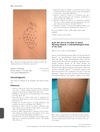
April 2010 in “British journal of dermatology/British journal of dermatology, Supplement” Frontal fibrosing alopecia can cause sudden hair loss on limbs, similar to scalp hair loss.
 29 citations
,
June 2013 in “Journal of the Saudi Society of Dermatology & Dermatologic Surgery”
29 citations
,
June 2013 in “Journal of the Saudi Society of Dermatology & Dermatologic Surgery” Alopecia areata is an autoimmune hair loss condition treated with corticosteroids, and histologic confirmation is the best diagnosis method.
 27 citations
,
July 2017 in “Facial Plastic Surgery”
27 citations
,
July 2017 in “Facial Plastic Surgery” Platelet-Rich Plasma (PRP) shows promise for hair growth and skin improvement in aesthetic surgery.
 26 citations
,
October 2018 in “Clinical & Translational Oncology”
26 citations
,
October 2018 in “Clinical & Translational Oncology” Spanish experts provided guidelines for treating skin side effects in cancer patients on new therapies, stressing early action and teamwork.
 26 citations
,
March 2015 in “American journal of clinical dermatology”
26 citations
,
March 2015 in “American journal of clinical dermatology” Topical clobetasol is recommended over mycophenolate mofetil for treating Lichen Planopilaris due to better safety and patient satisfaction.
 23 citations
,
November 2014 in “Anais Brasileiros de Dermatologia”
23 citations
,
November 2014 in “Anais Brasileiros de Dermatologia” Trichoscopy helps tell apart scalp lesions in pemphigus vulgaris and pemphigus foliaceus and is useful for choosing biopsy locations.
 22 citations
,
June 1980 in “International Journal of Dermatology”
22 citations
,
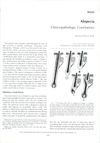
June 1980 in “International Journal of Dermatology” The document concludes that correct diagnosis of alopecia types is crucial, scalp biopsies are important, and more research is needed.
 21 citations
,
August 2011 in “Clinics in Dermatology”
21 citations
,
August 2011 in “Clinics in Dermatology” Looking at skin can help find and treat serious diseases early.
 19 citations
,
December 2001 in “Dermatologic Therapy”
19 citations
,
December 2001 in “Dermatologic Therapy” Horizontal scalp biopsy sections are better for diagnosing alopecia areata, showing fewer hair follicles and more miniaturized hairs.
 18 citations
,
January 2020 in “Journal of the European Academy of Dermatology and Venereology”
18 citations
,
January 2020 in “Journal of the European Academy of Dermatology and Venereology” High-potency steroids or tacrolimus are effective treatments for Erosive Pustular Dermatosis of the Scalp.