 December 2025 in “Cureus”
 Localized dystrophic epidermolysis bullosa (DEB) can lead to scarring alopecia, highlighting the need to recognize and address this complication.
 August 2021 in “Acta Haematologica Polonica”
 Folliculotropic mycosis fungoides has a worse prognosis than other types, with survival rates varying significantly based on subtype and organ involvement.
 July 2018 in “Elsevier eBooks”
 Discoid Lupus Erythematosus often causes scarring hair loss, is influenced by genetics and environment, and requires early treatment to prevent worsening.

Deucravacitinib improves symptoms and reduces inflammation in Lichen Planopilaris.
 14 citations
,
September 2016 in “Journal of Cutaneous Pathology”
14 citations
,
September 2016 in “Journal of Cutaneous Pathology” The document concludes that new methods improve the accuracy of diagnosing scalp alopecia and challenges the old way of classifying it.
 6 citations
,
January 2019 in “Medical Hypotheses”
6 citations
,
January 2019 in “Medical Hypotheses” Frontal Fibrosing Alopecia might be an autoimmune disease.
 157 citations
,
August 2010 in “Lupus”
157 citations
,
August 2010 in “Lupus” The document concludes that recognizing and treating cutaneous lupus erythematosus early is crucial for managing the skin and potential systemic symptoms.
 72 citations
,
February 2011 in “The American Journal of Dermatopathology”
72 citations
,
February 2011 in “The American Journal of Dermatopathology” Anti-TNF therapy can cause a unique type of hair loss that may get better with topical treatments without stopping the therapy.
 31 citations
,
April 2010 in “British journal of dermatology/British journal of dermatology, Supplement”
31 citations
,
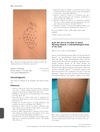
April 2010 in “British journal of dermatology/British journal of dermatology, Supplement” Frontal fibrosing alopecia can cause sudden hair loss on limbs, similar to scalp hair loss.
 13 citations
,
February 2015 in “Actas Dermo-Sifiliográficas”
13 citations
,
February 2015 in “Actas Dermo-Sifiliográficas” The document concludes that recognizing specific histological features of different nonscarring alopecias is crucial for accurate diagnosis and understanding hair loss progression.
 April 2016 in “Journal of The American Academy of Dermatology”
 People with certain allergic conditions or higher white blood cell counts have more severe hair loss, and treating hair and nail side effects early in melanoma therapy can improve quality of life.
 4 citations
,
February 2022 in “JAAD case reports”
4 citations
,
February 2022 in “JAAD case reports” The document concludes that low-dose oral minoxidil successfully regrew hair in a patient with permanent hair loss after chemotherapy and stem cell transplant.
1 citations
,
January 2025 in “Genes & Diseases” Understanding T cells and signaling pathways can lead to better treatments for hair loss.
 37 citations
,
May 1999 in “Australasian Journal of Dermatology”
37 citations
,
May 1999 in “Australasian Journal of Dermatology” Early diagnosis and treatment are crucial for preventing permanent hair loss in various scalp conditions, and while new treatments are promising, more research is needed to evaluate their effectiveness.
 23 citations
,
April 2018 in “Journal der Deutschen Dermatologischen Gesellschaft”
23 citations
,
April 2018 in “Journal der Deutschen Dermatologischen Gesellschaft” Permanent hair loss from cicatricial alopecia is treated by reducing inflammation and managing symptoms, but regrowth in scarred areas is unlikely.
 1 citations
,
July 2018 in “Elsevier eBooks”
1 citations
,
July 2018 in “Elsevier eBooks” FAPD and possibly CCCA may be AGA subtypes, and treatments combining antiandrogens, hair growth agents, hair transplants, and anti-inflammatories could be effective.
 January 2017 in “Springer eBooks”
 The document concludes that Cutaneous Lupus Erythematosus has different forms, is influenced by genetic and environmental factors, and can be treated with various medications, but more targeted therapies are needed.
 95 citations
,
November 2016 in “Journal of The American Academy of Dermatology”
95 citations
,
November 2016 in “Journal of The American Academy of Dermatology” Treatments for permanent hair loss from scarring aim to stop further loss, not regrow hair, and vary by condition, with partial success common.
 July 2016 in “American Journal of Dermatopathology”
 The meeting showcased rare skin disease cases, highlighting the need for accurate diagnosis and treatment.
 December 2013 in “Research Portal (King's College London)”
 Hair loss in Lichen Planopilaris is caused by immune system issues damaging hair follicles and stem cells.
 2 citations
,
January 2014 in “Springer eBooks”
2 citations
,
January 2014 in “Springer eBooks” The book details skin conditions in older adults, their link to mental health, cancer treatment importance, hair loss remedies, and managing autoimmune and itchy skin.
 March 2026 in “Frontiers in Medicine”
 Different types of alopecia cause hair loss due to immune system issues, with some allowing regrowth and others causing permanent loss.
 3 citations
,
October 2021 in “Journal of Cosmetic Dermatology”
3 citations
,
October 2021 in “Journal of Cosmetic Dermatology” Trichoscopy helps tell apart Frontal Fibrosing Alopecia and Lichen planopilaris by showing different hair and scalp features.
14 citations
,
January 2014 in “Annals of Dermatology” Some cases of folliculotropic mycosis fungoides may progress slowly and not need aggressive treatment.
Accurate diagnosis is crucial for effective treatment of similar hair loss conditions.
10 citations
,
January 2021 in “Annals of dermatology/Annals of Dermatology” Nivolumab can cause hair loss as a rare side effect.
 1 citations
,
January 2010 in “Springer eBooks”
1 citations
,
January 2010 in “Springer eBooks” Hair loss in androgenetic alopecia may be due to ongoing tiny inflammation and tissue changes around hair follicles.
 March 2020 in “Clinical research in dermatology”
 Two unusual cases showed that Lichen Planopilaris can look like other skin conditions and need early treatment to protect hair.
 August 2024 in “Journal of Clinical Medicine”
 Pruritus is common in LPP and FFA, worsened by heat and stress, and relieved by cold, affecting quality of life.
December 2023 in “Journal of clinical medicine” Some leukemia treatments can cause skin reactions similar to keratosis pilaris.