 30 citations
,
November 2012 in “Anais Brasileiros De Dermatologia”
30 citations
,
November 2012 in “Anais Brasileiros De Dermatologia” Diagnosing diffuse alopecia, a hair loss condition, can be challenging and may require a scalp biopsy or tracking the disease's progression when symptoms and skin tests aren't enough.
January 2025 in “Archivio istituzionale della ricerca (Alma Mater Studiorum Università di Bologna)” Accurate diagnosis is crucial to distinguish alopecia areata incognita from androgenetic alopecia in men for proper treatment.
 January 2023 in “Skin appendage disorders”
 Hair transplants in male pattern baldness typically look normal under a microscope.

Early and accurate identification of primary scarring alopecias is crucial to prevent permanent hair loss.
7 citations
,
May 2021 in “Clinical Case Reports” Alopecic and aseptic nodules of the scalp are rare, treatable, and often resolve with doxycycline or on their own.
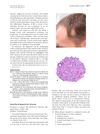
The man has Temporal Triangular Alopecia, a stable, non-scarring hair loss condition best treated with hair transplantation.
January 2002 in “Journal of Dermatology and Venereology” 2 citations
,
April 1999 in “PubMed” September 2025 in “JAAD reviews.”  January 2024 in “Journal of Cosmetics Dermatological Sciences and Applications”
 Females with pattern hair loss have more occipital involvement than males.
 41 citations
,
July 2015 in “Clinical and Experimental Dermatology”
41 citations
,
July 2015 in “Clinical and Experimental Dermatology” Psoriasis can cause temporary or permanent hair loss.
2 citations
,
April 2025 in “Pediatric Dermatology” Macular alopecia is a distinct, non-scarring hair loss pattern that mostly affects young Hispanic/Latinx females and often resolves on its own.
 1 citations
,
December 2020 in “Medicinskij alfavit”
1 citations
,
December 2020 in “Medicinskij alfavit” Telogen effluvium is a condition that causes temporary hair loss.
 63 citations
,
October 2011 in “Archives of Dermatology”
63 citations
,
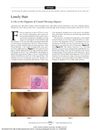
October 2011 in “Archives of Dermatology” Isolated long hairs at the original hairline can help diagnose Frontal Fibrosing Alopecia.
3 citations
,
January 2020 in “International journal of trichology” Congenital triangular alopecia is a hair loss condition present from birth or early childhood with no effective treatment needed.
 12 citations
,
January 1984 in “Anesthesia & Analgesia”
12 citations
,
January 1984 in “Anesthesia & Analgesia” Anesthesia and surgery can cause temporary hair loss, but hair usually grows back without treatment.
 December 2023 in “EPRA international journal of multidisciplinary research”
 Alopecia areata causes sudden hair loss, has genetic links, and can be managed but not cured.
1 citations
,
September 2011 Androgenic Alopecia causes hair loss in women.
 1 citations
,
April 2020 in “Baylor University Medical Center Proceedings”
1 citations
,
April 2020 in “Baylor University Medical Center Proceedings” Microneedling with triamcinolone helps hair regrowth in ophiasis alopecia areata.
 14 citations
,
December 2013 in “Anais Brasileiros De Dermatologia”
14 citations
,
December 2013 in “Anais Brasileiros De Dermatologia” A woman with long-term scalp psoriasis developed rare scarring hair loss that didn't fully respond to treatments.
 January 2025 in “International Journal of Dermatology Sciences”
 Androgenetic alopecia is the most common type of non-scarring hair loss, especially in young males, and early diagnosis and treatment are important.
 3 citations
,
October 1982 in “Postgraduate Medicine”
3 citations
,
October 1982 in “Postgraduate Medicine” Most types of hair loss can regrow naturally, but there are no effective cures for male pattern or age-related hair loss, and only limited options for females.
 September 2021 in “CRC Press eBooks”
 Alopecia areata incognita causes sudden hair thinning, responds well to steroids, and is more common in those with genetic hair loss conditions.
 January 2025 in “International Journal of Trichology”
 Pattern hair loss is the most common type of alopecia.
 January 2000 in “Springer eBooks”
 Androgenic Alopecia is commonly known as male or female pattern baldness.
 June 2023 in “Brazilian Journal of Health Review”
 Common baldness is a hereditary condition that can be treated with medications or surgery to prevent progression and improve self-esteem.
 2 citations
,
January 2012 in “Journal of Cutaneous Pathology”
2 citations
,
January 2012 in “Journal of Cutaneous Pathology” The author clarifies that alopecia areata incognito and diffuse alopecia areata are different types of hair loss with unique symptoms and challenges in diagnosis.
39 citations
,
April 2003 in “Australasian journal of dermatology” PUVA treatment led to significant hair regrowth in over half of the patients with alopecia areata totalis and universalis.
 August 2024 in “EMJ Dermatology”
 Non-scarring alopecia in females affects emotional well-being and requires accurate diagnosis and personalized treatment.
14 citations
,
January 2014 in “Indian Journal of Dermatology Venereology and Leprology” Frontal fibrosing alopecia can affect men's beards and leads to permanent hair loss.