 April 2020 in “Journal of animal research”
 Canine hair follicles have stem cells in the bulge region.
Diagnosing oral ulcers can be complex and requires careful examination and follow-up.

Using a combination of AMD3100 and FK506 can speed up and improve wound healing in diabetic rats.
 April 2019 in “Journal of Investigative Dermatology”
 Combining platelet-rich plasma injections and gel may effectively treat morphea, improving skin elasticity and reducing pain.
 October 2018 in “Annals of oncology”
 Topical calcitriol (BPM31543) is safe for preventing hair loss from chemotherapy and shows some effectiveness.
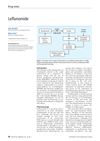 January 2018 in “Practical diabetes”
 Leflunomide is effective for rheumatoid arthritis but has significant side effects.
 September 2016 in “Journal of Dermatological Science”
 A specific mutation known for causing cancer is also found to cause a skin condition in a young girl.
 January 2016 in “Dermatology Online Journal”
 Pregnant women with blisters should be checked for bullous impetigo.
 October 2015 in “Elsevier eBooks”
 Pramipexole can cause side effects like dizziness, sleepiness, hallucinations, and low blood pressure, and it's important to educate patients and keep doses low.
December 2014 in “Journal of Biomedical Research” Recombinant thymosin β4 promotes blood vessel growth and reduces muscle damage.
July 2013 in “Edinburgh Research Archive (University of Edinburgh)” Dutasteride may reduce insulin sensitivity and increase body fat.
February 2013 in “Pediatrics in Review” The girl's symptoms suggest a complex condition that's hard to diagnose despite normal test results.
September 2011 in “Chinese Journal of Dermatology” A man's skin condition was misdiagnosed and later identified as a rare type of skin cancer, which did not improve with treatment.
 June 2011 in “Journal of clinical and experimental investigations”
 Oral zinc sulphate is an effective and safe treatment for thallium poisoning.
 January 2010 in “Springer eBooks”
 Pubic hair transplantation can help women with little to no pubic hair, using scalp hair for a natural look and requires careful aftercare.
 December 2007 in “Röntgenpraxis”
 Popliteal Artery Entrapment Syndrome (PAES) is a rare but possible cause of leg pain during walking, even in untrained women.
January 2005 in “Elsevier eBooks” Insulin resistance and hyperinsulinism are linked to fertility issues and can worsen symptoms of PCOS.
September 2004 in “Experimental Dermatology” Stress and certain chemicals affect hair growth by interacting with the immune and nervous systems.
 August 2001 in “Veterinary Dermatology”
 The meeting presented findings on effective treatments for various pet skin conditions and insights into the immune responses of dogs with atopic dermatitis.
 January 1994 in “Nippon Ronen Igakkai Zasshi Japanese Journal of Geriatrics”
 Both VEPA and ML-Y1 treatments are not effective enough for elderly non-Hodgkin's lymphoma patients.
Spironolactone was effective in reducing hair growth in women with hirsutism.
 September 2015 in “Journal of Steroids & Hormonal Science”
 Inositol and folic acid treatment significantly reduced hair loss and other symptoms in patients with androgenetic alopecia, but more research is needed for confirmation.
478 citations
,
September 1996 in “Proceedings of the National Academy of Sciences” Overexpression of PTHrP in chondrocytes causes short-limbed dwarfism and delayed bone formation in mice.
 27 citations
,
September 2008 in “British Journal of Dermatology”
27 citations
,
September 2008 in “British Journal of Dermatology” Traction may not be the only cause of cicatricial marginal alopecia.
 16 citations
,
April 2011 in “Recent Patents on Inflammation & Allergy Drug Discovery”
16 citations
,
April 2011 in “Recent Patents on Inflammation & Allergy Drug Discovery” Alopecia Areata is an autoimmune disease causing hair loss in patches, often starting before age 20, and while some cases recover on their own, treatments include topical corticosteroids, minoxidil, and promising new methods like IL-31 antibodies and 308-nm Excimer laser therapy.
15 citations
,
October 1996 in “Archives of Dermatology” Researchers identified a new hair loss pattern called "sisaipho type," where hair is lost across the scalp except around the edges.
5 citations
,
January 2012 in “Journal of Cosmetics Dermatological Sciences and Applications” Malassezia Folliculitis and truncal acne are different conditions requiring different treatments.
 5 citations
,
January 2004 in “Biochimie”
5 citations
,
January 2004 in “Biochimie” Arsenic trioxide effectively treats APL, improving survival rates despite its toxicity.
4 citations
,
January 2000 in “Durham e-Theses (Durham University)” Hair follicles help wounds heal faster, especially in active growth phase skin.
2 citations
,
March 2025 in “Cancer Gene Therapy” Targeting Sirt1 can reduce androgen levels and slow glioblastoma growth.