 January 2023 in “Indian Dermatology Online Journal”
 Micropigmentation is a cosmetic tattooing technique for hiding skin issues and creating permanent makeup, but it can have side effects.
18 citations
,
March 2015 in “Journal of Investigative Dermatology” Silencing certain circadian clock genes increases skin pigmentation.
 13 citations
,
January 2009 in “The Open Dermatology Journal”
13 citations
,
January 2009 in “The Open Dermatology Journal” Oral pigmentation can be a sign of Addison's disease.
 8 citations
,
July 2018 in “European Journal of Dermatology”
8 citations
,
July 2018 in “European Journal of Dermatology” A medication may help with hair growth in psoriasis, and a skin condition might be linked to a specific bacteria.
12 citations
,
January 2021 in “Dermatology Research and Practice” The 1927 nm Thulium laser effectively and safely treats postinflammatory hyperpigmentation in darker skin tones.
June 2026 in “British Journal of Dermatology” Photodynamic therapy for actinic keratosis can cause permanent hair loss.
April 2015 in “Dentistry 3000” Premature hair graying in the face may be influenced by genetics and environment.
2 citations
,
July 2016 in “Veterinary dermatology” Hyperaesthetic leucotrichia in horses causes painful, recurring skin lesions and hair color changes, especially in Arabian and American paint horses.

An elderly woman developed severe skin discoloration after homeopathic knee injections, but the exact cause is unclear.
11 citations
,
April 2013 in “Homo” Darker skin in 10-year-old girls may be an early sign of puberty.
February 2022 in “Authorea (Authorea)” PAON shows skin patterns due to genetic mosaicism.
450 citations
,
January 2005 in “The journal of investigative dermatology/Journal of investigative dermatology” Hair color is determined by melanin produced and transferred in hair follicles.
March 2026 in “Journal of Investigative Dermatology”  5 citations
,
March 2023 in “Journal of the American Academy of Dermatology”
5 citations
,
March 2023 in “Journal of the American Academy of Dermatology” Prurigo pigmentosa mainly affects middle-aged White and Asian women, often linked to a ketogenic diet, and is best treated with oral antibiotics.
 November 2024 in “Karnataka Pediatric Journal”
 Chikungunya can cause hyperpigmentation in children and should be considered in diagnosis.
December 2014 in “Actas dermo-sifiliográficas/Actas dermo-sifiliográficas” Hair removal with intense pulsed light can cause rare skin lesions that are hard to fully treat.
8 citations
,
January 2017 in “Korean Journal of Physiology and Pharmacology” Pimecrolimus boosts melanin production and movement of skin pigment cells.
10 citations
,
April 2004 in “Journal of the American Academy of Dermatology” Localized hair growth and fat loss may share a common cause in lupus panniculitis.
13 citations
,
January 2001 in “Pediatric dermatology” A dark-haired Chinese girl had hair that looked banded under certain light but was normal under a microscope.
September 2022 in “Frontiers in Medicine” New treatments and drugs show promise for improving skin pigmentation and regeneration.
 5 citations
,
October 2021 in “Dermatologic Surgery”
5 citations
,
October 2021 in “Dermatologic Surgery” Platelet-rich plasma (PRP) can significantly improve melasma, a skin pigmentation disorder, but may not add benefits when used with certain other treatments.
 October 2023 in “bioRxiv (Cold Spring Harbor Laboratory)”
 Early regulatory T cells are crucial for normal skin pigmentation.
 January 1999 in “Journal of the European Academy of Dermatology and Venereology”
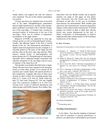
 RAPK is a rare skin disorder with pigmented spots, mainly on hands and feet, starting in youth.
23 citations
,
May 2017 in “Journal of the American Academy of Dermatology” FFA patients have fewer melanocytes and thinner skin compared to others.
August 2025 in “Annals of African Medicine”  9 citations
,
November 2017 in “Journal of Glaucoma”
9 citations
,
November 2017 in “Journal of Glaucoma” Latanoprost eye drops may cause skin depigmentation.
16 citations
,
February 2008 in “PubMed” Vitamin B12 deficiency can cause skin darkening and white hair, but it's reversible.
11 citations
,
August 1986 in “Archives of Dermatology” Vitamin B12 deficiency can cause skin and hair color changes, which can be reversed with treatment.
 6 citations
,
November 2011 in “Journal of Dermatological Science”
6 citations
,
November 2011 in “Journal of Dermatological Science” A new gene mutation may allow some piebaldism patients to regain skin color in white patches.
 1 citations
,
January 2015 in “Journal of Pigmentary Disorders”
1 citations
,
January 2015 in “Journal of Pigmentary Disorders” Melasma is a skin condition linked to female hormones, genetics, UV exposure, and certain medications, but not to pituitary, adrenal, or thyroid diseases.