 November 2009 in “Reactions Weekly”
 Two women lost hair after mesotherapy for hair loss, with one having permanent and the other temporary hair loss.

Androgenetic alopecia (AGA) is a common, hereditary hair loss condition that can be slowed but not permanently reversed with available therapies.
January 2017 in “Touro Scholar (Touro College)” Hair loss can be managed and sometimes reversed with certain drugs, but not permanently cured.
124 citations
,
July 1997 in “Journal of Biological Chemistry” Overexpressing a specific enzyme in mice causes hair loss and female infertility.
 30 citations
,
January 2014 in “Dermatologic Clinics”
30 citations
,
January 2014 in “Dermatologic Clinics” Tight hairstyles, especially on chemically treated hair, can cause reversible hair loss if caught early but may become permanent if not addressed.
 9 citations
,
July 2017 in “Dermatologic Therapy”
9 citations
,
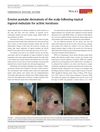
July 2017 in “Dermatologic Therapy” Two elderly men developed scalp inflammation after using a gel for skin lesions, which healed with treatment except for some permanent hair loss.
 9 citations
,
January 2010
9 citations
,
January 2010 The herbal hair dye is a safe and eco-friendly alternative to conventional dyes.
 1 citations
,
April 2012 in “Informa Healthcare eBooks”
1 citations
,
April 2012 in “Informa Healthcare eBooks” Some medications for inflammation can cause a condition with scalp rashes and hair loss, often linked to Crohn's disease, and may require treatment changes to prevent permanent hair loss.
September 2019 in “The journal of investigative dermatology/Journal of investigative dermatology” PPARγ signaling modulation can protect hair follicle stem cells from chemotherapy-induced damage.
 July 2018 in “Elsevier eBooks”
 Some drugs can cause reversible hair loss, but certain chemotherapy drugs may lead to permanent hair loss; drugs can also change hair color and texture.
 September 2017 in “Pediatric Dermatology”
 The letter agrees that adults can get contact alopecia, which improves with allergen avoidance, and stresses early diagnosis to prevent permanent hair loss.

Different hair and nail conditions can indicate health issues and have specific treatments; accurate diagnosis is crucial before treatment.
 January 2013 in “Springer eBooks”
 Hair care products are important for appearance and self-esteem, and choosing the right ones can help maintain healthy hair.
 62 citations
,
June 2015 in “Sexually Transmitted Infections”
62 citations
,
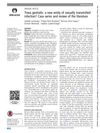
June 2015 in “Sexually Transmitted Infections” Sexual activity can spread T. interdigitale, needing quick antifungal treatment to avoid permanent scarring.
 44 citations
,
August 2010 in “Lupus”
44 citations
,
August 2010 in “Lupus” Lupus can affect the scalp and nails, often causing hair loss and nail damage, and needs early aggressive treatment to prevent permanent damage.
 7 citations
,
October 2019 in “Klinická onkologie”
7 citations
,
October 2019 in “Klinická onkologie” Cancer treatments often cause hair loss and damage, affecting patients' mental health.
 3 citations
,
February 1997 in “Annals of Plastic Surgery”
3 citations
,
February 1997 in “Annals of Plastic Surgery” The document concludes that successful hair restoration surgery should consider facial proportions and balance, and requires surgical skill, artistic judgment, and realistic goals for a natural look.
 1 citations
,
January 2021 in “Skin appendage disorders”
1 citations
,
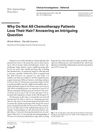
January 2021 in “Skin appendage disorders” Chemotherapy patients don't all lose their hair due to factors like hair growth rates, age, genetics, and the type of drugs used.

Hair and scalp camouflage techniques help people with hair loss feel more confident by making hair look denser.
 September 2003 in “Clinics in Family Practice”
 Different hair diseases affect people during childbearing years, with treatments ranging from medication to psychological support.
 6 citations
,
May 2003 in “PubMed”
6 citations
,
May 2003 in “PubMed” Small amounts of DNA can be found in the hair shaft, especially near the root, but it decreases with hair treatments and washing.
150 citations
,
July 2001 in “Clinics in dermatology” Proper haircare and communication with doctors are key to managing hair loss and avoiding damage.
 40 citations
,
August 2006 in “Current Drug Safety”
40 citations
,
August 2006 in “Current Drug Safety” Some drugs can cause hair loss, excessive growth, or color changes, often reversible but sometimes permanent.
 12 citations
,
January 2021 in “Journal of Investigative Dermatology”
12 citations
,
January 2021 in “Journal of Investigative Dermatology” Hair follicle studies suggest that maintaining telomere length could help treat hair loss and graying, but it's uncertain if mouse results apply to humans.
 4 citations
,
February 2022 in “JAAD case reports”
4 citations
,
February 2022 in “JAAD case reports” The document concludes that low-dose oral minoxidil successfully regrew hair in a patient with permanent hair loss after chemotherapy and stem cell transplant.
 March 2026 in “Frontiers in Medicine”
 Different types of alopecia cause hair loss due to immune system issues, with some allowing regrowth and others causing permanent loss.
April 2019 in “The journal of investigative dermatology/Journal of investigative dermatology” A specific mutation in the TRPV3 gene causes hair follicle cells to develop improperly, leading to hair loss.
 1 citations
,
May 2016 in “Hair transplant forum international”
1 citations
,
May 2016 in “Hair transplant forum international” Using scalp micropigmentation (a special tattoo technique) with hair transplantation can effectively treat hair loss, especially for those with low donor density or those unsuitable for only hair transplantation.
 July 2007 in “Clinical Risk”
 A woman got severe scalp burns from a salon's improper hair bleaching treatment.
 January 2010 in “Elsevier eBooks”
 The document concludes that different types of hair loss have specific treatments, and early diagnosis is crucial for preventing permanent hair loss.