 May 2025 in “The Journal of Rheumatology”
 Anifrolumab may help improve symptoms in patients with overlapping autoimmune diseases.
 May 2025 in “The Journal of Rheumatology”
 Proactive physical therapy improved mobility, reduced fatigue, and pain in lupus patients.
 May 2025 in “The Journal of Rheumatology”
 Anti-CD19 therapy may help treat SLE and NMOSD.
 May 2025 in “The Journal of Rheumatology”
 Early recognition and management of gastrointestinal tuberculosis in lupus patients are crucial to prevent complications.
 May 2025 in “The Journal of Rheumatology”
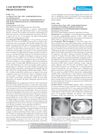
 Catatonia can be a rare sign of lupus, needing careful diagnosis and treatment.
 May 2025 in “The Journal of Rheumatology”
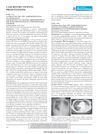
 Purpura fulminans can signal underlying autoimmune disorders, not just infections.
 May 2025 in “The Journal of Rheumatology”
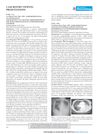
 Lupus patients in Ghana face healthcare challenges, and the Oyemam Autoimmune Foundation is working to improve awareness and support.
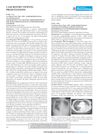
May 2025 in “The Journal of Rheumatology” Bullous lupus can cause severe esophageal issues but responds well to corticosteroids and azathioprine.
 May 2025 in “The Journal of Rheumatology”
 Atypical symptoms in lupus can indicate different kidney issues.
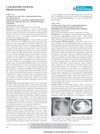 May 2025 in “The Journal of Rheumatology”
 Correct diagnosis is crucial for treating overlapping conditions like NMOSD and SLE effectively.
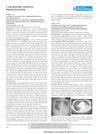 May 2025 in “The Journal of Rheumatology”
 Middle-aged women with dilated cardiomyopathy should be screened for antiphospholipid syndrome.
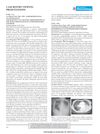 May 2025 in “The Journal of Rheumatology”
 Early recognition and a team approach are crucial for managing diffuse alveolar hemorrhage in antiphospholipid syndrome.
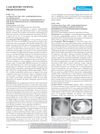 May 2025 in “The Journal of Rheumatology”
 Antiphospholipid syndrome can severely damage adrenal glands, requiring early diagnosis and treatment.
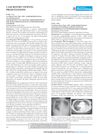 May 2025 in “The Journal of Rheumatology”
 SLE can cause unusual gastrointestinal symptoms, and immunosuppressive therapy can be effective.
 April 2025 in “International Journal of Ayurveda and Pharma Research”
 Ayurvedic treatment can reverse premature graying and improve hair health.

Tridax procumbens may boost the immune system.
 January 2025 in “The World Journal of Men s Health”
 Intratesticular PRP injections are safe but not proven to improve sperm retrieval in certain infertile men.
 December 2024 in “Turkish Journal of Forensic Medicine”
 Next-Generation Sequencing improves forensic analysis by providing detailed genetic information quickly.
 September 2024 in “International Journal of Pharmaceutical Quality Assurance”
 Shirodhara may help improve mental well-being, but more research is needed.
 March 2024 in “Journal of Applied and Natural Science”
 Mentha spicata leaves lower testosterone and aggression in female rats.
 January 2024 in “International Research Journal of Ayurveda & Yoga”
 Ayurvedic treatments can effectively regrow hair in alopecia areata.
 January 2024 in “Jurnal Ilmu Kesehatan Hewan”
 Oreo the dog got better from skin and worm infections after treatment and cleaner living conditions.
 April 2023 in “Research Square (Research Square)”
 A young woman had a rare, aggressive ovarian tumor that was hard to diagnose and treat, leading to disease progression despite treatment.
 September 2022 in “Tropical grasslands-Forrajes tropicales”
 Leucaena feed helps farmers grow larger cattle herds and is good for fattening, but its safety for breeding cows is unclear.
 January 2022 in “Dermatology Review”
 Higher IL-31 levels are linked to worse itching in chronic kidney disease patients.
 October 2021 in “Acta Scientific Medical Sciences”
 A woman was diagnosed with a rare adrenal gland cancer that did not show usual hormone-related symptoms.
 July 2020 in “International journal for research in applied science and engineering technology”
 The herbal shampoo made from local plants can reduce hair loss and promote hair growth.
Wildebeest stress and hormone levels are influenced by food availability, human presence, and reproductive cycles.
 April 2015 in “Andrology”
 HNG may help prevent the negative effects of chemotherapy on sperm production and white blood cell counts.
 September 2008 in “Fertility and Sterility”
 Free fatty acids may increase androgen production, potentially contributing to polycystic ovary syndrome.