January 2002 in “Chinese Journal of Pharmaceuticals” A new method was developed to make a compound used in finasteride and epristeride with a 69% yield.
8 citations
,
December 2003 in “Experimental Dermatology” Altering the keratin 17 gene in mice hair follicles caused temporary hair issues, but changes were minimal and short-lived.
 2 citations
,
July 2020 in “International Journal for Research in Applied Science and Engineering Technology”
2 citations
,
July 2020 in “International Journal for Research in Applied Science and Engineering Technology” Pseudomonas DL17 can completely break down the harmful dye Sunset Yellow FCF in 48 hours.
305 citations
,
March 2008 in “AJP Endocrinology and Metabolism” SSAT is a key enzyme affecting cell growth and metabolism, with potential but risky use in disease treatment.
13 citations
,
June 2024 in “Frontiers in Genetics” About 50% of 46, XY DSD cases lack a genetic diagnosis, but advanced sequencing methods improve detection.
23 citations
,
October 2008 in “Journal of medicinal chemistry” PF-998425 is a new, effective, and non-phototoxic treatment for skin conditions related to androgens.
 18 citations
,
October 2005 in “International Journal of Pharmaceutics”
18 citations
,
October 2005 in “International Journal of Pharmaceutics” Adding a small amount of TPGS to minoxidil can help hair growth, but too much TPGS reduces this effect and increases minoxidil in the blood.
 9 citations
,
January 2018 in “Acta dermato-venereologica”
9 citations
,
January 2018 in “Acta dermato-venereologica” A substance called poly(I:C) increases a protein called carbonic anhydrase II in skin cells, which might help with skin defense and healing.
28 citations
,
December 2015 in “Journal of biological chemistry/The Journal of biological chemistry” Prostasin has two roles in skin: one for normal skin development without needing activation, and another for proper hair growth that requires activation.
33 citations
,
January 2008 in “Journal of Molecular Neuroscience”  December 2015 in “Vascular Pharmacology”
 Different cells affect hair follicle blood vessels, endothelial cells react differently to inflammation and oxidized fats, and prasugrel better protects heart vessels during a procedure than clopidogrel.
 April 2018 in “Journal of Investigative Dermatology”
 DPP4 is important for scarring and skin regeneration, and managing its activity could improve skin healing treatments.
 13 citations
,
December 2020 in “PLoS ONE”
13 citations
,
December 2020 in “PLoS ONE” Genetic factors influence growth and brain development in children.
 April 2024 in “Communications biology”
 Enzymes involved in Vitamin A metabolism affect hair growth and type in mice.
 April 2023 in “The journal of investigative dermatology/Journal of investigative dermatology”
 Lack of TG2 increases fat storage and lowers cell cleanup in skin oil cells.
 7 citations
,
March 2018 in “Asian-Australasian journal of animal sciences”
7 citations
,
March 2018 in “Asian-Australasian journal of animal sciences” OCIAD2 and DCN genes affect hair growth in goats by having opposite effects on a growth signaling pathway and inhibiting each other.
15 citations
,
July 2022 in “Nano Research” A cholesterol-free liposomal platform using protopanaxadiol effectively promotes hair growth and treats alopecia.
 8 citations
,
September 2021 in “EMBO Molecular Medicine”
8 citations
,
September 2021 in “EMBO Molecular Medicine” A new small peptide may help hair growth by activating a specific receptor and should be tested in humans.
 April 2018 in “Journal of Investigative Dermatology”
 Removing STAT5 from 3D-cultured human skin cells reduces their ability to grow hair.
 1 citations
,
April 2020 in “Journal of The European Academy of Dermatology and Venereology”
1 citations
,
April 2020 in “Journal of The European Academy of Dermatology and Venereology” Drugs like PDEI may help hair disorders like AGA.
8 citations
,
April 1991 in “European journal of endocrinology” 3α-AdiolG is a good marker for androgen activity in women with excessive hair growth and decreases with anti-androgen treatment.
November 2025 in “Drug Testing and Analysis” Epristeride's metabolism involves key metabolites and proteins, affecting its use in doping tests.
 March 2024 in “bioRxiv (Cold Spring Harbor Laboratory)”
 Minoxidil treatment improves heart defects in a DiGeorge syndrome model.
 2 citations
,
December 2013 in “Xenobiotica”
2 citations
,
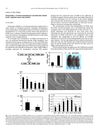
December 2013 in “Xenobiotica” Finasteride metabolites found in pigs match human studies, making pigs a valid model for human drug research.
 7 citations
,
December 2008 in “Journal of Dermatological Science”
7 citations
,
December 2008 in “Journal of Dermatological Science” Progranulin overexpression leads to shorter, thinner hair and increased cell death in mouse hair follicles.
13 citations
,
August 2005 in “Journal of Investigative Dermatology Symposium Proceedings” Mutations in the DSG4 gene cause fragile, sparse hair in humans, mice, and rats.
62 citations
,
November 2022 in “Acta Pharmaceutica Sinica B” The injectable hydrogel effectively speeds up chronic wound healing.
10 citations
,
August 2013 in “Experimental Dermatology” Hairless protein and putrescine regulate each other, affecting hair growth and skin balance.
3 citations
,
September 2018 in “Current Drug Delivery” The combination of propylene glycol and Tween® 80 improves finasteride gel effectiveness.
7 citations
,
September 2003 in “Journal of Investigative Dermatology” PAR-1 may play a role in hair growth regulation in human hair follicles.