 April 2023 in “Journal of Investigative Dermatology”
 The research found that a protein called PPARg is important for the formation and healing of sebaceous glands, which can regenerate independently from hair follicles.
56 citations
,
March 2003 in “Journal of Investigative Dermatology” 17β-estradiol can reduce inflammation in the skin.
 December 2012 in “Journal of Dermatological Science”
 Estrogen increases a growth factor in hair cells which might affect hair loss.
3 citations
,
September 2024 in “Journal of Microbiology and Biotechnology” Human placenta extract reduces inflammation and symptoms in atopic dermatitis.
December 2021 in “Figshare” BBS7 is essential for healthy gums by supporting cell movement and blood flow.
 5 citations
,
April 2018 in “Journal of Dermatological Science”
5 citations
,
April 2018 in “Journal of Dermatological Science” Adjusting estradiol-ANGPT2 levels can promote hair growth in female pattern hair loss.
 7 citations
,
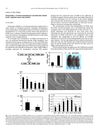
December 2008 in “Journal of Dermatological Science”
7 citations
,
December 2008 in “Journal of Dermatological Science” Progranulin overexpression leads to shorter, thinner hair and increased cell death in mouse hair follicles.
8 citations
,
July 2022 in “International Journal of Molecular Sciences” 17β-estradiol lowers polyamine oxidase levels in breast cancer cells through estrogen receptor 2.
39 citations
,
February 2011 in “The Prostate/The prostate” Some men's prostate tissues have low enzyme levels due to genetic changes, possibly affecting treatment for prostate enlargement.
22 citations
,
October 2018 in “Molecular Medicine Reports” Classic PDRN improves wound healing quality by enhancing cell migration.
Placental components enhance blood vessel growth.
 7 citations
,
April 2019 in “Aesthetic Surgery Journal”
7 citations
,
April 2019 in “Aesthetic Surgery Journal” Repeated use of platelet-rich plasma in rats caused increased pain sensitivity.
April 2011 in “Cancer Research” 20(S)-Protopanaxadiol-aglycone may help prevent and treat prostate cancer by reducing androgen receptor activity.
5 citations
,
February 2019 in “Neuroscience letters” Hormones during puberty increase certain receptors in the brain, and this change is influenced by estrogen levels.
 28 citations
,
November 2013 in “The journal of investigative dermatology/Journal of investigative dermatology”
28 citations
,
November 2013 in “The journal of investigative dermatology/Journal of investigative dermatology” GMG-43AC may help reduce unwanted hair growth and treat certain hair loss conditions.
1 citations
,
January 2025 in “Journal of Cosmetic Dermatology” Inhibiting ACE2 improves skin regeneration during tissue expansion.
February 2026 in “Biomedicine & Pharmacotherapy” MLPH helps hair grow by activating IGF-1 signaling in hair cells.
9 citations
,
October 2017 in “Frontiers in plant science” The peach gene CTG134 helps control the interaction between auxin and ethylene, which could lead to new agricultural chemicals.
16 citations
,
November 2011 in “Neuroscience Letters” Progesterone protects brain cells by converting to allopregnanolone and involving GABAA receptors.
99 citations
,
February 2000 in “PubMed” Overexpressing PKCepsilon in mice reduces papillomas but increases carcinomas.
 July 2020 in “European urology open science”
 Methylated gene parts may cause finasteride-resistance in some enlarged prostate patients.
Glypican-1 is important for hair follicle blood vessel growth and could be a target for treating hair loss.
 April 2016 in “The journal of investigative dermatology/Journal of investigative dermatology”
 RPGRIP1L helps skin cells stick together by blocking PKCβII, which can prevent skin blistering like in pemphigus.
17 citations
,
April 2006 in “Brain Research” 5α-reduced neurosteroids may help regulate glial cell differentiation.
211 citations
,
February 1994 in “Proceedings of the National Academy of Sciences” Too much parathyroid hormone-related protein in skin disrupts hair growth in mice.
January 2021 in “대한피부과학회지” The solution increased hair density safely and effectively for hair loss.
 19 citations
,
January 2015 in “Scientific Reports”
19 citations
,
January 2015 in “Scientific Reports” GPR39 is linked to certain cells in the sebaceous gland and helps with skin healing.
June 2026 in “Journal of Biomedical Materials Research Part B Applied Biomaterials” The hydrogel with cells significantly speeds up pressure ulcer healing.
December 1981 in “ビジネスコミュニケ-ション” TRPV1 affects sebaceous gland function and could help treat acne.
25 citations
,
July 2006 in “Journal of Neurochemistry” Progesterone affects GABAA receptor function by altering δ subunit levels.