September 2019 in “Zagazig university medical journal” PRP injections can help reduce hair loss in some people with Androgenetic Alopecia.
March 2023 in “Frontiers in Cell and Developmental Biology” Proteoglycans are vital for tissue growth and healing, with potential as treatment targets.
August 2020 in “Research Square (Research Square)” Enhanced stem cells can reduce fat buildup in eye tissue for Graves' disease.
 August 2024 in “UPI Journal of Pharmaceutical Medical and Health Sciences”
 PRP shows promise in musculoskeletal rehabilitation but needs standardized reporting for better outcomes.
 September 2021 in “VNU Journal of Science: Medical and Pharmaceutical Sciences”
 Platelet-rich plasma, which has growth factors, is used in many medical fields and can promote tissue repair, stimulate hair growth, and increase hair density.
PRP can improve hair growth in androgenetic alopecia, but results vary.
November 2025 in “Journal of Dermatological Treatment” PRP combined with minoxidil may help treat hair loss, but better methods and standardized practices are needed.
3 citations
,
October 2021 in “Clinical, Cosmetic and Investigational Dermatology” Setipiprant did not significantly improve hair growth in men with hair loss.
 45 citations
,
September 2018 in “International Journal of Women's Dermatology”
45 citations
,
September 2018 in “International Journal of Women's Dermatology” PRP shows promise for hair loss treatment, with three initial monthly injections and maintenance every 3-6 months.
21 citations
,
November 2019 in “Molecular & Cellular Proteomics” Citrullinated proteins from Porphyromonas gingivalis may contribute to rheumatoid arthritis.
 December 2024 in “Biological and Clinical Sciences Research Journal”
 Injectable platelet-rich fibrin (I-PRF) is more effective than platelet-rich plasma (PRP) for treating hair loss.
1 citations
,
November 2024 in “Revista Foco” PRP effectively and safely reduces wrinkles and rejuvenates skin.
GPC1 is important for hair growth by helping blood vessels form around hair follicles.
 1 citations
,
February 2020 in “International journal of research in dermatology”
1 citations
,
February 2020 in “International journal of research in dermatology” PRP therapy is effective for hair loss, skin rejuvenation, wound healing, and scar treatment.
The review found that PRP is the most effective treatment for hair loss with few side effects.

Platelet-rich plasma is effective and safe for treating hair loss in kids.
 April 2016 in “The journal of investigative dermatology/Journal of investigative dermatology”
 RPGRIP1L helps skin cells stick together by blocking PKCβII, which can prevent skin blistering like in pemphigus.
January 2009 in “Journal of Jilin Medical College” SDG helps reduce BPH effects in rats.
 18 citations
,
October 2005 in “International Journal of Pharmaceutics”
18 citations
,
October 2005 in “International Journal of Pharmaceutics” Adding a small amount of TPGS to minoxidil can help hair growth, but too much TPGS reduces this effect and increases minoxidil in the blood.
 October 2023 in “International Journal of Dermatology and Venereology”
 Platelet-rich plasma may help with hair loss from androgenetic alopecia.
 September 2023 in “Medical & Clinical Case Reports Journal”
 Platelet-Rich Plasma (PRP) may increase hair density and thickness in Androgenetic Alopecia, but it's not significantly better than a placebo.
January 2015 in “Spectrum Research Repository (Concordia University)” Porcine PRP can replace FBS and may promote hair growth.
3 citations
,
March 2013 in “PubMed” PRP speeds up hair growth and increases hair follicle density in mice.
February 2017 in “Spectrum Research Repository (Concordia University)” Porcine PRP can replace FBS and promote hair growth.
 January 2025 in “Investigative and Clinical Urology”
 SHPro® improved urinary symptoms and erectile function in men and is safe.
 3 citations
,
May 2011 in “Journal of the American Academy of Dermatology”
3 citations
,
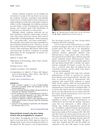
May 2011 in “Journal of the American Academy of Dermatology” A woman's excessive hair growth around a leg ulcer was linked to a treatment with Prostaglandin E1 ointment.
 October 2024 in “Archives of Dermatological Research”
 Higher GPER-1 levels are linked to more severe and shorter-duration androgenetic alopecia, suggesting GPER-1 as a potential treatment target.
3 citations
,
February 2018 in “Experimental and Molecular Medicine/Experimental and molecular medicine” A protein called PCBP2 controls the production of a hair growth protein by interacting with its genetic message and is linked to hair loss when this control is disrupted.
 May 2025 in “Medical Science Monitor”
 Concentrated growth factor shows promise for treating hair loss but needs more research.
 August 2024 in “Plant Signaling & Behavior”
 OsPRX83 helps rice survive stress by improving stress response and antioxidant activity.