 9 citations
,
December 2024 in “Nano Research”
9 citations
,
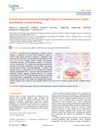
December 2024 in “Nano Research” A protein-based hydrogel helps heal diabetic wounds and repair nerves.
 July 2026 in “Current Issues in Molecular Biology”
 Plerixafor may help restore skin pigmentation safely.
 March 2026 in “Preprints.org”
 Plerixafor may help treat pigmentation disorders by promoting skin repigmentation.
6 citations
,
August 2022 in “International journal of molecular sciences” α-Phellandrene may help prevent hair loss by increasing growth factors and cell growth in hair cells through a specific signaling pathway.
 3 citations
,
June 1983 in “Archives of Dermatology”
3 citations
,
June 1983 in “Archives of Dermatology” Aminopterin effectively improves skin conditions but has toxic side effects that need careful monitoring.
 17 citations
,
December 2010 in “Journal of Investigative Dermatology”
17 citations
,
December 2010 in “Journal of Investigative Dermatology” Flightless I protein affects hair growth, with low levels delaying it and high levels increasing hair length in rodents.
 8 citations
,
September 2021 in “EMBO Molecular Medicine”
8 citations
,
September 2021 in “EMBO Molecular Medicine” A new small peptide may help hair growth by activating a specific receptor and should be tested in humans.
 86 citations
,
July 2002 in “Clinical and Experimental Dermatology”
86 citations
,
July 2002 in “Clinical and Experimental Dermatology” FPHL is a common, age-related, genetic hair loss with unclear causes and limited treatment options.
November 2019 in “British Journal of Dermatology” FOL-005 peptide may help treat excessive hair growth safely.
 February 2021 in “Dermatologic Therapy”
 Injections improve hair growth, density, and thickness in women safely.
38 citations
,
April 2020 in “IntechOpen eBooks” Phenylalanine may help with depression but can cause issues if not properly processed.
3 citations
,
May 2019 in “Journal of Cosmetic Dermatology” Pro-Ile could be used in cosmetics to improve skin, hair growth, and healing.
 23 citations
,
June 1950 in “American journal of diseases of children”
23 citations
,
June 1950 in “American journal of diseases of children” Aminopterin was somewhat effective in acute lymphoblastic leukemia in children but did not increase survival time.
12 citations
,
June 2011 in “Journal of applied polymer science” L-phenylalanine and hydrolyzed eggwhite protein deeply penetrate human hair.
January 2025 in “Biochemical Pharmacology” Peficitinib can turn human fibroblasts into cells that help grow hair.
 8 citations
,
September 2016 in “Journal of Investigative Dermatology”
8 citations
,
September 2016 in “Journal of Investigative Dermatology” Mice with more Flightless I protein grew back their claws better after amputation.
 15 citations
,
July 2020 in “Dermatologic Therapy”
15 citations
,
July 2020 in “Dermatologic Therapy” FPHL is common in women, influenced by genetics and hormones, and can be treated with medications, laser therapy, or hair transplantation.
 April 2016 in “Journal of Investigative Dermatology”
 Phenylephrine may help prevent hair loss from pulling on the hair roots.
 24 citations
,
May 2019 in “PLOS genetics”
24 citations
,
May 2019 in “PLOS genetics” Mutations in the HEPHL1 gene cause abnormal hair and cognitive issues.

Fructus Psoraleae may help treat hair loss by inhibiting 5-α reductase and affecting the Nrf2-Keap1 pathway.
 April 2018 in “Journal of Investigative Dermatology”
 Researchers found a substance in chicken egg yolk that helps hair grow.
September 2023 in “Journal of the American Academy of Dermatology” Oral difelikefalin significantly reduces itch in notalgia paresthetica.
6 citations
,
May 2012 in “The Journal of Dermatology” Fexofenadine may help treat a difficult type of hair loss.
6 citations
,
June 1976 in “Journal of Investigative Dermatology” February 2026 in “Biomedicine & Pharmacotherapy” MLPH helps hair grow by activating IGF-1 signaling in hair cells.
 8 citations
,
January 2017 in “Stem Cells International”
8 citations
,
January 2017 in “Stem Cells International” A protein called sFRP4 from skin cells stops the development of pigment-producing cells in hair.
10 citations
,
July 2019 in “Advances in Wound Care” Reducing Flightless I protein improves wound healing by activating skin stem cells.
8 citations
,
June 2004 in “Journal of Investigative Dermatology” Certain peptides can prevent hair loss in young rats caused by a cancer drug.
May 2023 in “Journal of Cosmetic and Laser Therapy” Using multiple treatments together works better for female hair loss than using one treatment alone.
19 citations
,
September 2019 in “British Journal of Dermatology” FOL-005 peptide can reduce human hair growth by lowering FGF7 levels.