May 2005 in “Molecular Carcinogenesis” mrp/plf-mRNA can indicate tumor-promoting effects in skin.
 April 2023 in “Journal of Investigative Dermatology”
 LSD1 is essential for healthy skin development and creating the skin's protective barrier.
 19 citations
,
March 1988 in “International Journal of Dermatology”
19 citations
,
March 1988 in “International Journal of Dermatology” Hair shaft dysplasias are abnormal hair conditions that can be inherited or acquired and may signal other health issues, with limited treatment options available.
 2 citations
,
October 2023 in “Philosophical transactions - Royal Society. Biological sciences”
2 citations
,
October 2023 in “Philosophical transactions - Royal Society. Biological sciences” Enzymes that change arginine to citrulline are important for skin barrier and hair formation, and their malfunction can lead to skin conditions and hair disorders.
26 citations
,
April 2011 in “British Journal of Dermatology” New mutations in the DSG4 gene cause a rare hair condition.
 August 2025 in “Journal of Investigative Dermatology”
 Elevated luteinizing hormone contributes to female-pattern hair loss, and blocking certain channels may help prevent it.
 1 citations
,
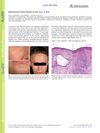
January 2019 in “Acta dermato-venereologica”
1 citations
,
January 2019 in “Acta dermato-venereologica” The woman's skin and hair symptoms were confirmed as frontal fibrosing alopecia, and while facial papules are common in such cases, there's no effective local treatment, but systemic treatments can help.
1 citations
,
October 2023 in “BMC Genomics” miRNAs in the Dlk1-Gtl2 region may improve lamb fur quality.
July 2022 in “Journal of Investigative Dermatology” TRPS1 loss in balding scalp areas contributes to hair loss in androgenic alopecia.
10 citations
,
November 2021 in “PLoS ONE” The T allele of the PTPN22 gene may increase the risk of alopecia areata.
 September 2022 in “The American Journal of Dermatopathology”
 Blocking IL-17 might help treat the hair loss condition Lichen planopilaris.
 28 citations
,
December 2018 in “Plant, cell & environment/Plant, cell and environment”
28 citations
,
December 2018 in “Plant, cell & environment/Plant, cell and environment” A protein called PLC2 is important for the growth and development of plant roots influenced by auxin.
Linalool in personal care products may worsen frontal fibrosing alopecia by damaging hair follicle stem cells and triggering harmful immune responses.
 25 citations
,
December 2005 in “Molecular Genetics and Metabolism”
25 citations
,
December 2005 in “Molecular Genetics and Metabolism” Taking riboflavin and eating less lysine can help some people with a specific genetic disorder avoid brain damage.
1 citations
,
December 2020 in “Medical lasers” The laser therapy device effectively increased hair growth in people with androgenetic alopecia.
1 citations
,
July 2025 in “Frontiers in Genetics” FilaggrinHigh melanomas have active FGFR signaling and weak GNA14 and Th1 signatures.
September 2017 in “Journal of Investigative Dermatology” LRIG1 protein affects hair growth by regulating skin receptors, leading to hair loss when overexpressed.
 April 2016 in “The journal of investigative dermatology/Journal of investigative dermatology”
 RPGRIP1L helps skin cells stick together by blocking PKCβII, which can prevent skin blistering like in pemphigus.
 64 citations
,
January 2005 in “International Journal of Dermatology”
64 citations
,
January 2005 in “International Journal of Dermatology” Hair transplant destroyed by lichen planopilaris.
July 2025 in “Cell & Bioscience” Specific immune cells and pathways contribute to hair follicle inflammation and hair loss, suggesting potential treatments for lichen planopilaris.
 1 citations
,
April 2018 in “Journal of Investigative Dermatology”
1 citations
,
April 2018 in “Journal of Investigative Dermatology” PRC1 is essential for proper skin development and stem cell formation by controlling gene activity.
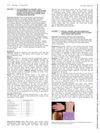
A TNFAIP3 gene mutation can cause unusual and varied symptoms of lupus and Sjogren's syndrome.
 2 citations
,
August 2012 in “Journal of the American Academy of Dermatology”
2 citations
,
August 2012 in “Journal of the American Academy of Dermatology” Two patients with the same genetic mutation had both blistering skin and easily pulled out hair.
September 2017 in “The journal of investigative dermatology/Journal of investigative dermatology” N-acetyl-GED may help prevent and partially reverse a process that leads to scarring hair loss.
Enhanced stem cells from the placenta can reduce fat cell formation in eye disease.
August 2020 in “Research Square (Research Square)” Enhanced stem cells can reduce fat buildup in eye tissue for Graves' disease.
20 citations
,
January 2002 in “Laboratory Animals” Mutations in the hairless gene cause hair loss and skin cysts in rhesus macaques.
13 citations
,
June 2006 in “Fertility and Sterility” Nonclassic 21-hydroxylase deficiency is a common, treatable genetic disorder causing reversible symptoms like acne and hair loss.
November 2018 in “Journal of Investigative Dermatology” Lichen Planopilaris causes irreversible hair loss due to immune attacks on hair stem cells, but modulating PPAR-γ might help treat it.
36 citations
,
July 1996 in “The journal of investigative dermatology/Journal of investigative dermatology” Mice with the 'lanceolate hair' mutation have abnormal hair and skin similar to human Netherton's syndrome.