Search
for
Sort by
Research
720-750 / 1000+ resultsresearch Ultrastructure study of hair damage after ultraviolet irradiation
UV treatment can damage hair, so protection is advised.

research Quantitative morphometric analysis of intrinsic and extrinsic skin ageing in individuals with Fitzpatrick skin types II–III
Skin thickness decreases and structural changes occur with both ageing and sun exposure in certain skin types.
research Photosensitization Outbreak in Shorthorn Calves in Missouri
Shorthorn calves in Missouri experienced photosensitization, causing skin issues and liver damage, but they eventually recovered.
research BH14 Fibrosing alopecia in a patterned distribution following photodynamic therapy for actinic keratosis: a potential trigger for scarring alopecia
Photodynamic therapy for actinic keratosis can cause permanent hair loss.

research Photobiomodulation Therapy in Plastic Surgery and Dermatology
Photobiomodulation therapy is beneficial in plastic surgery and dermatology.

research Photobiomodulation for Skin Pigmentation Disorders: A Dual-Function Treatment
Light therapy is effective and safe for treating skin color disorders like vitiligo and dark spots.
research Activity evaluation of epidermo-melanin unit and dermal damage in melasma
Melasma results from changes in the skin's pigment and structure, not just pigment cell growth.
research 0041 Comparative multi-omics highlights inflammatory monocyte-derived dendritic cells as key mediators of UVB-induced photosensitivity
Monocyte-derived dendritic cells play a key role in UVB-induced skin sensitivity and inflammation.
research Measuring oxidative damage to human hair from solar radiation and pollution: A critical review
Solar radiation and pollution damage hair, especially light-colored and bleached hair.
research Protective effect of a novel metal-phenolic network composite against ultraviolet-induced skin damage by modulating MAPK/AP-1/NF-κB signaling pathways and attenuating oxidative stress in human keratinocytes
Melamax® protects skin from UV damage and reduces inflammation and oxidative stress.
research Photoinduced formation of thiols in human hair
UV exposure damages hair, increasing thiols and altering protein structure.
research Porcine skin damage thresholds and histological damage characteristics from 1319-nm laser radiation
1319-nm laser radiation can cause skin damage, with severity depending on exposure time and beam size.

research 977 The wound healing of fractional photothermolysis mimicks scarless healing with minimal myofibroblast activation
Fractional photothermolysis helps wounds heal with minimal scarring.
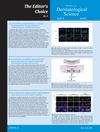
research The Editor's Choice
UV radiation may cause DNA changes in skin, certain UVB therapy helps psoriasis, a new gene mutation is linked to mild piebaldism, different immune cells affect psoriasis, a drug promotes hair growth, and some cancer drugs could treat skin barrier issues.
research Skin Changes on the Face Caused by Over-the-counter Cosmetic Creams: An Observational Study of Clinical and Dermoscopy Features
Over-the-counter cosmetic creams can cause skin damage on the face that is visible under dermoscopy and confirmed by tissue analysis.
research Laser-Induced Koebner-Related Skin Reactions: A Clinical Overview
Lasers can trigger skin reactions, especially in darker skin, and more research is needed to improve treatments.
research Chemical Leukoderma from Hair Dye Containing para-Phenylenediamine
Hair dye with para-phenylenediamine can cause skin depigmentation.
research Recent advances in understanding of radiation-induced skin tissue reactions with respect to acute tissue injury and late adverse effect
Understanding skin reactions to radiation has improved, helping to reduce injuries and prevent skin cancer.
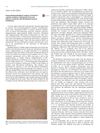
research Immunohistopathological analysis of frizzled-4-positive immature melanocytes from hair follicles of patients with Rhododenol-induced leukoderma
Rhododendrol in skin-whitening products can cause skin depigmentation and immune reactions.
research Radiation Dermatitis: Radiation-Induced Effects on the Structural and Immunological Barrier Function of the Epidermis
Radiation therapy damages skin structure and immune function, causing inflammation and potential hair loss.
research CHARACTERIZATION OF PHOTOSENSITIZING EFFECTS BY TOPICAL DELIVERY OF ALPHA-TERTHIENYL AND UVA
Topical alpha-terthienyl with UVA may safely treat psoriasis without cancer risk.

research 642 Uncovering the role of UV exposure history and genetics in determining skin sun damage
UV photography can help identify people at higher risk for skin cancer, and male pattern baldness at age 45 is linked to a higher risk of certain skin cancers.

research State of the art of photobiomodulation in Dermatology
Photobiomodulation effectively improves skin and hair conditions with minimal side effects.
research The Therapeutic and Preventive Effects of Light‐Emitting Diode (LED) for Post‐Inflammatory Erythema and Hyperpigmentation: A Pilot Study
830 nm LED light effectively treats and prevents skin redness and dark spots, while 590 nm LED light only helps prevent them.

research Skin cancer in patients treated with photobiomodulation for alopecia: a retrospective chart review
No increased skin cancer risk was found in alopecia patients treated with photobiomodulation.

research An ultrastuctural study of hair fiber damage and restoration following treatment with permanent hair dye
Permanent hair dye damages hair but it mostly recovers after 8 weeks; using certain hair care products can help repair it.

research Accelerated senescence in skin in a murine model of radiation-induced multi-organ injury
High-dose radiation speeds up aging in skin stem cells.
research 14 Dermatological drugs, topical agents, and cosmetics
Dermatological treatments can have significant side effects, including allergic reactions, sexual dysfunction, and increased cancer risk.
research Impact of ultraviolet radiation‐induced damage to hair fiber integrity: A multi‐technique physicochemical characterization of surface and cortex properties
UV radiation damages hair similar to bleaching, but double bleaching causes more severe protein degradation.