 January 2009 in “Actas dermo-sifiliográficas/Actas dermo-sifiliográficas”
 Lasers and light treatments are now the most common ways to remove hair.
11 citations
,
November 2002 in “Dermatologic Surgery” IPL can cause unexpected hair growth in nearby untreated areas.
5 citations
,
November 2015 in “Journal of Cosmetic Dermatology” Effective pain relief methods for photoepilation include topical anesthetics, cooling devices, and skin stimulation.
 4 citations
,
March 2013 in “The American Journal of Cosmetic Surgery”
4 citations
,
March 2013 in “The American Journal of Cosmetic Surgery” Melanin absorbing light is necessary but not enough for effective hair removal by light treatment.
 2 citations
,
March 2019 in “Lasers in surgery and medicine”
2 citations
,
March 2019 in “Lasers in surgery and medicine” Higher light doses cause more damage to hair follicles, predicting better hair removal results.
1 citations
,
August 2010 in “Journal of dermatology” Photoepilation significantly reduces hair, and phototrichograms can objectively measure its effectiveness.
1 citations
,
June 2006 in “Journal of Cosmetic Dermatology” Photoepilation may disrupt normal wound healing and increase the risk of scars.
 134 citations
,
September 2008 in “Lasers in surgery and medicine”
134 citations
,
September 2008 in “Lasers in surgery and medicine” Low fluence photoepilation temporarily removes hair by targeting the hair follicle's pigmented area without severe damage.
33 citations
,
April 2015 in “Cochrane library” Some medicines can reduce excessive hair growth in women, but more research is needed to compare treatments and consider side effects.
30 citations
,
February 2016 in “British journal of dermatology/British journal of dermatology, Supplement” Some medications can reduce excessive hair growth in women, but more research is needed to find the best treatment combinations.
502 citations
,
February 2008 in “The Journal of Clinical Endocrinology & Metabolism” Treat significant hirsutism with medication and hair removal; use birth control pills first, adding antiandrogens if needed.
 66 citations
,
September 2008 in “Dermatologic therapy”
66 citations
,
September 2008 in “Dermatologic therapy” The conclusion is that the best initial treatment for hirsutism is usually oral contraceptives, with the addition of antiandrogens or insulin sensitizers if needed, and topical eflornithine or laser treatments as supplementary options.
 30 citations
,
December 2018 in “Trends in Endocrinology and Metabolism”
30 citations
,
December 2018 in “Trends in Endocrinology and Metabolism” Both immature and mature fat cells are important for hair growth cycles, with immature cells promoting growth and mature cells possibly inhibiting it.
 25 citations
,
October 2012 in “Dermatologic clinics”
25 citations
,
October 2012 in “Dermatologic clinics” Laser and light treatments can effectively remove hair long-term.
11 citations
,
August 2019 in “PubMed” Hirsutism in women is mostly caused by polycystic ovary syndrome and idiopathic hyperandrogenism.
 4 citations
,
July 2021 in “Dermatology and therapy”
4 citations
,
July 2021 in “Dermatology and therapy” Hormone therapy increases facial and body hair in transgender men, while hair removal improves well-being in transgender women, but cost is a barrier as insurance often doesn't cover it. Dermatologists can use various treatments for these hair issues.
Effective treatments for hirsutism include antiandrogens, finasteride, eflornithine, and various hair removal methods.
December 2012 in “SWU eJournals System (Srinakharinwirot University)” Chemical hair removal can cause skin irritation and other issues, but natural alternatives are being explored.
September 2017 in “Journal of Investigative Dermatology” Photodynamic therapy can potentially remove nonpigmented hair by damaging hair follicles.
19 citations
,
January 1999 in “Journal of cutaneous laser therapy” Laser hair removal is a promising method for long-term or permanent hair removal.
6 citations
,
November 2001 in “Der Hautarzt” Photothermolysis is the best method for permanent hair removal.
15 citations
,
July 2001 in “Clinics in Dermatology” Current hair removal methods improve appearance but need more research for better options.
February 2016 in “Seoul National University Open Repository (Seoul National University)” Photodynamic therapy can temporarily remove nonpigmented hair but is less effective than lasers for black hair.
May 2013 in “CRC Press eBooks” Electrolysis and laser treatments offer more permanent hair removal, but have limitations.
 2 citations
,
August 2016 in “Lasers in Surgery and Medicine”
2 citations
,
August 2016 in “Lasers in Surgery and Medicine” Photodynamic therapy can remove nonpigmented hair in mice and might work for humans.
1 citations
,
August 1984 in “Therapeutische Umschau. Revue thérapeutique” Permanent hair removal with lasers is the most promising treatment for excessive hair growth.
3 citations
,
March 2013 in “QScience Connect” Photodynamic therapy with methylene blue and a laser effectively destroys hair follicles better than traditional laser hair removal.
 23 citations
,
April 1999 in “Dermatologic Clinics”
23 citations
,
April 1999 in “Dermatologic Clinics” Pulsed-intense light can significantly reduce hair, with effectiveness depending on treatment number and timing, and has mild side effects.
5 citations
,
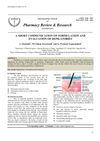
September 2021 in “PubMed” Hair removal methods vary in effectiveness and side effects, with electrolysis being the only permanent solution.
 1 citations
,
January 2013
1 citations
,
January 2013 Depilatories use chemicals to weaken hair for easy removal.