 June 2025 in “International Journal of Cosmetic Science”
 Keratin-encapsulated liposomes effectively repair and protect UV-damaged hair.
 January 2023 in “Our Dermatology Online”
 Laser hair removal is effective but may have side effects.
 160 citations
,
December 2016 in “Journal of biophotonics”
160 citations
,
December 2016 in “Journal of biophotonics” Low-level laser therapy, now called photobiomodulation, is recognized for its broad medical applications and scientific backing.
1 citations
,
February 2025 in “Photodermatology Photoimmunology & Photomedicine” 830 nm LED light effectively treats and prevents skin redness and dark spots, while 590 nm LED light only helps prevent them.
23 citations
,
May 2010 in “Surface and interface analysis” Chemical treatments and UV radiation severely damage the lipid layer on hair.
 24 citations
,
January 2006 in “Dermatologic clinics”
24 citations
,
January 2006 in “Dermatologic clinics” Hair sunscreens are important for maintaining hair's cosmetic value.
3 citations
,
April 2019 in “Journal of Mind and Medical Sciences” Photodynamic therapy shows promise for oral lichen planus but needs more research for consistent results.
 34 citations
,
August 2002 in “British Journal of Dermatology”
34 citations
,
August 2002 in “British Journal of Dermatology” ALA-PDT is effective and safe for chronic X-ray dermatitis, providing complete or partial remission.
 4 citations
,
March 2013 in “The American Journal of Cosmetic Surgery”
4 citations
,
March 2013 in “The American Journal of Cosmetic Surgery” Melanin absorbing light is necessary but not enough for effective hair removal by light treatment.
 August 1996 in “Australasian Journal of Dermatology”
 The document concludes that "Photodamage" and "Photoimmunology" are valuable resources, while "Pediatric Dermatopathology" and "Hair and Scalp Disorders" have limitations.
 23 citations
,
April 1999 in “Dermatologic Clinics”
23 citations
,
April 1999 in “Dermatologic Clinics” Pulsed-intense light can significantly reduce hair, with effectiveness depending on treatment number and timing, and has mild side effects.
January 2019 in “Dermatologic Surgery” 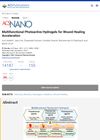 227 citations
,
December 2021 in “ACS Nano”
227 citations
,
December 2021 in “ACS Nano” Special hydrogels that respond to light can speed up wound healing and prevent infection.
 October 2022 in “Journal of Pharmaceutical Negative Results”
 Photobiomodulation therapy shows promise in treating various health conditions by using specific light wavelengths.
 1 citations
,
April 2023 in “Canadian journal of ophthalmology”
1 citations
,
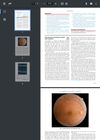
April 2023 in “Canadian journal of ophthalmology” Using a diode laser for hair removal without eye protection can cause serious eye injuries.
 October 1997 in “Dermatologic Surgery”
 The Epilight Hair Removal System is effective for temporary hair removal with few side effects, but more research is needed to confirm its safety and long-term results.
67 citations
,
September 2001 in “American Journal Of Pathology” Inhibiting ODC can prevent UV-induced skin cancer.
 December 2020 in “Lasers in Surgery and Medicine”
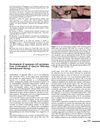
 Laser safely and effectively removes unwanted scalp micropigmentation.
 3 citations
,
May 2018 in “European Journal of Dermatology”
3 citations
,
May 2018 in “European Journal of Dermatology” Photodynamic therapy may not work for erythroplasia of Queyrat and could lead to invasive squamous cell carcinoma.
85 citations
,
January 2002 in “Dermatologic Clinics” Lasers and intense pulsed light can safely and effectively remove hair by targeting hair follicles.
69 citations
,
March 2016 in “American journal of clinical dermatology” Topical retinoids effectively improve photodamaged skin.
 September 2025 in “International Journal of Innovative Technologies in Social Science”
 Red light therapy may help rejuvenate skin and regrow hair.
May 2026 in “Journal of Photochemistry and Photobiology” Solar radiation and pollution damage hair, especially light-colored and bleached hair.
29 citations
,
July 2013 in “Journal of Investigative Dermatology” UV radiation causes skin cancer, but sunscreens and certain drugs can help prevent it.
May 2026 in “International Journal of Cosmetic Science” UV radiation damages hair similar to bleaching, but double bleaching causes more severe protein degradation.
1 citations
,
July 2025 in “Journal of Photochemistry and Photobiology B Biology” Photobiomodulation helps protect hair follicle cells from damage caused by DHT.
28 citations
,
November 2009 in “Journal of Structural Biology” High flux X-ray beams quickly damage the structure of human hair.
 37 citations
,
January 2011 in “Annals of Dermatology”
37 citations
,
January 2011 in “Annals of Dermatology” ALA-photodynamic therapy helps reduce acne by causing acne cell death and lowering certain skin protein levels.
20 citations
,
September 2022 in “Journal of Biomedical Optics” PBM helps improve cell survival in 3D tissue engineering.
January 2024 in “Defence life science journal” Light therapy can help heal soft tissue injuries and reduce pain and inflammation.