6 citations
,
August 2024 in “Advanced Science” A new method efficiently creates biaryl N-oxides with potential for cancer treatment and drug development.
 2 citations
,
September 2022
2 citations
,
September 2022 The PER3 rs772027021 SNP may cause mild skin pigmentation changes in a new subtype of dyschromatosis universalis hereditaria.
 April 2017 in “Journal of Investigative Dermatology”
 The PON1 192R gene variant is linked to a higher risk of psoriasis and heart disease in Western Mexico.
 June 2026 in “Dermatology and Therapy”
 Combining multiple ingredients is the most effective treatment for hyperpigmentation.
 March 2026 in “Preprints.org”
 Plerixafor may help treat pigmentation disorders by promoting skin repigmentation.
 21 citations
,
January 2019 in “Experimental dermatology”
21 citations
,
January 2019 in “Experimental dermatology” Light therapy using helium-neon lasers can help restore skin color in vitiligo by promoting skin cell growth and movement.
 37 citations
,
March 2018 in “Trends in Plant Science”
37 citations
,
March 2018 in “Trends in Plant Science” pH, calcium, and reactive oxygen species regulate plant cell growth, with key roles for NADPH oxidases and plasma membrane H+-ATPases.
September 2014 in “Emergency Medicine News” The man's skin condition improved with sun protection and topical steroids, but UV exposure still caused flare-ups.
13 citations
,
May 2009 in “Ozone Science and Engineering” Ozonized olive oil reduces swelling but can cause inflammation and hair loss.
 2 citations
,
November 2014
2 citations
,
November 2014 Common cosmetic dermatology techniques improve skin damaged by the sun and aging.
 9 citations
,
September 2017 in “Journal of Investigative Dermatology Symposium Proceedings”
9 citations
,
September 2017 in “Journal of Investigative Dermatology Symposium Proceedings” Prostaglandin D2 increases testosterone production in skin cells through a process involving reactive oxygen species, and antioxidants may help treat hair loss.
 16 citations
,
August 2015 in “Journal of Experimental & Clinical Cancer Research”
16 citations
,
August 2015 in “Journal of Experimental & Clinical Cancer Research” The photolyase-based device significantly changed the size and heat of potential skin cancer areas in patients.
24 citations
,
January 2023 in “Cancer Research” AMPK activation may reduce melanoma risk in red-haired individuals.
 1 citations
,
January 2009 in “Elsevier eBooks”
1 citations
,
January 2009 in “Elsevier eBooks” The document concludes that a deeper understanding of skin aging and photodamage is needed to create better skin treatments.
May 2025 in “Cellular Signalling” Oxidative stress and mitophagy play key roles in hair loss, suggesting potential treatment targets.
 April 2015 in “Experimental Dermatology”
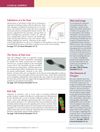
 Melanoma risk tools need improvement, certain gene mutations cause skin diseases and could be treated by targeting those mutations, skin wrinkling may relate to lung aging due to genetic factors, and oxidative stress affects hair loss but can be reduced in low oxygen.
9 citations
,
March 1993 in “Biochemical Pharmacology” Rat skin can convert minoxidil into its active form, aiding hair growth.
February 2023 in “Reactions Weekly” 116 citations
,
April 2022 in “Science Translational Medicine” The EG7 foam dressing improved wound healing and reduced inflammation better than other treatments.
 2 citations
,
January 2015 in “Sen'i Gakkaishi”
2 citations
,
January 2015 in “Sen'i Gakkaishi” Washing permed hair after using thioglycolic acid helps reform strong bonds, making hair stronger.
 53 citations
,
October 2014 in “Free radical biology & medicine”
53 citations
,
October 2014 in “Free radical biology & medicine” Defective mitochondrial DNA replication causes aging symptoms and increased oxidative damage in mice.
 63 citations
,
February 2013 in “Human cell”
63 citations
,
February 2013 in “Human cell” PEGL-DOX causes Hand-Foot Syndrome due to skin reactions from prolonged circulation and ROS generation.
 29 citations
,
January 2007 in “Dermatologic Clinics”
29 citations
,
January 2007 in “Dermatologic Clinics” Photodynamic Therapy is an effective treatment for mild to severe acne.
 July 2025 in “Underline Science Inc.”
 ROS influences the growth and structure of Arabidopsis root hairs.
 1 citations
,
July 2023 in “Biomimetics”
1 citations
,
July 2023 in “Biomimetics” A new hair treatment using a natural polyphenol complex improves hair strength, reduces static, and protects against UV damage.
 August 2025 in “Journal of Cosmetic Dermatology”
 Topical treatments and lasers can improve axillary hyperpigmentation, but no best method is established yet.
 13 citations
,
August 2019 in “Biological & Pharmaceutical Bulletin”
13 citations
,
August 2019 in “Biological & Pharmaceutical Bulletin” Certain flavonoids help grow back colored hair after skin injury.
8 citations
,
March 2015 in “Molecular Medicine Reports” Hair dye ingredient PPD causes cell death and aging in human hair cells by altering microRNA levels.
Oxidative stress, not insulin resistance, is linked to diffuse hair loss.
33 citations
,
April 2003 in “Oncogene”