 23 citations
,
January 2010 in “Journal of The American Academy of Dermatology”
23 citations
,
January 2010 in “Journal of The American Academy of Dermatology” Effective treatments for lichen planopilaris are unclear due to inconsistent results and a lack of strong research evidence.
 August 2010 in “The Journal of Dermatology”
 The document concludes that low-dose acne treatment is most suitable for moderate acne, with high patient satisfaction and low relapse rates.
 10 citations
,
June 2011 in “Archives of Dermatology”
10 citations
,
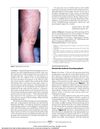
June 2011 in “Archives of Dermatology” Finasteride caused blisters on hands and feet.
 January 2021 in “Online Publication Service of Würzburg University (Würzburg University)”
 Diphenylcyclopropenon treatment for Alopecia areata is effective and safe, improving patients' quality of life.
67 citations
,
January 1992 in “Journal of Investigative Dermatology” 27 citations
,
January 1995 Melanin in black hair protects it from sun damage better than light-brown hair.
January 1991 in “Acta Dermato Venereologica” A new method effectively visualizes keratin in hair without harsh chemicals.
September 2017 in “The journal of investigative dermatology/Journal of investigative dermatology” Different types of human skin cells respond uniquely to various colors and doses of light, which could lead to specialized light treatments for skin conditions.
 May 2026 in “Bioactive Materials”
 The microneedle patch helps regrow hair by restoring enzyme function in hair follicles.
October 2024 in “Dermatology Practical & Conceptual” Trichoscopy effectively diagnoses eyebrow hair loss in certain conditions.
September 2002 in “대한피부과학회지” Koreans have lower hair density, larger hair diameter, and slower hair growth than Caucasians.
 January 2018 in “Jaypee Brothers Medical Publishers (P) Ltd. eBooks”
 Scalp micropigmentation is a process where tiny dots of pigment are tattooed onto the scalp to create the appearance of a shaved head or fuller hair.
March 2007 in “International Journal of Cosmetic Science” Hair with more melanin resists weather damage better.
 4 citations
,
July 2008 in “British journal of dermatology/British journal of dermatology, Supplement”
4 citations
,
July 2008 in “British journal of dermatology/British journal of dermatology, Supplement” Poor response to topical immunotherapy in alopecia areata patients is linked to impaired cell responses.
 April 2016 in “Journal of Investigative Dermatology” 4 citations
,
August 2015 in “Journal of Cosmetic Dermatology”
April 2016 in “Journal of Investigative Dermatology” 4 citations
,
August 2015 in “Journal of Cosmetic Dermatology” Sunscreens with UVA blockers effectively reduce skin fluorescence for several hours.
 June 2024 in “International Journal of Dermatology”
 Experienced professionals can fix bad scalp micropigmentation with good results.
Treat active lichen planopilaris early to prevent permanent hair loss.
 15 citations
,
January 2012 in “International Journal of Trichology”
15 citations
,
January 2012 in “International Journal of Trichology” Hair casts on the scalp may be a sign of ongoing pemphigus vulgaris and could suggest a need to adjust treatment.
17 citations
,
February 2025 in “Smart Medicine” The microneedle patch speeds up wound healing and prevents infection.
19 citations
,
August 1972 in “PubMed” The patient had a severe allergic reaction to gold treatment.
14 citations
,
January 2018 in “Skin Appendage Disorders” Upper eyelid hyperpigmentation can help diagnose facial lichen planus pigmentosus in patients with frontal fibrosing alopecia.
4 citations
,
April 2001 in “Experimental Dermatology” Using single dermal papillae is unreliable for analyzing androgen metabolism in hair follicles.
December 2012 in “http://isrctn.org/>”  23 citations
,
July 2021 in “International Journal of Pharmaceutics”
23 citations
,
July 2021 in “International Journal of Pharmaceutics” New dissolving and implantable microneedle patches have been created for a long-lasting, non-invasive delivery of the drug finasteride.
Cicatricial alopecia can progress to complete hair loss, making diagnosis and management difficult.
 January 2017 in “Nihon Keshouhin Gijutsushakaishi/Journal of S C C./Nihon Keshouhin Gijutsushakai kaishi”
 Sunlight and chemical treatments change hair's internal structure differently, needing specific care.
1 citations
,
January 2022 in “Annals of Dermatology” A new mutation in the MBTPS2 gene causes a mild form of IFAP syndrome.
 June 2026 in “Clinical Cosmetic and Investigational Dermatology”
 Cell-based therapies offer better repigmentation for larger vitiligo areas, with CD8+ T cell count as a potential biomarker for success.