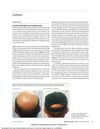
 April 2016 in “JAMA Dermatology”
 Baseball caps don't fully protect bald spots on the back of the head from sun damage; wear wide-brimmed hats or use sunscreen.
 89 citations
,
June 2012 in “Anais Brasileiros de Dermatologia”
89 citations
,
June 2012 in “Anais Brasileiros de Dermatologia” Actinic keratosis can lead to skin cancer, is more common in fair-skinned people, and can be reduced with sunscreen and treated effectively.
 September 2025 in “International Journal of Cosmetic Science”
 Heat and UV exposure damage hair structure by altering keratins.
Light exposure is crucial for health, helping prevent and treat illnesses.
4 citations
,
August 2015 in “Journal of Cosmetic Dermatology” Sunscreens with UVA blockers effectively reduce skin fluorescence for several hours.
November 2025 in “Journal of Investigative Dermatology” Light skin shows more inflammation from sun exposure than dark skin.
 10 citations
,
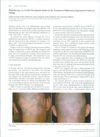
January 2010 in “Acta dermato-venereologica”
10 citations
,
January 2010 in “Acta dermato-venereologica” Light therapy can effectively treat vitiligo and hair loss caused by a specific medication.
 2 citations
,
January 2022 in “BioMed Research International”
2 citations
,
January 2022 in “BioMed Research International” LED light therapy at 863 nm wavelength can slow down skin tumor growth and reduce inflammation in mice.
11 citations
,
November 2015 in “Carcinogenesis” Deleting TNFα gene reduces skin cancer risk in certain mice.
101 citations
,
July 1998 in “Journal of Investigative Dermatology” UVB exposure in human skin causes macrophages to produce more IL-10 and less IL-12, leading to immunosuppression.
3 citations
,
October 2013 in “Photodermatology Photoimmunology & Photomedicine” The treatment is a safe and effective option for hair regrowth in patchy alopecia areata.
1 citations
,
July 2014 in “The journal of investigative dermatology/Journal of investigative dermatology” Light affects skin health, aging, and cancer risk, and new light-based treatments and imaging are promising for skin care.
Different types of sun exposure can damage skin cells and affect healing, with chronic exposure being more harmful, and certain immune cells help in the repair process.
 1 citations
,
July 2015 in “British Journal of Dermatology”
1 citations
,
July 2015 in “British Journal of Dermatology” Imiquimod improved skin pigmentation in most patients with xeroderma pigmentosum and may prevent further skin cancer, but some treatments can have side effects.
 April 2017 in “Journal of Investigative Dermatology” February 2026 in “UiTM Institutional Repositories (Universiti Teknologi MARA)”
 Cis-UCA can form new compounds without enzymes, and sulphide donors reduce its UVB-induced toxicity in skin cells.
 February 2023 in “Cosmoderma”
 Combining red LED therapy with beta-carotene is more effective for treating photoaging than red LED therapy alone.
7 citations
,
January 2002 in “PubMed” Prolonged UVB exposure causes significant skin changes and damage in rats.
 19 citations
,
October 2011 in “Clinics in Dermatology”
19 citations
,
October 2011 in “Clinics in Dermatology” New chemotherapy drugs cause skin side effects, but treatments like minocycline and tetracycline can help reduce them.
31 citations
,
January 2014 in “The Scientific World JOURNAL” Eclipta prostrata extract protects skin cells from UVB damage and has strong antioxidant properties.
79 citations
,
January 1975 in “Food and Cosmetics Toxicology” The hair dye formulations tested did not cause long-term toxicity or cancer in mice.
1 citations
,
February 2025 in “Photodermatology Photoimmunology & Photomedicine” 830 nm LED light effectively treats and prevents skin redness and dark spots, while 590 nm LED light only helps prevent them.
 October 2019 in “International journal of research in dermatology”
 Misusing topical corticosteroids can cause skin darkening and other side effects.
 9 citations
,
March 1968 in “The BMJ”
9 citations
,
March 1968 in “The BMJ” A woman's severe skin reaction was caused by an allergy to a skin treatment.

Photobiomodulation effectively improves skin and hair conditions with minimal side effects.
September 2017 in “The journal of investigative dermatology/Journal of investigative dermatology” Different types of human skin cells respond uniquely to various colors and doses of light, which could lead to specialized light treatments for skin conditions.
1 citations
,
April 2015 in “The FASEB journal” UVB exposure increases skin proteins for retinoic acid synthesis and shifts their location, possibly affecting skin repair.
9 citations
,
May 2018 in “Photochemistry and photobiology” The Hair BB Cream effectively prevents UV damage and improves hair health.
 2 citations
,
February 2022 in “Biology”
2 citations
,
February 2022 in “Biology” Blue laser light reduces energy in mouse skin cells and creates harmful oxygen compounds, possibly harming the cells.
 10 citations
,
January 1985 in “Elsevier eBooks”
10 citations
,
January 1985 in “Elsevier eBooks” Active oxygen species might be involved in skin tumor growth, but their exact role is unclear.