 5 citations
,
March 2023 in “Journal of the American Academy of Dermatology”
5 citations
,
March 2023 in “Journal of the American Academy of Dermatology” Prurigo pigmentosa mainly affects middle-aged White and Asian women, often linked to a ketogenic diet, and is best treated with oral antibiotics.
 30 citations
,
June 2006 in “British journal of dermatology/British journal of dermatology, Supplement”
30 citations
,
June 2006 in “British journal of dermatology/British journal of dermatology, Supplement” Oral zinc sulphate reduces dark hair color in mice.
 9 citations
,
January 2013 in “Journal of Cutaneous and Aesthetic Surgery”
9 citations
,
January 2013 in “Journal of Cutaneous and Aesthetic Surgery” Transplanting body hair helped repigment and treat a man's vitiligo.
18 citations
,
April 1989 in “Archives of Dermatology” Iron deficiency can cause hair color changes, which can be reversed with iron supplements.
23 citations
,
February 2003 in “British Journal of Dermatology” A rare type of skin lymphoma was identified, affecting hair follicles and sweat glands.
 2 citations
,
January 2019 in “Dermatology Review”
2 citations
,
January 2019 in “Dermatology Review” Pigmented vellus and upright regrowing hairs predict hair regrowth in severe alopecia.
 October 2023 in “Dermatology practical & conceptual”
 Folliculitis Decalvans and Frontal Fibrosing Alopecia can coexist in people with darker skin, showing features of both conditions.
8 citations
,
January 2014 in “Indian Journal of Paediatric Dermatology” Congenital atrichia with papular lesions causes permanent hair loss and skin bumps from birth.
7 citations
,
February 2012 in “British Journal of Dermatology” TH antibodies in vitiligo and AA patients recognize the same protein parts.
January 2026 in “Clinical Case Reports” Early diagnosis and treatment of Lichen Planopilaris are crucial to prevent permanent hair loss.
 1 citations
,
September 2001 in “PubMed”
1 citations
,
September 2001 in “PubMed” Phenytoin, a medication, can cause hair loss and trigger a condition similar to lupus.
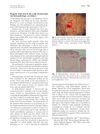 60 citations
,
September 2010 in “Journal of the American Academy of Dermatology”
60 citations
,
September 2010 in “Journal of the American Academy of Dermatology” Small white dots on the scalp seen with a dermoscope correspond to sweat ducts and vary with different hair disorders.
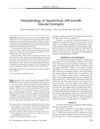 19 citations
,
May 2004 in “The American Journal of Dermatopathology”
19 citations
,
May 2004 in “The American Journal of Dermatopathology” The research found that a specific gene mutation causes fewer hair follicles and disrupted hair growth cycles, leading to thin and short hair in people with Hypotrichosis with Juvenile Macular Dystrophy.

The human scalp has different types of pigment cells in hair follicles with varying abilities to produce pigment.
September 2011 in “Chinese Journal of Dermatology” A man's skin condition was misdiagnosed and later identified as a rare type of skin cancer, which did not improve with treatment.
17 citations
,
January 2015 in “Dermatology online journal” A patient's grey hair regained color during treatment with adalimumab.
3 citations
,
May 2024 in “Skin Appendage Disorders” Trichoscopy helps diagnose and understand Discoid Lupus Erythematosus on the scalp by identifying specific patterns.
40 citations
,
November 2005 in “The journal of investigative dermatology/Journal of investigative dermatology” Different melanocyte types in hair follicles either survive or die during the catagen phase.
 10 citations
,
November 2010 in “Pigment Cell & Melanoma Research”
10 citations
,
November 2010 in “Pigment Cell & Melanoma Research” Only skin melanocytes, not other types, can color hair in mice.
1 citations
,
March 2024 in “Oxford Medical Case Reports” Moth-eaten hair loss can be a sign of syphilis.
16 citations
,
August 2000 in “British Journal of Dermatology” Removing the liver tumor improved the patient's skin condition and hair growth.
 November 2022 in “Journal of the Endocrine Society”
 Always consider xanthomatous hypophysitis before deciding on pituitary surgery.
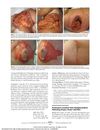 3 citations
,
May 2010 in “Archives of dermatology”
3 citations
,
May 2010 in “Archives of dermatology” Herpes zoster infection can cause permanent hair color change in the affected area.
February 2016 in “Seoul National University Open Repository (Seoul National University)” Photodynamic therapy can temporarily remove nonpigmented hair but is less effective than lasers for black hair.
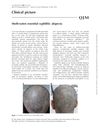 3 citations
,
July 2014 in “QJM”
3 citations
,
July 2014 in “QJM” A 35-year-old man had patchy hair loss that was actually due to syphilis, not alopecia areata.
2 citations
,
September 2018 in “Clinical and Experimental Dermatology” Pemphigus patients with alopecia have more severe and treatment-resistant disease.
13 citations
,
January 2013 in “Indian Journal of Dermatology Venereology and Leprology” Alopecia areata and vitiligo can coexist, respond well to treatment, and may have a better prognosis together.
 12 citations
,
May 2011 in “Dermatologic Clinics”
12 citations
,
May 2011 in “Dermatologic Clinics” Hair loss in autoimmune blistering skin diseases varies and may regrow with disease control.
9 citations
,
February 2002 in “International Journal of Dermatology” The patient's symptoms improved with treatment but recurred when the steroid dose was reduced, requiring ongoing therapy.
10 citations
,
January 2012 in “Case reports in medicine” Diphencyprone can cause unexpected and possibly permanent vitiligo.