Search
forProducts matching "pigment"
Tracking 3 products like 309 Skin Lite, 309 Skin Lite and 309 Skin Lite from by companies like Amazon and AllDayChemist. View all 3 products »
Sort by
Research
240-270 / 1000+ results
research Gastrointestinal polyposis with protein-losing enteropathy, abnormal skin pigmentation and loss of hair and nails (Cronkhite-Canada syndrome)
Cronkhite-Canada Syndrome often leads to death within 6-18 months.
research UDP-GlcNAc-1-Phosphotransferase Is a Clinically Important Regulator of Human and Mouse Hair Pigmentation

research Saponins of Korean Red Ginseng May Protect Human Skin from Adipokine-Associated Inflammation and Pigmentation Resulting from Particulate Matter Exposure
Korean Red Ginseng saponins may protect skin from inflammation and darkening caused by air pollution.
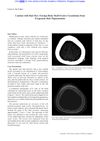
research Caution with Hair Dye: Foreign Body Skull Erosive Granuloma from Exogenous Hair Pigmentation
Hair dye can cause serious scalp issues, including skull erosion.

research Reversing Gray Hair: Inspiring the Development of New Therapies Through Research on Hair Pigmentation and Repigmentation Progress
Gray hair can potentially be reversed, leading to new treatments.
research 640 Exploring the synergic effects of a plant and a peptide on hair follicle pigmentation
The combination of a plant extract and a peptide can increase hair pigmentation and may reverse greying.
research Faculty Opinions recommendation of Dermal adipose tissue secretes HGF to promote human hair growth and pigmentation.
Fat tissue around hair follicles releases a growth factor that helps hair grow and develop color.

research 687 BMP signaling in the hair follicle stem cell niche regulates hair growth and skin pigmentation
BMP signaling controls hair growth and skin color.
research Cerebellar hypoplasia, hypergonadotrophic hypogonadism, retinitis pigmentosa, alopecia, microcephaly, psychomotor retardation, and short stature: “D-CHRAMPS syndrome”
"D-CHRAMPS syndrome" is a newly identified condition with multiple severe symptoms.
research SCAR DUE TO SULFUR MUSTARD GAS ON THIGH WITH CHERRYANGIOMAS, DECREASED HAIR GROWTH AND PIGMENTARYDISORDER: A CASE REPORT

research Efficacy of an agonist ofα-MSH, the palmitoyl tetrapeptide-20, in hair pigmentation
Palmitoyl tetrapeptide-20 may help reduce hair greying and increase melanin production.

research 6. Phototherapy, Photomedicine, and Pigmentary Disorders
Stopping certain drugs can improve skin conditions, arsenicosis affects over half of a Bangladeshi village, males are more vulnerable, and certain treatments are effective for warts, acne, and psoriasis. Smoking and drinking are linked to psoriasis in men, a cream helps with a type of skin cancer, and low iron levels don't directly cause chronic hair loss in women.

research The Hair Follicle as a Dynamic Miniorgan
Hair follicles are complex, dynamic mini-organs that help us understand cell growth, death, migration, and differentiation, as well as tissue regeneration and tumor biology.

research Growth of the Hair
Hair growth is cyclic and influenced mainly by local factors.

research Skin melanocytes: biology and development
The paper concludes that understanding melanocyte development can help in insights into skin diseases and melanoma diversity.

research The cutaneous serotoninergic/melatoninergic system: securing a place under the sun
Human skin can make serotonin and melatonin, which help protect and maintain it.

research The Rotterdam Study: 2016 objectives and design update
The Rotterdam Study found risk factors for elderly diseases, links between lifestyle and genetics with health conditions, and aimed to explore new areas like DNA methylation and sensory input effects on brain function.

research Sexual Hormones in Human Skin
Human skin makes sexual hormones that affect hair growth, skin health, and healing; too much can cause acne and hair loss, while treatments can manage these conditions.
research On the etiology of vitiligo and gray hair
Melanocytes are destroyed by factors needed for melanin production, causing vitiligo and gray hair.

research Guidelines for the management of vitiligo: the European Dermatology Forum consensus
Manage vitiligo with treatments, address emotions, and use camouflage techniques.

research Melatonin in the skin: synthesis, metabolism and functions
Melatonin in the skin helps protect against damage from stress and UV rays, and could be used to treat certain skin conditions.
research Towards a “free radical theory of graying”: melanocyte apoptosis in the aging human hair follicle is an indicator of oxidative stress induced tissue damage
Oxidative stress causes hair to gray by damaging and killing pigment cells.
research Dermatoses of pregnancy
Pregnancy can cause various skin changes and diseases, with PUPPP being the most common skin condition specific to pregnancy.

research Laser hair removal
Laser hair removal is the most requested cosmetic procedure and has become a scientifically-based treatment suitable for all skin types.

research Effects of Visible Light on the Skin†
Visible light can damage skin and most sunscreens don't block it well; more research is needed on its effects and protection methods.

research Alopecia Areata: A tissue specific autoimmune disease of the hair follicle
Alopecia areata is an autoimmune condition causing hair loss due to the immune system attacking hair follicles, often influenced by genetics and stress.
research Fundamental hair follicle biology and fine fibre production in animals
Hair follicle growth and fiber production in animals are influenced by chemical signals, proteins, pigmentation, genetics, and nutrients.

research Hair follicle stem cells: Walking the maze
Hair follicle stem cells are key for hair and skin regeneration, can be reprogrammed, and have potential therapeutic uses, but also carry a risk of cancer.
research Human dermal stem cells differentiate into functional epidermal melanocytes
Human dermal stem cells can become functional skin pigment cells.