 44 citations
,
April 2017 in “Genes & development”
44 citations
,
April 2017 in “Genes & development” Scientists found cells in hair that are key for growth and color.
 24 citations
,
August 2013 in “Facial Plastic Surgery Clinics of North America”
24 citations
,
August 2013 in “Facial Plastic Surgery Clinics of North America” SMP is a medical tattoo for hair loss, improving appearance and camouflaging scars, but requires skill and has limitations.
 15 citations
,
December 2007 in “Dermatologic Therapy”
15 citations
,
December 2007 in “Dermatologic Therapy” Hair transplantation has improved with techniques that increase graft survival and patient satisfaction for more natural results.
 11 citations
,
June 2005 in “Journal of Cosmetic Dermatology”
11 citations
,
June 2005 in “Journal of Cosmetic Dermatology” Lasers in hair transplantation show promise but are not yet standard, with current methods causing some side effects and needles still being preferred for creating recipient sites.
 6 citations
,
June 2013 in “British Journal of Dermatology”
6 citations
,
June 2013 in “British Journal of Dermatology” Intense pulsed light treatment mainly damages pigmented hair parts but spares stem cells, allowing hair to regrow.
 2 citations
,
May 2018 in “Australasian Journal of Dermatology”
2 citations
,
May 2018 in “Australasian Journal of Dermatology” Some patients' hair grew back black and white after chemotherapy.
 18 citations
,
October 2012 in “Dermatologic Clinics”
18 citations
,
October 2012 in “Dermatologic Clinics” Early diagnosis and aggressive treatment are key for managing rare scalp disorders that cause permanent hair loss.
 17 citations
,
August 2019 in “JAMA Facial Plastic Surgery”
17 citations
,
August 2019 in “JAMA Facial Plastic Surgery” Some men lost hair after deoxycholic acid treatment for neck fat, but most saw improvement or resolution.
 9 citations
,
January 2010 in “International Journal of Trichology”
9 citations
,
January 2010 in “International Journal of Trichology” The study found that the cause of alopecia areata can be identified through tissue analysis, and vertical sections are enough for diagnosis.
 1 citations
,
April 2021 in “The journal of investigative dermatology/Journal of investigative dermatology”
1 citations
,
April 2021 in “The journal of investigative dermatology/Journal of investigative dermatology” mTORC1 activity is important for hair growth and color, and targeting it could help treat hair loss and greying.
 1 citations
,
January 2021 in “Dermatology online journal”
1 citations
,
January 2021 in “Dermatology online journal” A unique case showed a rare combination of two types of lichen planus on the face.
 1 citations
,
July 2018 in “Journal of dermatology & cosmetology”
1 citations
,
July 2018 in “Journal of dermatology & cosmetology” Hyaluronic acid successfully treated skin atrophy caused by corticosteroid injections.
1 citations
,
August 1998 in “Pediatrics in review” Understanding cultural practices and skin reactions is crucial for diagnosing and treating skin conditions in children with dark skin.
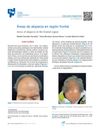 January 2025 in “Revista del Centro Dermatológico Pascua”
 Early diagnosis and treatment can help manage fibrosing alopecia in older women.
 November 2005 in “Journal of Investigative Dermatology Symposium Proceedings”
 The 2004 hair research meeting presented new findings on hair cell differentiation, genetic factors in hair loss, hair pigmentation, and potential targeted therapies.
 June 1995 in “Archives of Dermatology”
 A woman's hair loss was due to trichotillomania, which is often misdiagnosed and can require different treatments based on age and underlying conditions.
 September 2025 in “Annals of Plastic Surgery”
 Inverted follicular keratosis on the eyelid can be cured with surgery and has a great prognosis.
 29 citations
,
September 2014 in “American Journal of Dermatopathology”
29 citations
,
September 2014 in “American Journal of Dermatopathology” Horizontal sections of scalp biopsies are good for diagnosing Central Centrifugal Cicatricial Alopecia and help customize treatment.
 401 citations
,
January 2013 in “Postepy Dermatologii I Alergologii”
401 citations
,
January 2013 in “Postepy Dermatologii I Alergologii” The paper concludes that understanding melanocyte development can help in insights into skin diseases and melanoma diversity.
 236 citations
,
January 1951 in “Physiological zoology”
236 citations
,
January 1951 in “Physiological zoology” Hair growth and pigmentation in mice involve specific stages crucial for research.
 185 citations
,
August 2005 in “Autoimmunity Reviews”
185 citations
,
August 2005 in “Autoimmunity Reviews” Alopecia areata is an autoimmune condition causing hair loss due to the immune system attacking hair follicles, often influenced by genetics and stress.
 165 citations
,
June 2007 in “European Journal of Cell Biology”
165 citations
,
June 2007 in “European Journal of Cell Biology” Hair follicle stem cells are key for hair and skin regeneration, can be reprogrammed, and have potential therapeutic uses, but also carry a risk of cancer.
67 citations
,
July 2000 in “Proceedings of the National Academy of Sciences” The model accurately simulates human hair growth and hair loss patterns.
 66 citations
,
December 2014 in “Nature Communications”
66 citations
,
December 2014 in “Nature Communications” Fibroblasts can be turned into melanocytes for potential skin treatments.
 65 citations
,
November 2016 in “Journal of The American Academy of Dermatology”
65 citations
,
November 2016 in “Journal of The American Academy of Dermatology” The document concludes that early recognition and treatment of primary cicatricial alopecia is crucial to prevent permanent hair loss.
 43 citations
,
February 2008 in “Journal of cutaneous pathology”
43 citations
,
February 2008 in “Journal of cutaneous pathology” Melanocyte precursors in human fetal skin follow a specific migration pattern and some remain in the skin's deeper layers.
 42 citations
,
June 2009 in “Journal of Cosmetic Dermatology”
42 citations
,
June 2009 in “Journal of Cosmetic Dermatology” Hair loss in males involves inflammation, collagen buildup, and follicle damage, with severity increasing with age and baldness duration.
 41 citations
,
June 2013 in “PLOS ONE”
41 citations
,
June 2013 in “PLOS ONE” Engineered skin substitutes can grow hair but have limitations like missing sebaceous glands and hair not breaking through the skin naturally.
 31 citations
,
April 2019 in “Cell reports”
31 citations
,
April 2019 in “Cell reports” Patient-derived melanocytes can potentially treat vitiligo by restoring skin pigmentation.
 31 citations
,
October 2017 in “Dermatologic Surgery”
31 citations
,
October 2017 in “Dermatologic Surgery” Hair transplants look natural, but the best method is debated, and PRP shows promise for hair regrowth.