 12 citations
,
February 2008 in “Journal of The American Academy of Dermatology”
12 citations
,
February 2008 in “Journal of The American Academy of Dermatology” Combining skin tissue pathology with genetics has greatly improved the diagnosis and understanding of certain skin diseases.
 2 citations
,
November 1998 in “Journal of The European Academy of Dermatology and Venereology”
2 citations
,
November 1998 in “Journal of The European Academy of Dermatology and Venereology” Prednisone reduces organ mast cell infiltration but does not alter the abnormal appearance of mast cells in systemic mastocytosis.
 1 citations
,
May 2024 in “Cureus”
1 citations
,
May 2024 in “Cureus” Lichen planopilaris can unusually affect only the face, causing pigmentation and scarring.
 1 citations
,
March 2023 in “International Journal of Health and Pharmaceutical Medicine”
1 citations
,
March 2023 in “International Journal of Health and Pharmaceutical Medicine” Impaired skin barrier function worsens acne.
 1 citations
,
July 2019 in “Journal of the Dermatology Nurses' Association”
1 citations
,
July 2019 in “Journal of the Dermatology Nurses' Association” The author found the Dermatology Nurses’ Association’s annual meeting valuable for both learning and making friends.
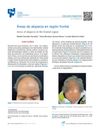 January 2025 in “Revista del Centro Dermatológico Pascua”
 Early diagnosis and treatment can help manage fibrosing alopecia in older women.
 February 2024 in “Journal of dermatology research reviews & reports”
 A 50-year-old woman with breast cancer developed an autoimmune skin disorder, highlighting the need for thorough checks and team-based treatment.
 January 2024 in “Dermatology practical & conceptual”
 Lymecycline may help with Frontal Fibrosing Alopecia but needs more research.
 March 2022 in “The Journal of Family Practice”
 Following treatment plans is crucial to prevent worsening skin and hair conditions.
 May 2009 in “Medical and surgical dermatology/Medical & surgical dermatology”
 Hair and nail conditions can stabilize or improve over time, and new treatments show promise.
 4 citations
,
January 2015 in “Türk Patoloji Dergisi”
4 citations
,
January 2015 in “Türk Patoloji Dergisi” Hormone imbalances from endocrine diseases can cause various skin conditions that help diagnose and treat these diseases early.
 291 citations
,
January 2014 in “The Scientific World Journal”
291 citations
,
January 2014 in “The Scientific World Journal” Lichen Planus is a less common condition affecting skin and mucous membranes, with various types and associated risk factors, challenging to diagnose, significantly impacts life quality, and may have a risk of cancerous changes in oral lesions.
 169 citations
,
August 2004 in “Baillière's best practice & research. Clinical obstetrics & gynaecology/Baillière's best practice and research in clinical obstetrics and gynaecology”
169 citations
,
August 2004 in “Baillière's best practice & research. Clinical obstetrics & gynaecology/Baillière's best practice and research in clinical obstetrics and gynaecology” Lower doses of treatments for hirsutism and acne in PCOS are effective and cause fewer side effects.
 141 citations
,
January 1984 in “Journal of The American Academy of Dermatology”
141 citations
,
January 1984 in “Journal of The American Academy of Dermatology” Pregnancy can cause skin darkening, varicose veins, more sweating, hair growth, hair loss after birth, nail changes, and gum inflammation.
 96 citations
,
January 1997 in “Clinics in Dermatology”
96 citations
,
January 1997 in “Clinics in Dermatology” Pregnancy can cause skin pigmentation, stretch marks, and changes in hair, nails, and sweat glands, with most resolving after birth.
 86 citations
,
October 2013 in “Dermatologic Clinics”
86 citations
,
October 2013 in “Dermatologic Clinics” Trichoscopy is a useful non-invasive method for diagnosing different hair loss conditions.
 58 citations
,
July 2007 in “Clinics in Dermatology”
58 citations
,
July 2007 in “Clinics in Dermatology” Tattooing helps treat skin conditions, reconstruct nipple-areola, mark radiation fields, and locate lesions.
 47 citations
,
January 2015 in “Dermatology”
47 citations
,
January 2015 in “Dermatology” The best way to treat acne is to prevent healthy skin glands from turning into acne lesions by controlling the triggers early on.
 47 citations
,
May 2002 in “Journal of Cutaneous Medicine and Surgery”
47 citations
,
May 2002 in “Journal of Cutaneous Medicine and Surgery” Pregnancy can cause normal skin changes that usually go away after childbirth and don't need treatment.
 43 citations
,
August 2013 in “Pediatric Dermatology”
43 citations
,
August 2013 in “Pediatric Dermatology” Trichoscopy is good for diagnosing and monitoring hair and scalp problems in children but needs more research for certain conditions.
 43 citations
,
November 2007 in “Dermatologic Clinics”
43 citations
,
November 2007 in “Dermatologic Clinics” Hair and nail changes can indicate health issues, including cancer and side effects from cancer treatments.
 39 citations
,
May 2004 in “Clinics in Dermatology”
39 citations
,
May 2004 in “Clinics in Dermatology” The document concludes that treatment for cutaneous T-cell lymphoma should be customized to each patient's disease stage, balancing benefits and side effects, with no cure but many patients living long lives.
 37 citations
,
October 2015 in “Anais Brasileiros de Dermatologia”
37 citations
,
October 2015 in “Anais Brasileiros de Dermatologia” Lichen planopilaris mostly affects women with fair skin and can look different on each person, needing early treatment to prevent hair loss.
 37 citations
,
May 1999 in “Australasian Journal of Dermatology”
37 citations
,
May 1999 in “Australasian Journal of Dermatology” Early diagnosis and treatment are crucial for preventing permanent hair loss in various scalp conditions, and while new treatments are promising, more research is needed to evaluate their effectiveness.
 36 citations
,
February 2004 in “International Journal of Dermatology”
36 citations
,
February 2004 in “International Journal of Dermatology” Different sports can cause specific skin conditions that need proper diagnosis and treatment.
 36 citations
,
April 1990 in “Dermatologic Clinics”
36 citations
,
April 1990 in “Dermatologic Clinics” Most pregnant women experience skin changes like darkening and stretch marks, and some may have skin conditions that usually get better after giving birth.
 35 citations
,
December 2014 in “Clinical Obstetrics and Gynecology”
35 citations
,
December 2014 in “Clinical Obstetrics and Gynecology” Most skin changes during pregnancy go away after giving birth.
 32 citations
,
August 2015 in “Anais Brasileiros de Dermatologia”
32 citations
,
August 2015 in “Anais Brasileiros de Dermatologia” Black women's unique hair characteristics and styling practices can lead to specific scalp conditions, which require early diagnosis and appropriate treatment.
 30 citations
,
June 2015 in “British Journal of Dermatology”
30 citations
,
June 2015 in “British Journal of Dermatology” Acne is common in women, often hormone-related, negatively affects quality of life, and requires various treatments.
 30 citations
,
January 2014 in “Dermatologic Clinics”
30 citations
,
January 2014 in “Dermatologic Clinics” Tight hairstyles, especially on chemically treated hair, can cause reversible hair loss if caught early but may become permanent if not addressed.