 January 2018 in “Springer eBooks”
 Cancer treatments targeting specific cells often cause skin, hair, and nail problems, affecting patients' lives and requiring careful management.
September 2017 in “Journal of Evidence Based Medicine and Healthcare” Eczema is the most common skin condition in children.
 August 2017 in “Journal of The American Academy of Dermatology”
 The book is a detailed and well-organized resource on skin conditions, useful for medical students and dermatologists.
 May 2017 in “Journal of The American Academy of Dermatology”
 Combining microneedling with Q-switched laser treatment for tattoo removal did not improve results and caused more pain.

SLC24A5 shows a clear selective sweep, but no link to UV radiation intensity.
 January 2017 in “Springer eBooks”
 The document concludes that Cutaneous Lupus Erythematosus has different forms, is influenced by genetic and environmental factors, and can be treated with various medications, but more targeted therapies are needed.
 January 2017 in “Acta dermato-venereologica”
 The congress showed that psychological therapy can help skin condition patients, social media affects acne stigma, education improves atopic dermatitis, and patient satisfaction in dermatology is high, especially with good doctor engagement.
January 2016 in “Georg Thieme Verlag eBooks” Understanding and careful application of dermabrasion and microdermabrasion can minimize risks and improve patient outcomes.
 September 2015 in “Actas Dermo-Sifiliográficas”
 People with advanced chronic kidney disease often have skin problems, which can be treated with various medications and procedures to improve their quality of life.
 January 2015 in “Indian Dermatology Online Journal”
 The patient's hair loss is most likely due to diffuse alopecia areata.
 March 2014 in “Institutional Repositories DataBase (IRDB)”
 Skin-derived stem cells could help treat skin aging and pigmentation issues.

Growing hair follicles from cultured cells could potentially treat baldness, but more research is needed.
 May 2012 in “Nature Genetics”
 Blond hair in Solomon Islanders is due to a unique genetic variant, not European ancestry.
A diet of collagen and vinegar improved hair growth and scalp health in women aged 40-60 more effectively than collagen alone.
March 2011 in “Pigment Cell & Melanoma Research” The Agouti gene influences pigmentation and may have a developmental role in deer mice.
The PI's development is closely linked to skin and hair pigmentation in macaques.
January 2005 in “Chinese Journal of Veterinary” Hairless mice lose hair by 3-4 weeks, develop thicker, folded skin, and show pigmentation differences.
 July 2004 in “Clinics in Dermatology”
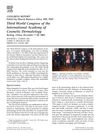
 The Third World Congress of the International Academy of Cosmetic Dermatology discussed various topics like hair disorders, skin conditions, wound healing, shampoo technology, acne treatment, and the use of lasers in dermatology.
January 2004 in “Banca y finanzas: Revista profesional de gestión financiera” Androgens increase pigmentation in certain hamster skin areas, but estrogens can reverse this effect.
January 2004 in “Linchuang pifuke zazhi” All-trans retinoic acid helps amelanotic melanocytes in hair follicles develop and produce pigment while reducing their growth.
January 2004 in “Linchuang pifuke zazhi” Black hairs have more pigment-related genes, while gray hairs have more keratin-related genes.

research TOC
September 2003 in “Clinics in Family Practice” The document lists dermatology topics across life stages and notes hair loss can affect self-esteem and early skin cancer treatment is crucial.
 May 2002 in “British Journal of Dermatology”
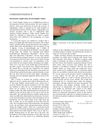
 A pregnant woman's skin condition improved after giving birth, possibly due to high estrogen levels during pregnancy.
 September 1999 in “The Journal of The British Menopause Society”
 The document concludes that skin aging in women can be caused by UV exposure and hormonal changes, and treatments like hormone replacement therapy and various skin therapies can help.
 January 1998 in “Journal of Dermatological Treatment”
 The document recommends all three dermatology books for a library, noting their detailed content but also suggesting improvements in clarity and consistency.
July 1996 in “Hair transplant forum international” Using tretinoin and hydroquinone can speed up the fading of skin pigmentation.
 June 1995 in “Archives of Dermatology”
 A woman's hair loss was due to trichotillomania, which is often misdiagnosed and can require different treatments based on age and underlying conditions.
July 1993 in “Journal of Radioanalytical and Nuclear Chemistry” Mouse hair element patterns vary, making it unreliable for tracking time.
 January 1961 in “The Journal of Anthropological Society of Nippon”
 Hair form in mixed-blood families varies due to hereditary twist-knots and pigment formation.
April 2023 in “Medizinische Genetik” Male-pattern hair loss is largely influenced by genetics, with key genes identified.