
The document showed detailed images of skin structures and discussed skin diseases and their diagnosis.
April 2015 in “The FASEB Journal” Nitrogen mustard causes DNA damage and structural changes in mouse skin hair follicles, but some recovery occurs after 5 days.
Isotretinoin effectively treats acne, often providing lasting relief.
 September 2013 in “Experimental Dermatology”
 The document concluded that stem cells are crucial for skin repair, regeneration, and may help in developing advanced skin substitutes.
 September 2011 in “American Journal of Clinical Dermatology”
 The birth control pill containing ethinylestradiol and chlormadinone may help treat acne and other skin and hair conditions related to hormones.
 November 2008 in “Medical Hypotheses”
 The conclusion suggests a new treatment for infantile hemangiomas and a potential target for hair loss treatment.
 November 2005 in “Journal of Investigative Dermatology Symposium Proceedings”
 The 2004 hair research meeting presented new findings on hair cell differentiation, genetic factors in hair loss, hair pigmentation, and potential targeted therapies.
January 2005 in “Journal of Cutaneous Pathology” A unique type of complex cyst was found on a man's scrotum.
October 2004 in “Emergency Medicine News” Carbuncles and other skin infections need specific treatments, and preventing nasal colonization can stop recurring infections.
 January 2025 in “Lasers in Medical Science”
 Combining fractional CO2 laser with topical dutasteride is more effective for treating male hair loss than using the laser alone.
 129 citations
,
January 2009 in “International Journal of Trichology”
129 citations
,
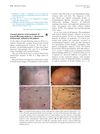
January 2009 in “International Journal of Trichology” Trichoscopy can diagnose female hair loss with high accuracy by looking for specific patterns in hair and scalp appearance.
 18 citations
,
June 2017 in “Journal of The American Academy of Dermatology”
18 citations
,
June 2017 in “Journal of The American Academy of Dermatology” Trichoscopy helps diagnose frontal fibrosing alopecia, even with unusual patterns.
 4 citations
,
February 2020 in “Journal of Cosmetic Dermatology”
4 citations
,
February 2020 in “Journal of Cosmetic Dermatology” Trichoscopy helps diagnose hairline recession causes in Egyptian women, with androgenetic alopecia being the most common.
25 citations
,
November 2015 in “Journal of Dermatological Science” Sebum helps protect human skin from microbes.
 78 citations
,
February 2011 in “Canadian Medical Association Journal”
78 citations
,
February 2011 in “Canadian Medical Association Journal” Acne treatment varies, with topical and systemic therapies effective, and more research needed on treatment order and long-term effects.
182 citations
,
January 2000 in “Drug Development Research” Ethosomal carriers improve drug delivery through the skin better than traditional methods.
27 citations
,
August 2016 Understanding skin structure and function is key to managing skin diseases and improving quality of life.
9 citations
,
December 2004 in “Archives of Pathology & Laboratory Medicine” The neck mass was a rare benign "wattle," surgically removed for diagnosis and appearance.
9 citations
,
April 1985 in “Canadian Journal of Zoology” Moose have unique interdigital glands with green hairs and larger glands during mating season.
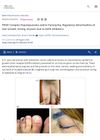
May 2026 in “International Journal of Dermatology” This type of alopecia areata shows limited hair regrowth and poor response to treatment.
 August 2025 in “JEADV Clinical Practice”
 PRIDE complex side effects from EGFR inhibitors can be managed without stopping treatment.
June 2012 in “Data Archiving and Networked Services (DANS)” Severe skin damage in children affects their health and social interactions.
Antiandrogen treatment helps reduce hair follicles and sebaceous glands in hirsute women.
57 citations
,
August 1999 in “Archives of dermatology” Hair follicles grow hair and release it through the skin.
14 citations
,
January 1998 in “Dermatology” Polythelia pilosa is a type of extra breast tissue with hair and should be classified as such.
21 citations
,
December 2007 in “Journal of Investigative Dermatology” Hair follicles evolved from oil glands, with hair aiding secretion transport.
January 1996 in “Springer eBooks” 5 citations
,
April 2019 in “DOAJ (DOAJ: Directory of Open Access Journals)” Stopping shaving or removing hair follicles usually resolves Pseudofolliculitis barbae.
66 citations
,
October 2003 in “Dermatologic clinics” Excision and laser techniques can effectively treat acne keloidalis nuchae.
January 2021 in “Digital Commons - PCOM (Philadelphia College of Osteopathic Medicine)” Sebaceous glands are essential for skin health but can contribute to conditions like acne and hair loss.