August 2004 in “Veterinary Dermatology” The red panda's hair loss was caused by an endocrine issue linked to ovarian tumors.
3 citations
,
January 2021 in “Veterinary dermatology” A litter of cats had a hair condition similar to a mouse mutation, leading to hair loss and abnormal hair and skin.
May 2025 in “VETERINARY SCIENCE TECHNOLOGIES OF ANIMAL HUSBANDRY AND NATURE MANAGEMENT” Poor-quality feed and low vitamin A cause reproductive issues in nutrias.
 August 2022 in “bioRxiv (Cold Spring Harbor Laboratory)”
 Mouse touch-sensitive nerve cells adjust their connections based on competition with other similar cells.
1 citations
,
October 2020 in “International Journal of Zoology and Animal Biology” A golden lion tamarin had Cushing's disease due to a pituitary tumor, leading to its euthanasia.
Hair follicles supply a crucial brain development protein to the brain via platelets.
 March 2026 in “Trends in Sciences”
 A mouse model was created to study hair loss similar to humans.
 May 2019 in “Small Animal Dermatology”
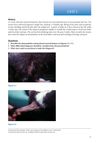
 The cat had a rare condition linked to cancer, leading to its euthanasia.
December 2019 in “한국동물매개심리치료학회지” Nut extracts promote hair growth in mice.
2 citations
,
January 2025 in “Development” BMP5 is essential for ear cartilage cell growth in rodents.
December 2016 in “The journal of investigative dermatology/Journal of investigative dermatology” Hedgehog signaling controls hair follicle development and can affect skin cancer growth.
 December 2023 in “Journal of nutritional science and vitaminology”
 A zinc-deficient diet stunted growth and affected organs in mice, with C57BL/6J mice showing more severe symptoms.
 1 citations
,
March 2012 in “Revue neurologique”
1 citations
,
March 2012 in “Revue neurologique” Proper diet management is crucial for preventing severe symptoms in phenylketonuria.
January 2003 in “Zhonghua shiyan waike zazhi” Androgen increases VEGF expression but not VEGFR-2 in rat corpus cavernous.
 231 citations
,
October 1999 in “Journal of Clinical Investigation”
231 citations
,
October 1999 in “Journal of Clinical Investigation” Activating the Sonic hedgehog gene in mice can start the hair growth phase.
7 citations
,
October 1988 in “Clinics in Dermatology” Minoxidil can promote hair growth in hairless mice.
25 citations
,
April 1941 in “Experimental biology and medicine” Pantothenic acid and inositol are essential to prevent hair loss in mice.
44 citations
,
June 1967 in “The journal of nutrition/The Journal of nutrition” Lack of essential fatty acids in diet causes reproductive issues and poor health in male rabbits.
December 2022 in “Biochemical and Biophysical Research Communications” HtrA2 activity is crucial for normal hair growth by regulating fat cell development.
September 2017 in “The journal of investigative dermatology/Journal of investigative dermatology” N-acetyl-GED may help prevent and partially reverse a process that leads to scarring hair loss.
180 citations
,
June 2004 in “Journal of Pharmacology and Experimental Therapeutics” Progesterone's seizure-reducing effects are mainly due to allopregnanolone, not progesterone receptors.
11 citations
,
February 1982 in “Mutation Research/Fundamental and Molecular Mechanisms of Mutagenesis” A new method can detect mutations in mice by observing changes in hair follicle cells.
January 2004 in “中国组织化学与细胞化学杂志”  245 citations
,
January 1998 in “Genes & Development”
245 citations
,
January 1998 in “Genes & Development” Hoxc13 gene is essential for hair, nail, and papilla development.
 25 citations
,
September 1998 in “The Journal of Steroid Biochemistry and Molecular Biology”
25 citations
,
September 1998 in “The Journal of Steroid Biochemistry and Molecular Biology” Finasteride inhibits enzyme activity in rhesus macaques, suggesting they're useful for evaluating similar drugs.
 37 citations
,
April 2010 in “FEBS Letters”
37 citations
,
April 2010 in “FEBS Letters” The study concludes that the EDA2R gene is activated by p53 during chemotherapy but is not necessary for chemotherapy-induced hair loss.
21 citations
,
September 1966 in “Toxicology and Applied Pharmacology” Caffeine becomes more toxic in rats when food intake is reduced by over 50%.
12 citations
,
February 1986 in “PubMed” Injecting newborn mice with a niacin blocker caused skin, gut, and brain damage similar to human pellagra.
 16 citations
,
April 2018 in “Animal Genetics”
16 citations
,
April 2018 in “Animal Genetics” Researchers found two genes that may explain why some Casertana pigs don't have hair.
March 2025 in “Multidisciplinary Science Journal” Sonic hedgehog (Shh) is crucial for gecko tail regeneration.