1 citations
,
November 2025 in “Science Advances” Two gene variants cause white spots in cattle.
 42 citations
,
May 2013 in “Oral Diseases”
42 citations
,
May 2013 in “Oral Diseases” Kennedy's disease leads to muscle weakness without a cure, but exercise and managing symptoms may help patients live a normal lifespan.
1 citations
,
October 2024 in “Canine Medicine and Genetics” The MLPH gene is not linked to seasonal hair loss in Rhodesian Ridgeback dogs.
29 citations
,
July 2015 in “Journal of Medical Genetics” A genetic variant in the KRT25 gene causes tightly curled hair.
 1 citations
,
November 2019 in “Damanhour Journal of Veterinary Sciences”
1 citations
,
November 2019 in “Damanhour Journal of Veterinary Sciences” Nutritional deficiencies in cows lead to health issues like poor coat, low fertility, and reduced productivity.
Mutations in specific genes cause different types of ectodermal dysplasias.
16 citations
,
January 2019 in “Aging” Lack of functional CYLD in mice leads to early aging and cancer.
13 citations
,
July 2016 in “Indian Journal of Dermatology” DPR can show different hair characteristics, as seen in two brothers with normal hair.
February 1990 in “Pathology, research and practice” PCS rats show significant inner ear damage and zinc deficiency, similar to liver cirrhosis patients.
7 citations
,
August 2017 in “Genetic testing and molecular biomarkers” A new mutation in the FLCN gene linked to Birt-Hogg-Dube syndrome was found, suggesting people with certain lung collapse should be tested for this mutation and screened for kidney and colon cancer.
34 citations
,
September 2010 in “Clinical and Experimental Dermatology” A new gene mutation linked to KID syndrome was found, expanding genetic knowledge.
June 2026 in “Journal of Advances in Biology & Biotechnology” Canine demodicosis causes skin issues, anemia, and mineral deficiencies in dogs.
53 citations
,
July 2002 in “Journal of Investigative Dermatology” The Dfl mutation in mice causes poor sebaceous gland function and complete hair loss.
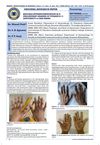 July 2021 in “PARIPEX INDIAN JOURNAL OF RESEARCH”
 Knuckle darkening can be an early sign of vitamin B12 deficiency.
110 citations
,
November 1984 in “The American Journal of Medicine” A genetic defect in vitamin D receptors causes severe rickets and hair loss in children, but some heal as they age.
 13 citations
,
September 2011 in “Archives of dermatology”
13 citations
,
September 2011 in “Archives of dermatology” A patient with steroid sulfatase deficiency had a unique hair pattern and a brain malformation not previously linked to the condition.
June 2005 in “Journal of Investigative Dermatology” A bull with a gene mutation was asymptomatic, synthetic retinoids cause hair loss, and new therapeutic targets were identified for skin diseases.
 20 citations
,
July 2013 in “European Journal of Oral Sciences”
20 citations
,
July 2013 in “European Journal of Oral Sciences” A new PAX9 gene mutation causes missing teeth and hair problems, but not skin or nail issues.
9 citations
,
December 1987 in “Archives of Dermatology” Two genetic disorders affect biotin metabolism, causing severe skin, hair, and metabolic issues.
 13 citations
,
April 2018 in “Scientific Reports”
13 citations
,
April 2018 in “Scientific Reports” The genes KRT25 and SP6 affect curly hair in horses, with KRT25 also causing hair loss. If both genes are mutated, the horse gets curly hair and hair loss. KRT25 can hide the effect of SP6.
April 2014 in “The FASEB Journal” Iron deficiency in mothers causes hair loss in their baby mice.
175 citations
,
September 1998 in “British Journal of Dermatology” Keratin 17 gene mutations cause both steatocystoma multiplex and pachyonychia congenita type 2.
7 citations
,
February 2019 in “Veterinary medicine and science” An American Bully with a genetic skin condition improved significantly with specific topical treatments.
50 citations
,
May 1985 in “The journal of pediatrics/The Journal of pediatrics” Biotin deficiency in patients on total parenteral nutrition can cause serious symptoms but can be treated with biotin supplements.
 January 2023 in “PARIPEX INDIAN JOURNAL OF RESEARCH”
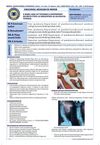
 Vitamin D Dependent Rickets Type-2A can cause complete hair loss and bone growth issues in infants.
 December 2023 in “American journal of medical genetics. Part A”
 A new syndrome was linked to two new genetic changes in the MBTPS1 gene in a 14-year-old girl.
21 citations
,
May 2019 in “Pediatrics in review” People with primary immunodeficiencies often have frequent, severe, or unusual infections and may need special tests and management strategies.
May 2024 in “The Journal of Immunology” Alopecia Areata can develop without perforin-mediated cytolysis.
 May 2024 in “Animal genetics”
 A cat's poor wound healing was linked to a genetic deletion in the COL5A1 gene.
2 citations
,
January 1989 Tay syndrome is a unique genetic disorder causing skin, hair, and developmental issues.